Counting the waves…
Counting the waves…

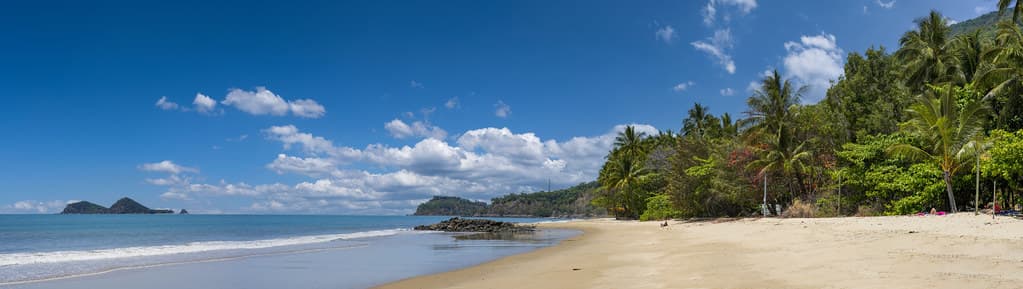
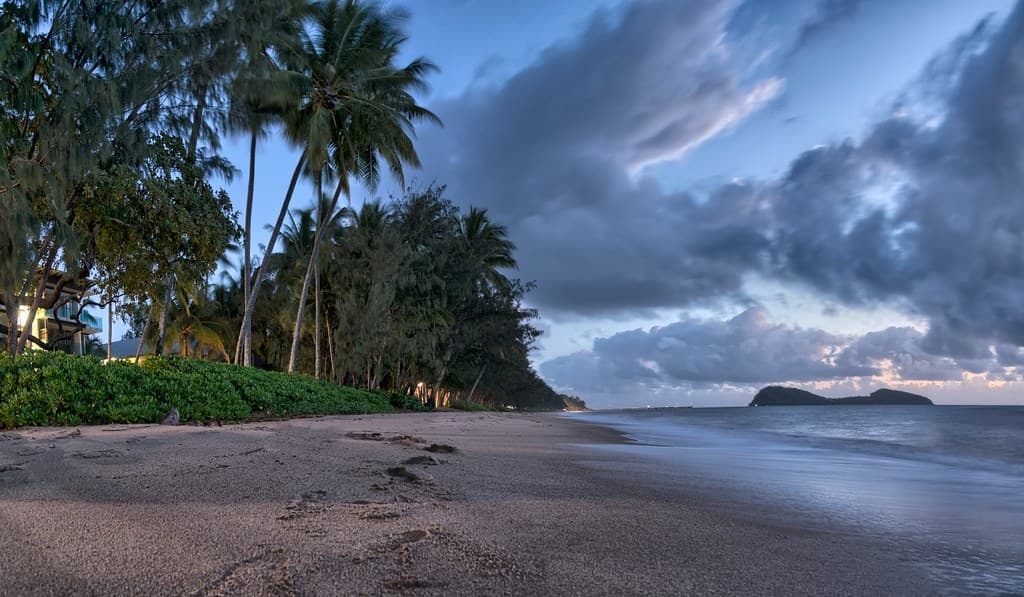
You step from the car park onto sand the color of raw sugar, and the first thing you notice is the quiet. No hawkers, no jet skis—just the gentle percussion of wavelets folding onto the shore and the occasional cry of a sea eagle circling overhead. Kewarra Beach stretches in a gentle crescent, bordered by she-oaks and fan palms, their shadows lengthening across the sand as the afternoon wears on. The water here is shallow and placid, sheltered by the Great Barrier Reef lying offshore, so children wade out past their knees without a ripple of concern. Local families claim their usual patches beneath the casuarinas, setting out eskies filled with mango and cold prawns. You spread your towel, feel the warmth radiating up through the grains, and watch a heron pick its way along the tideline. There's a single patrol tower, lifeguards keeping a lazy eye on the handful of swimmers drifting in the bath-warm shallows. Behind you, a grassed reserve with picnic tables and a playground hums with the low chatter of weekend barbecues. By late afternoon, the sky softens to apricot and the sea turns molten. You walk the strand barefoot, collecting fragments of coral rubbed smooth by the tide, and realize you haven't checked your phone in hours. Kewarra doesn't shout for attention—it simply unfolds, unhurried and unadorned, a pocket of the Coral Sea coast that still belongs to those who know where to look.
Places, rentals, tours and events within walking and driving distance of Kewarra Beach.
Photos
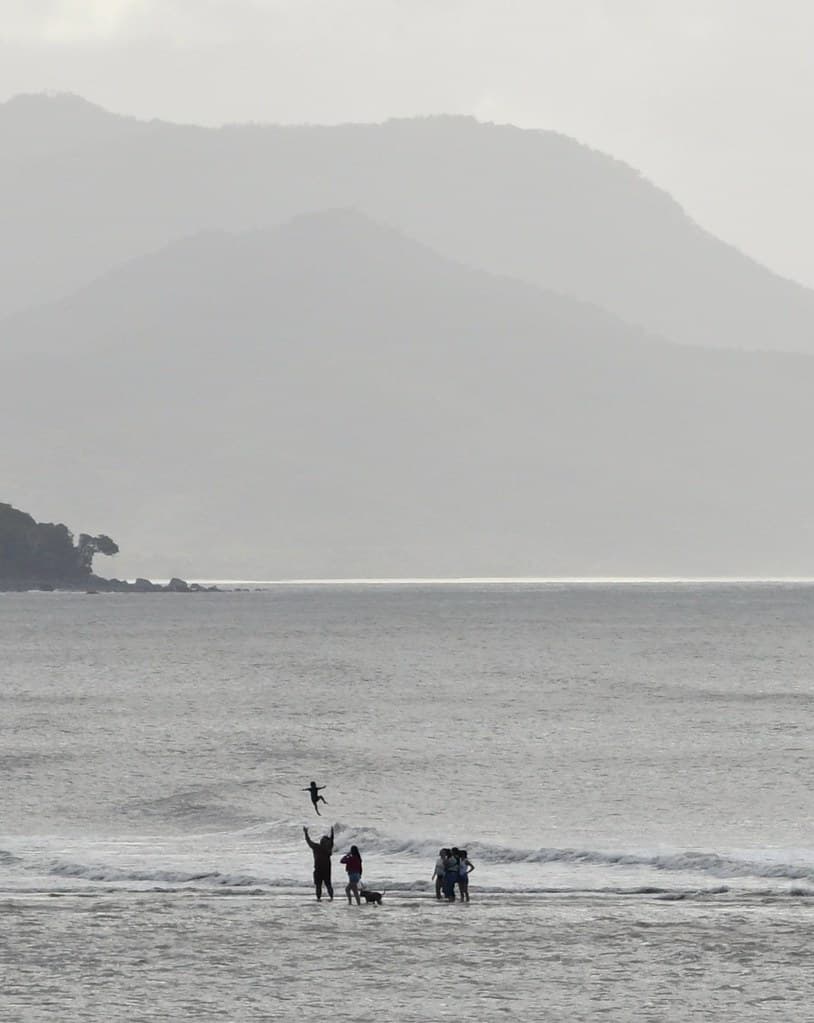
Kewarra Beach is generally safe for swimming, though conditions vary with seasons and weather. The beach is patrolled during peak tourist season, but not year-round, so always check local conditions before entering the water. During November to May, marine stingers (jellyfish) are present in tropical Queensland waters, so wear protective stinger suits. The beach features a calm, sheltered bay with gentle waves, making it suitable for families. Always swim between the flags when lifeguards are present and be mindful of currents, especially during changing tides.
Kewarra Beach can be visited year-round, with each season offering different experiences. The dry season (May to October) brings sunny days, lower humidity, and comfortable temperatures of 20-28°C, ideal for beach activities. The wet season (November to April) is warmer and more humid with occasional tropical downpours, but you'll find fewer crowds and lush surroundings. Winter months (June-August) offer perfect conditions for swimming and sunbathing. Keep in mind that stinger season runs November to May, requiring protective swimwear for ocean swimming.
Kewarra Beach is located approximately 20 minutes north of Cairns and 15 minutes south of Port Douglas along the Captain Cook Highway. The beach is easily accessible by car via Kewarra Street, which runs off the highway. Free parking is available at the beachfront, with a small car park near the main access point. The area is also serviced by local bus routes connecting Cairns and Port Douglas. Once parked, it's a short walk through coastal vegetation to reach the sandy beach and shoreline.
Kewarra Beach has limited on-site amenities, maintaining its quiet, unspoiled character. You'll find basic facilities including public toilets and picnic tables near the beach access. For dining, the upscale Kewarra Beach Resort offers restaurant options, though there are few casual eateries directly on the beach. The nearby suburb has a small shopping village with a café and convenience store. For more extensive dining and shopping options, Port Douglas (15 minutes north) and Cairns (20 minutes south) offer numerous restaurants, supermarkets, and accommodation choices ranging from budget to luxury resorts.
Kewarra Beach stands out for its peaceful, uncrowded atmosphere compared to the busier Four Mile Beach in Port Douglas. This 1.5-kilometre stretch of golden sand is backed by swaying palm trees and coastal casuarinas, offering a more intimate tropical experience. The beach remains largely undeveloped, with residential properties and low-rise accommodation preserving its natural character. It's particularly popular with locals and visitors seeking tranquility, making it ideal for long beach walks, sunset watching, and relaxation away from tourist crowds. The calm, sheltered waters also make it especially family-friendly.