Counting the waves…
Counting the waves…

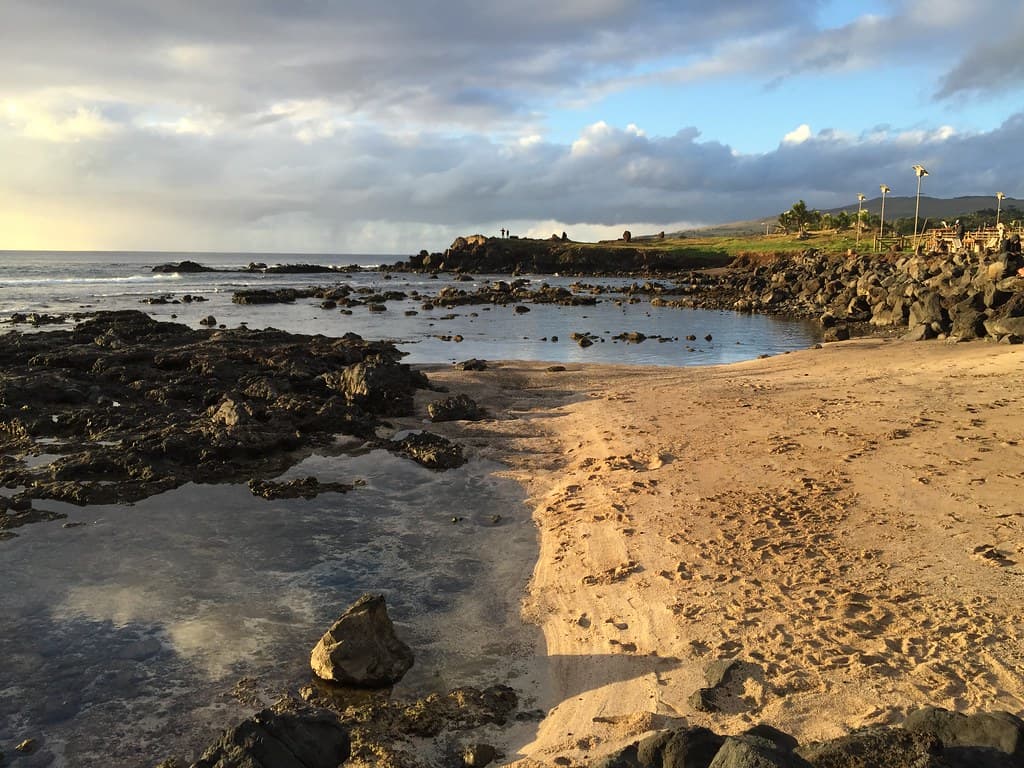
Little Cove Beach announces itself with a wooden staircase that drops through she-oak trees, their needle-like leaves whispering in the trade winds. By the time your feet hit sand, the hum of Wharf Street has vanished, replaced by the rhythmic slap of wavelets against granite. The beach measures barely sixty meters across, hemmed in by lichen-splashed boulders that glow rust-orange in afternoon light. Most mornings you'll share the cove with perhaps three other souls—retirees doing slow laps in the bathwater-warm shallows, a photographer crouched at the tide line waiting for the right slant of sun. The seabed here is a patchwork of sand and coral rubble, home to parrotfish that crunch loudly enough to hear from shore. Bring reef shoes; the entry is forgiving, but scattered rock makes barefoot wading a careful dance. By late afternoon, shadows from the southern headland creep across the water, turning it from turquoise to pewter. The cove empties entirely. This is when you understand why locals guard this place quietly—not because it's difficult to find, but because its smallness demands a kind of reverence. There's no kiosk, no rental stand, no lifeguard tower. Just sand, stone, and the patient work of waves.
Places, rentals, tours and events within walking and driving distance of Little Cove Beach.
Photos
Little Cove Beach is generally safe for swimming, with calm, sheltered waters protected by headlands on both sides. The beach is patrolled during peak tourist season, and the gentle conditions make it suitable for families and less confident swimmers. However, always check local conditions before entering the water, swim between the flags when lifeguards are present, and be aware that stingers (jellyfish) can be present during the wet season (November to May), so consider wearing a stinger suit during these months.
Little Cove Beach can be enjoyed year-round, though the dry season (May to October) offers the most consistently pleasant weather with lower humidity, minimal rainfall, and comfortable temperatures around 20-28°C. The wet season (November to April) brings warmer temperatures and occasional tropical showers, but mornings are often clear. For fewer crowds, visit on weekdays or during shoulder seasons (April-May or September-October). Early mornings provide the best chance for solitude and wildlife spotting along the surrounding walking tracks.
Little Cove Beach is located just a few minutes from Port Douglas town centre. From Macrossan Street, head north along Wharf Street, which becomes Port Douglas Road. Limited street parking is available along Island Point Road near the beach entrance. During peak times, parking fills quickly, so consider walking or cycling from town (approximately 15-20 minutes on foot). There's a short walking track from the car park down to the beach through tropical vegetation, making it easily accessible for most visitors.
Little Cove Beach has minimal facilities, with no cafes or kiosks directly at the beach, maintaining its secluded character. Basic amenities include a small grassy area for picnics but limited shade. For food and drinks, head back to Port Douglas town centre (1-2 km away), where you'll find numerous cafes, restaurants, and supermarkets along Macrossan Street. Accommodation options range from luxury resorts to budget motels throughout Port Douglas. It's advisable to bring your own water, snacks, and sun protection when visiting Little Cove.
Little Cove Beach remains quieter than Port Douglas's main Four Mile Beach due to its smaller size, limited parking, and slightly less convenient access requiring a short walk from the road. Its compact sandy area and lack of beachfront facilities mean it appeals primarily to locals and travellers seeking tranquility rather than those wanting full beach amenities. The intimate cove setting, surrounded by rocky headlands and rainforest, creates a more private atmosphere perfect for relaxation, snorkelling, and escaping the busier tourist areas of Port Douglas.