Counting the waves…
Counting the waves…

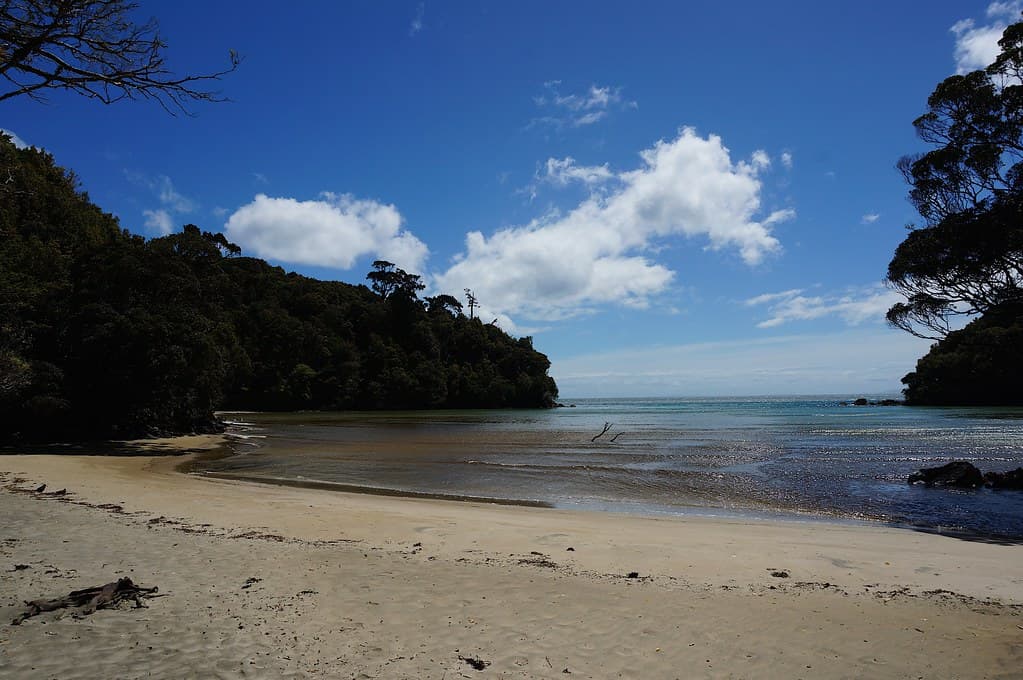
The drive into Port Stewart follows red dirt tracks that wind through scrub and eucalypt, opening suddenly onto a bay so still it mirrors the sky. You park beside a weathered boat ramp, and the beach unfolds in a long, gentle curve—ochre sand stippled with tidal pools, ribbons of seagrass drying in the sun, fragments of shell worn smooth by the Gulf's patient currents. The water here is shallow and warm, the colour of weak tea steeped with tannins from upstream mangroves. Birdwatchers arrive at dawn with binoculars and notebooks, scanning the mudflats for eastern curlews and bar-tailed godwits resting between epic migrations. You'll see their tracks stitched across the sand—delicate, purposeful—alongside your own. The bay itself feels caught between worlds: neither fully land nor sea, but a liminal zone where the tides dictate everything and time moves differently. There are no cafés, no lifeguard towers, no beach umbrellas planted in rows. What you get instead is space—to wade knee-deep at low tide, to watch clouds build over the water, to sit on driftwood bleached silver by salt and sun. By late afternoon, the light turns golden, pooling in the shallows, and you understand why some beaches don't need amenities to feel complete.
Places, rentals, tours and events within walking and driving distance of Port Stewart Bay Beach.
Photos
Port Stewart Bay Beach is generally calm and suitable for swimming, though conditions vary with tides and weather. As with most remote Queensland beaches, be aware of potential marine stingers during summer months (November-May) and always swim during daylight hours. There are no lifeguard patrols or stinger nets, so swimming is at your own risk. Check local conditions before entering the water, watch for signs, and avoid swimming alone. The secluded nature means help may not be immediately available in emergencies.
Port Stewart Bay Beach can be visited year-round, with each season offering different advantages. The dry season (May-October) typically provides the most comfortable weather with lower humidity and minimal rainfall, ideal for beach activities and birdwatching. Summer months bring warmer waters but higher humidity and occasional tropical storms. Early mornings offer the best lighting for photography and wildlife observation, while the calm conditions make it perfect for peaceful beach walks throughout the year.
Port Stewart Bay Beach is located in the remote community of Port Stewart in Far North Queensland. Access typically requires a four-wheel-drive vehicle, especially during wet season. The beach is reached via unsealed roads from nearby towns. Due to its secluded location, formal parking facilities are limited or non-existent. Visitors should be self-sufficient, carry supplies, and inform someone of travel plans. Check road conditions before traveling and ensure your vehicle is suitable for remote coastal driving.
Port Stewart is a very small, remote community with extremely limited facilities. Don't expect restaurants, shops, or commercial accommodation directly at or near the beach. Visitors should bring all necessary supplies, food, and water from larger towns before arriving. The nearest towns with full services may be considerable distances away. Camping may be possible in designated areas, but facilities will be basic at best. Plan as a self-sufficient day trip or bring complete camping equipment if staying overnight.
Port Stewart Bay Beach's secluded location makes it excellent for birdwatching, though specific species vary seasonally. Coastal Queensland beaches typically attract shorebirds, seabirds, and waders including terns, oystercatchers, and various migratory species. Early morning and late afternoon offer the best viewing opportunities when birds are most active. Bring binoculars and a field guide to identify species. The undisturbed habitat increases chances of rare sightings, but remember to observe from a respectful distance to avoid disturbing nesting or feeding birds.