Counting the waves…
Counting the waves…

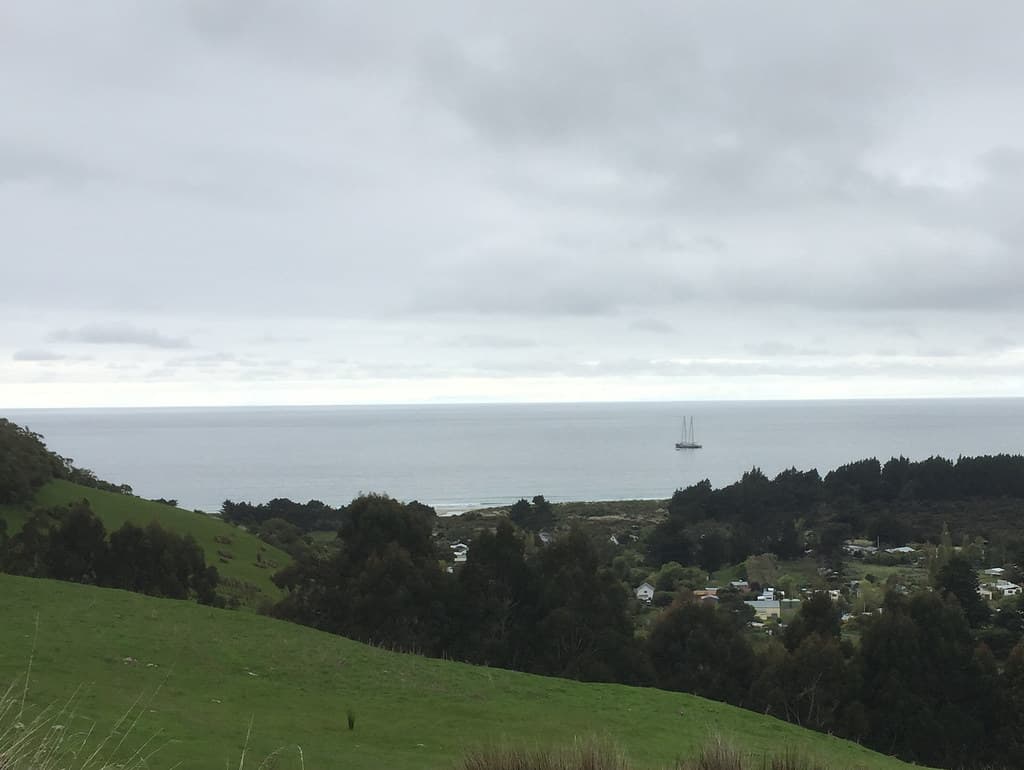
The drive to Stewart River Mouth Beach is half the story: corrugated dirt through spinifex plains, past termite mounds tall as grown men, until the Gulf Coast opens before you in shades of ochre and blue. The beach itself stretches wide and empty, its sand compacted firm enough to walk barefoot for kilometers. Where the Stewart River meets saltwater, the current churns chocolate-brown against the pale turquoise gulf, creating swirls visible from shore. Mangrove thickets press in from both sides, their prop roots exposed at low tide like gnarled fingers testing the mud. Birdlife thrives here—jabirus stalk the shallows, cormorants dry their wings on bleached driftwood, and at dawn, flocks of magpie geese lift from the wetlands in honking clouds. The air tastes of salt and river silt, a mineral tang that clings to your skin in the humidity. This is Cape York's Gulf side, far removed from the postcard beaches that crowd Australia's eastern seaboard. No surf shops, no lifeguard towers, no footprints but yours and whatever dingo passed through at first light. The isolation demands respect—check tides, watch for crocodiles in the brackish water, carry plenty of drinking water. What you get in return is a beach that feels genuinely discovered, a place where the land still dictates the terms.
Places, rentals, tours and events within walking and driving distance of Stewart River Mouth Beach.
Photos
Swimming at river mouth beaches in tropical Queensland requires caution. River mouths can have unpredictable currents, murky water, and varying depths due to shifting sandbars. During the wet season (November-April), strong currents and freshwater runoff increase hazards. Saltwater crocodiles inhabit Gulf waters and river systems in this region, so swimming is generally not recommended. There are no lifeguards or safety patrols at this remote location. If you do enter the water, stay close to shore, avoid dawn and dusk, and always check local conditions and wildlife warnings first.
The dry season (May-October) offers the most comfortable conditions for visiting Stewart River Mouth Beach, with lower humidity, minimal rainfall, and pleasant temperatures averaging 20-30°C. This period provides easier access via unsealed roads and better beach conditions. The wet season (November-April) brings intense heat, high humidity, heavy rainfall, and potential flooding that may make roads impassable. However, the landscape is greener and more dramatic after rains. Year-round, mornings offer cooler temperatures and calmer conditions than midday, making them ideal for beach walks and photography.
Stewart River Mouth Beach is accessed via Port Stewart, a small settlement in the remote Gulf Country. From Normanton (the nearest town), take the Gulf Developmental Road and local access roads—some may be unsealed and require a 4WD, especially during wet season. The journey involves navigating outback conditions with limited signage. Parking facilities are basic or non-existent; visitors typically park near beach access points on cleared ground. Always check road conditions before travelling, carry essential supplies, and inform someone of your plans when visiting this isolated location.
Port Stewart is an extremely remote settlement with very limited services. Visitors should not expect commercial amenities, restaurants, or shops at the beach itself. Normanton, approximately 70km away, is the nearest town with fuel, groceries, accommodation, and dining options. If staying overnight, camping may be possible in the area, but facilities are basic to non-existent. Essential items—water, food, fuel, first aid supplies—must be brought with you. Plan as a self-sufficient expedition. Always research current conditions and available services before travelling to this isolated Gulf region.
The Stewart River mouth and surrounding Gulf coastline support diverse wildlife typical of northern Australia's tropical estuaries. Birdwatchers may spot migratory shorebirds, herons, egrets, and jabirus, particularly during dry season. Saltwater crocodiles inhabit these waters and should be assumed present at all times—maintain vigilance and distance from the water's edge. Fish species in the river mouth attract anglers seeking barramundi and other tropical species. During certain seasons, sea turtles may be observed offshore. Always observe wildlife from a safe distance and never approach or feed any animals.