Counting the waves…
Counting the waves…

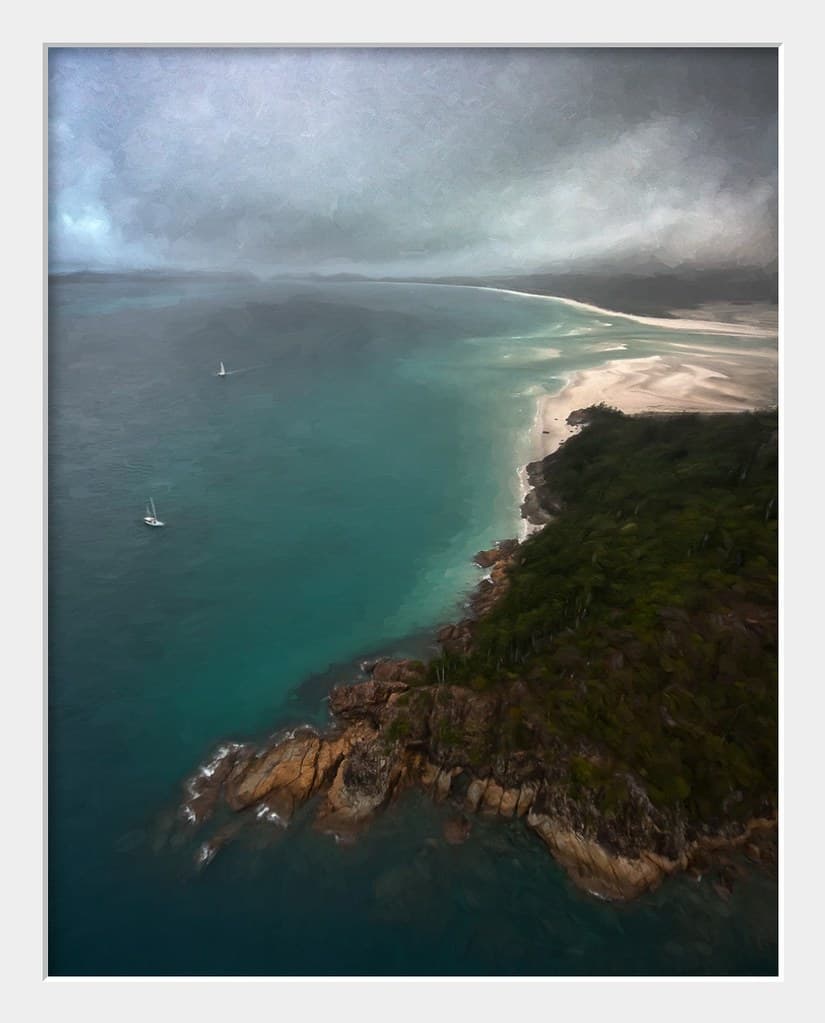
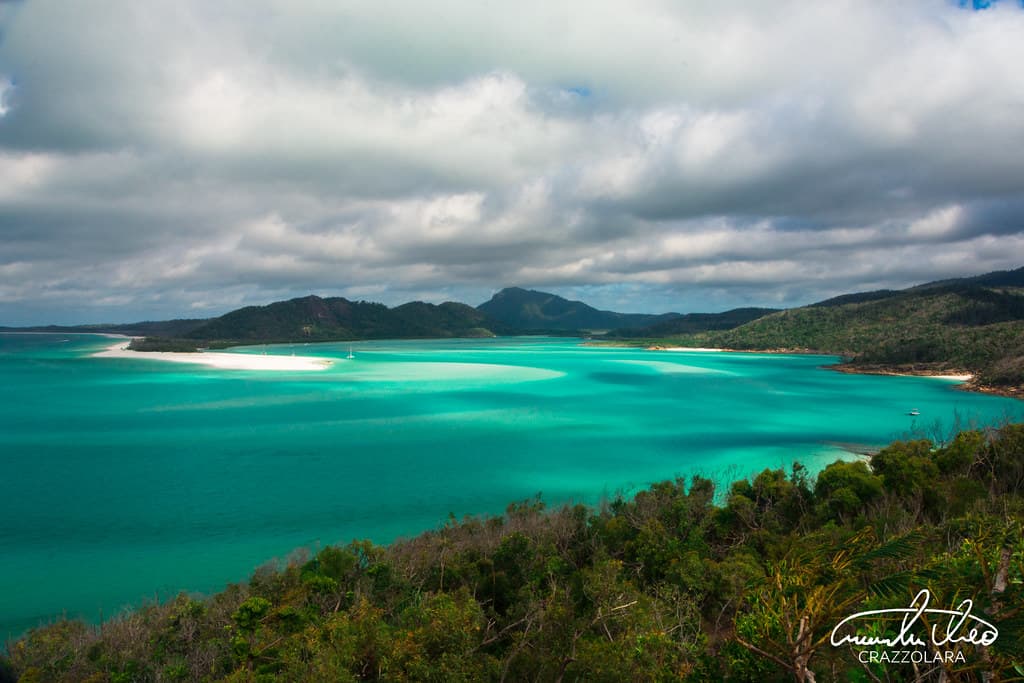
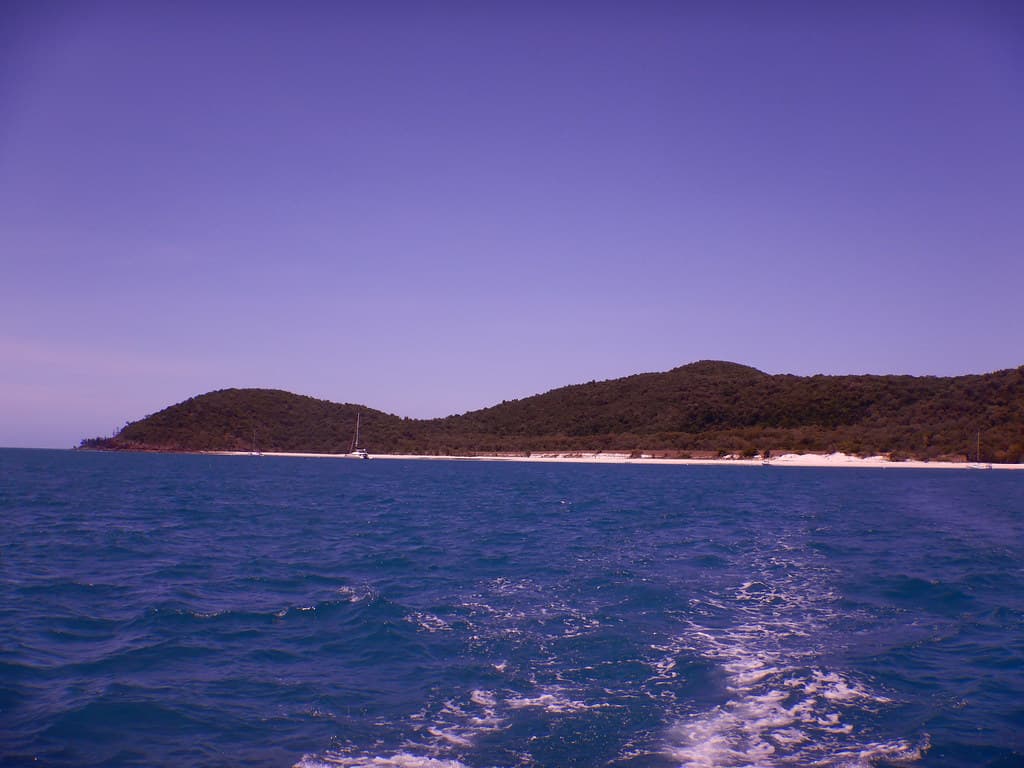
Betty's Beach sits on the less-trafficked northern edge of Whitsunday Island, a counterpoint to the crowds that flock to Whitehaven's seven-kilometer stretch. The silica content here is just as high—around 98 percent—which means the sand doesn't retain heat and produces that characteristic squeak when you walk across it. Coral outcroppings dot the shallows near the beach's eastern end, and at low tide you can wade out fifty meters before the seafloor drops away into deeper channels where the water darkens to indigo. Most boats anchor offshore and tender passengers in, so mornings bring the fewest people—usually just one or two small tour groups between nine and eleven. The beach faces northeast, which means afternoon sun lights up the water in layers: pale green over the sand flats, deeper teal where the reef begins, then that unmistakable Whitsunday blue farther out. Pandanus palms and she-oak trees edge the high-tide line, offering scattered shade but not the dense canopy you'd find on the mainland. The swim here stays calm except during strong southeasterlies, when chop can push through the outer islands. Pack reef-safe sunscreen—the Marine Park Authority enforces strict protections—and bring your own drinking water. There are no facilities, no kiosks, no beach hires. Just sand, sea, and the occasional white-bellied sea eagle circling overhead.
Places, rentals, tours and events within walking and driving distance of Betty's Beach.
Photos
Betty's Beach on Whitsunday Island offers generally calm swimming conditions, though caution is always advised. As with most Whitsunday beaches, marine stingers (jellyfish) are present during summer months (November-May), so wearing a stinger suit is recommended. Check current conditions with your tour operator before swimming. The beach is relatively sheltered, making it suitable for most swimmers. Always swim during daylight hours and be aware of your surroundings, as there are no lifeguards on duty at this remote location.
Betty's Beach can be visited year-round, with each season offering different advantages. The dry season (May-October) provides the most comfortable weather with lower humidity, minimal rain, and no marine stingers, making it ideal for swimming. Water temperatures remain pleasant throughout the year, ranging from 23-28°C. The wet season (November-April) brings warmer weather and occasional tropical showers, but also requires stinger suits for swimming. For optimal conditions and fewer crowds, consider visiting during shoulder seasons in April-May or September-October.
Betty's Beach is accessible only by boat, as Whitsunday Island is uninhabited and has no road access or parking facilities. Most visitors reach the beach through organized day tours or multi-day sailing trips departing from Airlie Beach or Hamilton Island. Private yacht charters and bareboat rentals also provide access for experienced sailors. The journey typically takes 1-2 hours depending on your departure point and sea conditions. Some tours combine Betty's Beach with visits to other Whitsunday attractions like Whitehaven Beach, making it part of a broader island-hopping experience.
Betty's Beach has no facilities, amenities, or food services, as Whitsunday Island is a protected national park with no development. Visitors must bring all necessary supplies, including water, food, sun protection, and any beach equipment. There are no toilets, showers, or shelter structures on the beach. Most tour operators provide lunch, drinks, and snorkeling equipment as part of their packages. The nearest accommodation and restaurants are located on Hamilton Island or in Airlie Beach on the mainland, requiring a boat journey to reach.
Betty's Beach offers a more secluded, intimate experience compared to the famous Whitehaven Beach. While Whitehaven attracts hundreds of daily visitors with its iconic white silica sand, Betty's Beach receives far fewer tourists, providing a quieter atmosphere for those seeking solitude. The beach is smaller and less photographed, making it feel like a hidden gem within the Whitsundays. It's particularly popular with couples and visitors looking to escape crowds while still enjoying pristine island scenery, crystal-clear waters, and excellent snorkeling opportunities in a more private setting.