Counting the waves…
Counting the waves…

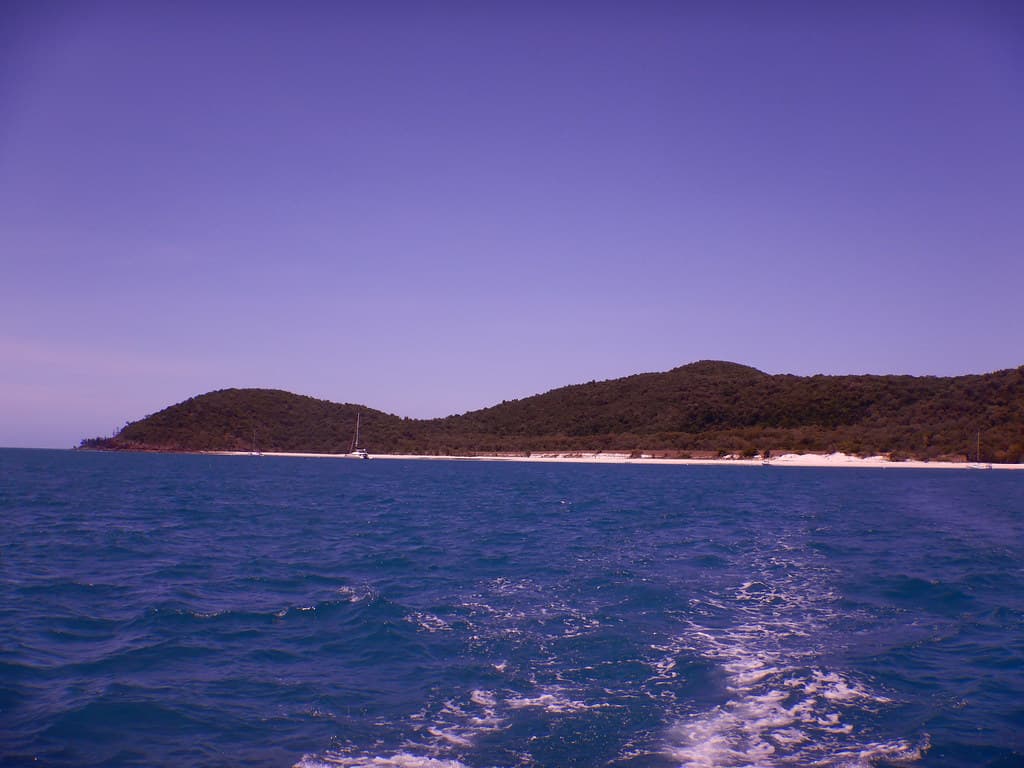
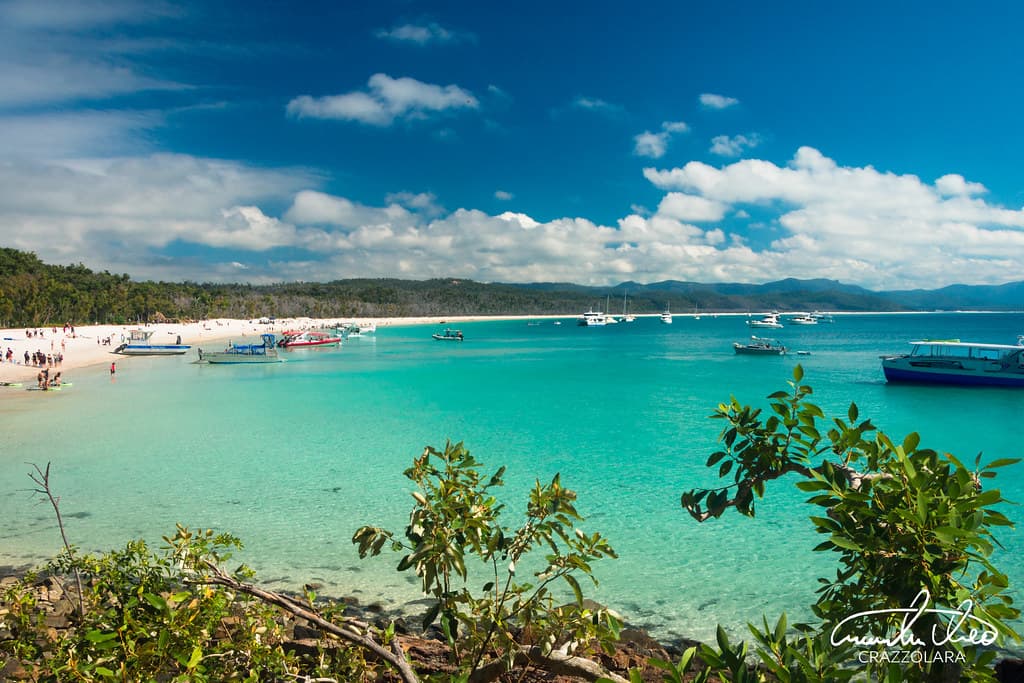
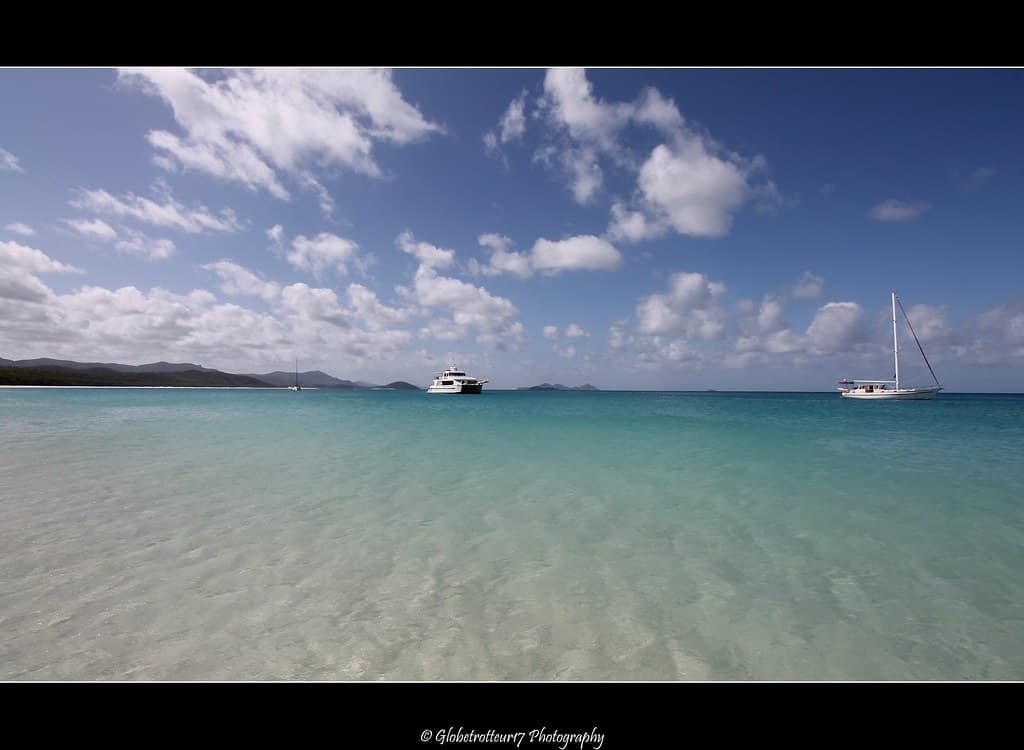
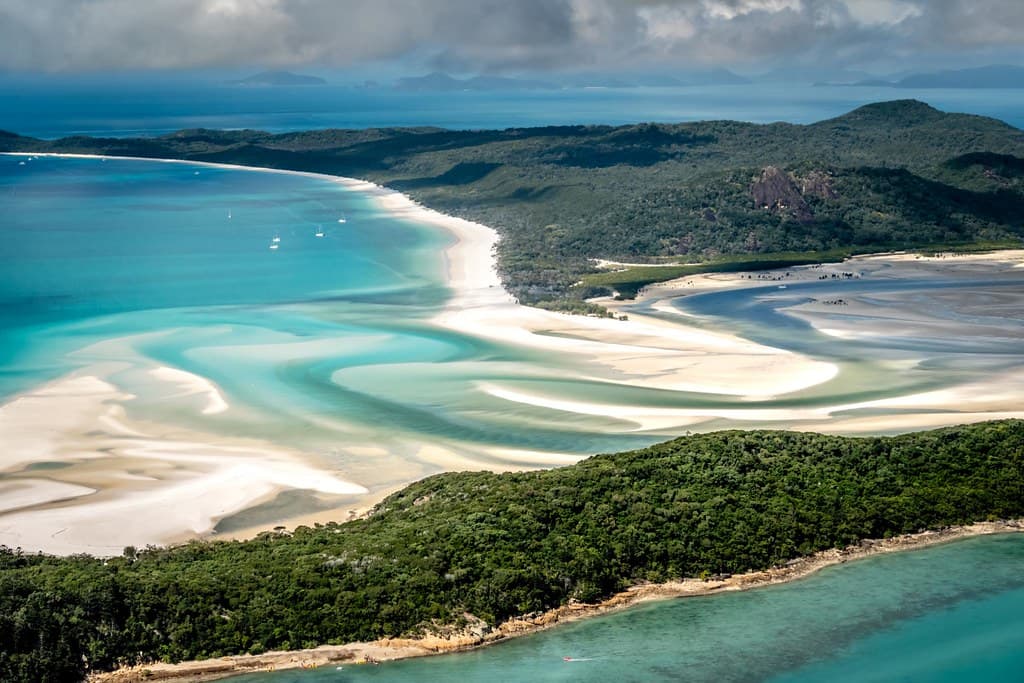
The sand arrives first as a rumor, then as a shock: seven kilometers of silica so fine and pale that it doesn't behave like ordinary beach sediment. It doesn't compact underfoot. It doesn't hold heat. Instead, it squeaks audibly with each step, a phenomenon caused by the spherical grain shape rubbing together. NASA once borrowed samples for telescope lenses. You'll borrow it for the afternoon, watching it sift through your fingers like flour. The northern end delivers the famous view—Hill Inlet at its tidal ballet, where sandbars shift daily and seawater braids itself into marbled patterns of aquamarine and navy. From the lookout trail, the scene resembles a Rothko canvas that somehow learned to move. Below, the beach stretches south in an unbroken arc, backed by paperbark trees and she-oaks that provide the only shade for miles. You'll arrive by boat or seaplane, since Whitsunday Island maintains no roads, no resorts, no permanent structures beyond basic camping facilities. The lack of infrastructure isn't an oversight—it's the point. The sand remains pristine partly because it's protected national park, partly because silica doesn't harbor the organic matter that usually clouds tropical waters. The result is visibility that extends thirty meters offshore, where green sea turtles graze on seagrass beds indifferent to your presence.
Places, rentals, tours and events within walking and driving distance of Whitehaven Beach.
Photos
Whitehaven Beach is generally safe for swimming, with calm, protected waters in most conditions. The beach faces the Coral Sea but is sheltered by the Great Barrier Reef, reducing wave action. There are no lifeguards on duty, and marine stingers (jellyfish) can be present, particularly from November to May, so stinger suits are recommended during these months. Crocodiles are extremely rare but theoretically possible in far north Queensland waters. Always check conditions with your tour operator before entering the water.
Whitehaven Beach is accessible year-round, with each season offering different advantages. June to September offers ideal weather with low humidity, minimal rainfall, and comfortable temperatures (20-25°C), plus no marine stingers. December to March is warmer and wetter with occasional tropical storms, but water visibility can be excellent. April-May and October-November provide shoulder season benefits with fewer crowds and pleasant conditions. The pure silica sand stays cool underfoot even in summer heat, making any time enjoyable.
Whitehaven Beach is only accessible by boat, seaplane, or helicopter, as Whitsunday Island is uninhabited with no airport or ferry terminal. Most visitors depart from Airlie Beach or Hamilton Island on day tours, multi-day sailing trips, or private charters. Popular options include fast catamarans (1-1.5 hours), sailing boats (2-3 hours), and scenic flights (20-30 minutes). There is no parking as the beach is vehicle-free. Tours typically include the famous Hill Inlet lookout as well as beach time.
Whitehaven Beach has absolutely no facilities, restaurants, shops, or accommodations. It is a pristine, uninhabited beach within Whitsunday Islands National Park. Visitors must bring all food, water, and supplies with them. Most day tours include lunch and refreshments. There are basic toilet facilities at the southern end but no freshwater showers. Camping is permitted at designated sites with permits obtained through Queensland Parks, but campers must be completely self-sufficient and carry out all waste.
Whitehaven's sand is 98% pure silica, making it brilliantly white and remarkably fine. Unlike most beaches formed from eroded shells and coral, this silica sand likely originated from mainland rocks and was transported over thousands of years. The high silica content prevents the sand from retaining heat, so it stays cool even in direct sunlight. The sand is so pure that it doesn't support algae growth, and its fine texture creates the stunning swirling patterns visible at Hill Inlet when tides mix sand with turquoise water.