Counting the waves…
Counting the waves…

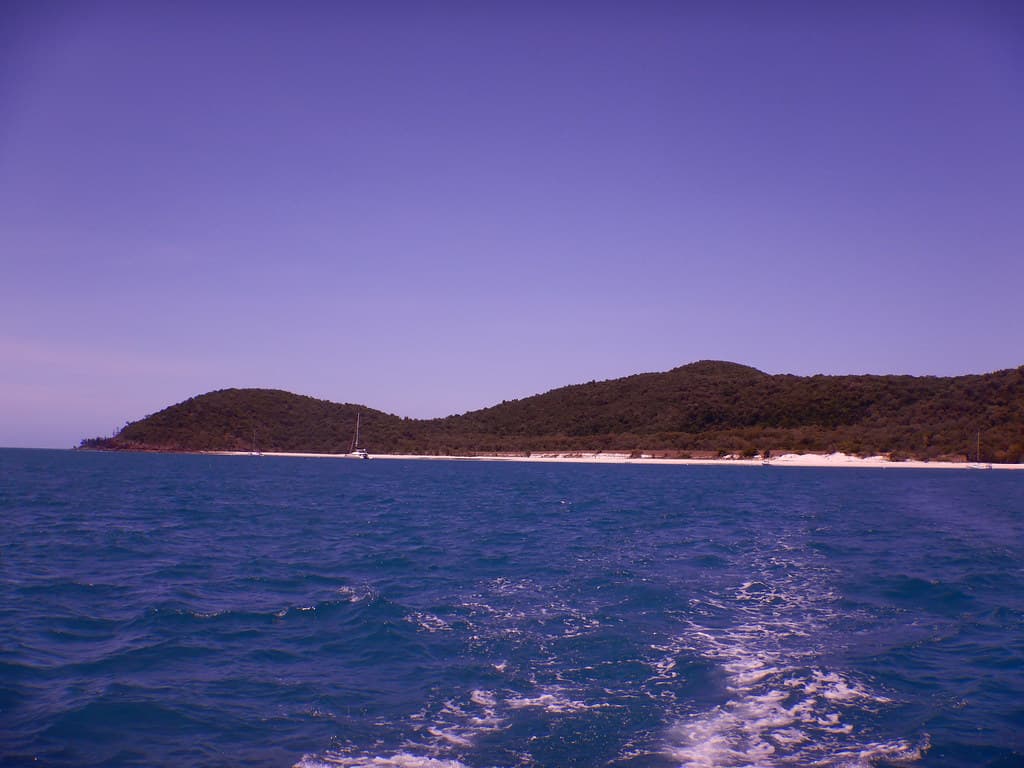
Chalkies Beach unfurls along Haslewood Island's northeastern edge, a 900-meter sweep of powder-fine silica that rivals its famous neighbor without the crowds. The sand here possesses the same geological pedigree as Whitehaven—98 percent pure silica—producing that signature squeak underfoot and a surface so reflective it glows even on overcast days. You'll wade into bathwater-warm shallows that hold their aquamarine hue for fifty meters out, the sandy floor visible beneath your knees. The beach curls gently at both ends, creating natural windbreaks where hoop pines and she-oaks lean landward from decades of prevailing southeasterlies. At low tide, sandbars emerge like bridges to nowhere, and you can walk halfway to the fringing reef without the water reaching your waist. The eastern headland offers a fifteen-minute scramble through vine thickets to a granite outcrop with sightlines across the entire Whitsunday Passage. Most visitors arrive via private charter or bareboat, anchoring in the protected bay where the holding is excellent in sand and mud. Unlike the tour-bus rhythm of Whitehaven, Chalkies operates on sailor's time—busiest mid-morning when the northbound fleet stops for a swim, empty again by late afternoon when the same boats push on to Hook Island. You'll share the beach with perhaps a dozen people at peak times, often fewer, and if you time your arrival for the shoulder hours you may have the entire crescent to yourself.

Places, rentals, tours and events within walking and driving distance of Chalkies Beach.
Photos
Chalkies Beach offers generally calm, protected waters ideal for swimming, though conditions vary with tides and weather. The beach faces west into Pioneer Bay, providing natural shelter from prevailing winds. As with all Whitsundays beaches, stinger season (November-May) requires protective clothing due to jellyfish presence. No lifeguards patrol this remote location, so swim cautiously and monitor children closely. Check weather forecasts before visiting, as conditions can change quickly. The shallow turquoise waters near shore are typically gentle, making it suitable for families during calm conditions.
Chalkies Beach can be visited year-round, with each season offering distinct advantages. May to September brings dry, mild weather with comfortable temperatures (17-27°C) and minimal rainfall, ideal for beach activities without stinger suits. October to April is warmer and more humid with occasional tropical showers, but requires stinger protection when swimming. The Whitsundays enjoy around 300 days of sunshine annually, making most days suitable for visiting. Shoulder seasons (April-May and September-October) offer excellent weather with fewer crowds compared to peak winter months.
Chalkies Beach is only accessible by boat, as Haslewood Island is uninhabited with no public facilities or jetty. Most visitors arrive via chartered yacht, private boat, or organized day tours departing from Airlie Beach or Hamilton Island. The journey typically takes 45-90 minutes depending on departure point and vessel type. Many Whitsundays sailing tours include Chalkies Beach as a snorkeling or beach stop alternative to busier Whitehaven Beach. There's no formal mooring infrastructure, so boats anchor offshore and guests transfer via tender or walk ashore in shallow water.
Chalkies Beach has absolutely no facilities, amenities, or accommodation. Haslewood Island is completely undeveloped national park land with no toilets, fresh water, shelter, or food services. Visitors must bring all supplies including drinking water, food, sun protection, and pack out all rubbish. The nearest accommodation and dining options are on Hamilton Island or Airlie Beach on the mainland. Most visitors experience Chalkies Beach as a day trip stop during multi-day sailing charters or organized tours that provide meals and facilities onboard. Plan accordingly for this pristine, remote beach experience.
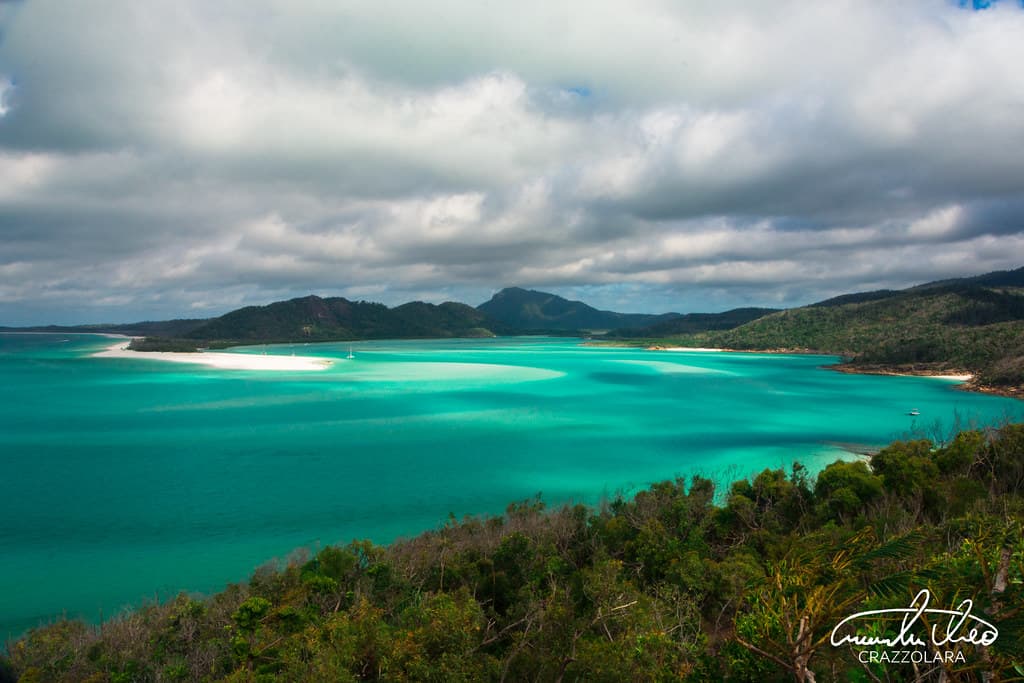
Chalkies Beach offers a similar but more intimate alternative to Whitehaven Beach, featuring equally stunning white silica sand and turquoise waters with far fewer crowds. While Whitehaven stretches 7 kilometers, Chalkies is smaller and more secluded, providing a quieter experience. Both beaches share the same 98% pure silica sand characteristic of the Whitsundays, though Chalkies lacks Whitehaven's famous Hill Inlet lookout. The main advantage is tranquility—while hundreds visit Whitehaven daily, Chalkies sees only occasional tour boats, making it perfect for those seeking pristine beauty without crowds.