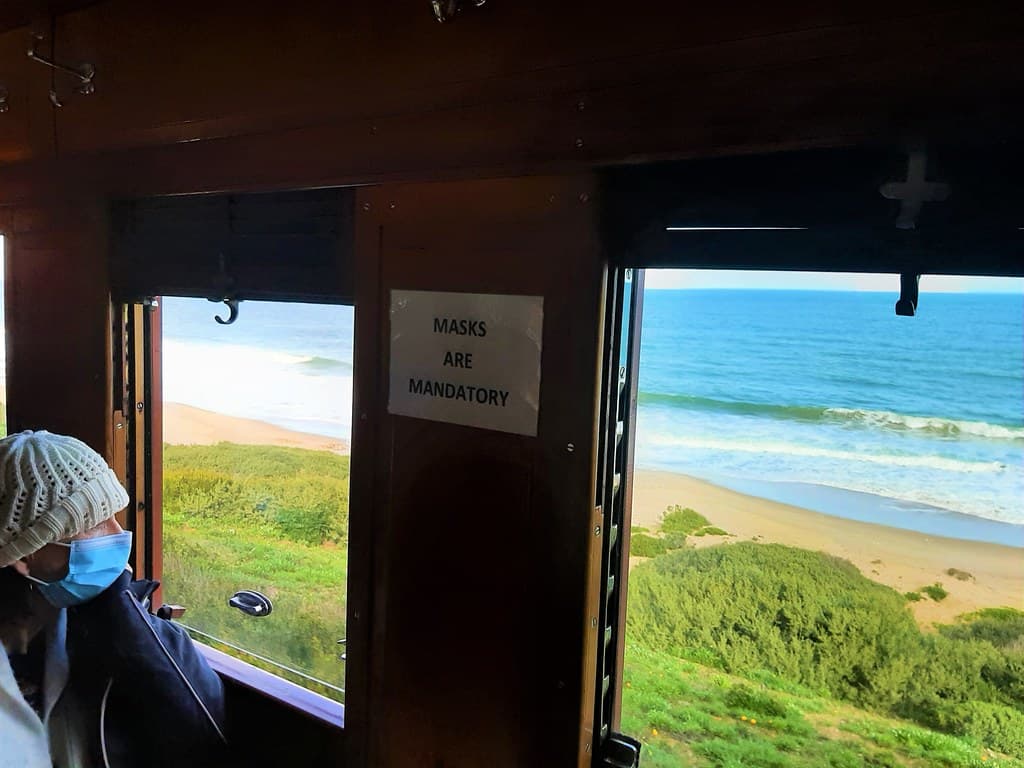
Counting the waves…
Counting the waves…

The bridge from Goolwa deposits you onto Hindmarsh Island with little fanfare—no signage trumpeting a resort, no parking attendants waving you toward a crowded lot. Instead, the narrow roads thread past weatherboard cottages and sheep paddocks before delivering you to a coastline that feels more functional than curated. The sand here is coarse underfoot, flecked with shell fragments and strands of Neptune's necklace seaweed. Offshore, the swells roll in with a steady rhythm shaped by the fetch across Encounter Bay, and the horizon is an uninterrupted seam where grey-blue water meets paler sky. This is the Coorong Coast's quiet sibling, a stretch where the Southern Ocean's moods dictate the day. Mornings bring glassy conditions and the scent of salt mixing with eucalyptus carried down from the inland scrub. By afternoon, the nor'westers kick up, reshaping the sand into temporary ripples and sending terns skittering along the shorebreak. You'll share the beach with locals launching dinghies for a run to the Murray Mouth or surf anglers staking out gutters at low tide. The island itself holds a stillness rare along more trafficked coasts—no beachfront cafés, no lifeguard towers, just the elemental give-and-take of wind, water, and sand. It's a place that rewards those willing to trade convenience for solitude, where the only soundtrack is the percussion of waves meeting shore and the occasional cry of a white-bellied sea eagle circling overhead.
Places, rentals, tours and events within walking and driving distance of Hindmarsh Island Beach.
Photos
Hindmarsh Island Beach offers generally calm swimming conditions due to its location within the Coorong, though conditions vary with tides and weather. The beach is unpatrolled, so swimmers should take personal precautions and avoid swimming alone. The Murray Mouth area can have strong currents, so stay closer to the main beach sections. Always check local conditions before entering the water. The beach is suitable for wading and paddling, making it popular with families, but supervision of children is essential as no lifeguards are present.
Hindmarsh Island Beach can be visited year-round, with each season offering different appeal. Summer (December-February) provides warm weather ideal for swimming and beach activities, though it can get busier. Autumn and spring offer mild temperatures perfect for walking and birdwatching with fewer crowds. Winter remains pleasant for beach walks and whale watching offshore. The beach's protected location means it's less affected by strong winds than ocean-facing beaches. Early mornings and late afternoons provide the best light for photography and wildlife spotting throughout the year.
Hindmarsh Island Beach is accessible by crossing the Hindmarsh Island Bridge from Goolwa, approximately 85 kilometres south of Adelaide. From the bridge, follow Randell Road onto the island and turn towards the beach access points. Free parking is available near the beach in informal parking areas along the coastal track. A 2WD vehicle is generally sufficient for main access points, though some areas may require 4WD. The drive from Goolwa takes roughly 10 minutes. Public transport options are limited, so a private vehicle is recommended.
Hindmarsh Island Beach itself has minimal facilities, reflecting its off-the-beaten-path nature. Basic amenities like toilets may be available at some access points, but it's best to come prepared. The nearby town of Goolwa (10 minutes away) offers cafes, restaurants, supermarkets, and various accommodation options including hotels, holiday rentals, and caravan parks. Some accommodation exists on Hindmarsh Island itself, including holiday homes and boutique stays. Pack food, water, and beach essentials as there are no shops or kiosks directly at the beach.
Yes, Hindmarsh Island Beach offers excellent views of the Murray Mouth, where Australia's longest river system meets the Southern Ocean. The Murray Mouth is visible from various points along the beach and is a significant geographical feature worth observing. The mouth's position can shift due to sand movement, and ongoing dredging operations sometimes occur to maintain water flow. This area is also important for birdwatching, as the mixing waters attract diverse wildlife. The viewing experience is particularly dramatic during different tidal conditions and changing weather patterns.