Counting the waves…
Counting the waves…

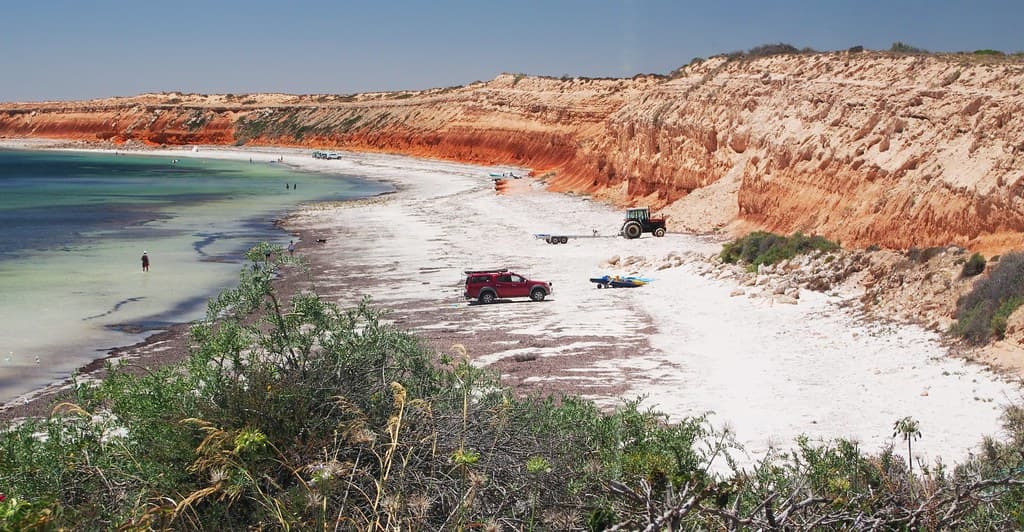
The beach curves gently around a protected bay where children wade out fifty meters before the water reaches their shoulders. Limestone rocks cluster at the southern end, their crevices alive with tiny crabs that scuttle sideways when you approach. The foreshore reserve spreads under Norfolk pines that cast late-afternoon shade across picnic tables still warm from the midday sun. You'll notice the tide exposing ribbons of dark seagrass along the waterline, and the small boat ramp at the jetty where locals launch tinnies for evening fishing. The calm conditions make this a forgiving place to learn stand-up paddleboarding—no rips, no dumping waves, just water that holds you steady. A playground sits back from the beach, its swings creaking in the salt breeze while barbecues tick and cool nearby. The settlement itself barely registers: a general store, a caravan park, and weatherboard holiday cottages that fill quietly during school breaks. Walk the jetty at dusk and you'll hear the water lapping against pylons, watch the light drain from the sky toward the Wardang Island silhouette. This is South Australia's gulf coast at its most unhurried—a place where the loudest sound is often your own footsteps on sun-bleached boards.
Places, rentals, tours and events within walking and driving distance of Point Turton Beach.
Photos
Point Turton Beach is generally considered safe for swimming, particularly for families with children. The beach features calm, sheltered waters within Hardwicke Bay, making it ideal for young swimmers. The sandy bottom slopes gradually, providing a safe entry point. However, always check local conditions before swimming, as weather can affect water conditions. There are no patrolled areas with lifeguards, so swimmers should exercise caution and supervise children at all times. The protected location means waves are typically minimal compared to ocean-facing beaches.
Point Turton Beach can be enjoyed year-round due to South Australia's Mediterranean climate. Summer (December-February) offers warm temperatures ideal for swimming, though this is peak season. Autumn and spring provide pleasant weather with fewer crowds, perfect for beach walks and fishing. Winter months are cooler but still suitable for coastal walks and scenery. The shoulder seasons of April-May and September-October often deliver mild, comfortable conditions. Being a sheltered beach, it's generally less affected by strong winds than exposed coastlines, making it accessible in various weather conditions.
Point Turton Beach is located approximately 170 kilometers west of Adelaide on the Yorke Peninsula. From Adelaide, drive via the Augusta Highway to Port Wakefield, then follow signs through Maitland and Yorketown to Point Turton. The journey takes roughly 2.5 hours. Free parking is available near the beach, with spaces along the foreshore. The area is accessible by car, and the beach is a short walk from parking areas. There is no public transport to Point Turton, so a private vehicle is necessary for visiting.
Point Turton Beach offers basic beach amenities including toilet facilities and picnic areas with shelters and barbecues. The small township has limited services, so visitors should bring supplies from larger towns like Yorketown. Accommodation options include holiday homes, beach shacks available for rent, and the Point Turton Caravan Park, which offers powered sites and cabins. For groceries and more extensive dining options, you'll need to travel to nearby towns. The quiet, low-key atmosphere reflects the beach's appeal as a peaceful getaway rather than a commercial tourist destination.
Fishing is popular at Point Turton Beach and surrounding areas. The jetty is a favored spot for anglers seeking garfish, tommy ruff, squid, and occasionally larger species. Beach fishing along the shoreline can yield salmon, sharks, and flathead depending on season. A boat ramp is available for those wanting to fish from boats in Hardwicke Bay. South Australian recreational fishing licenses are required for most fishing activities. Local bait and tackle shops in nearby towns can provide current advice on what's biting and best techniques for the area.