Counting the waves…
Counting the waves…

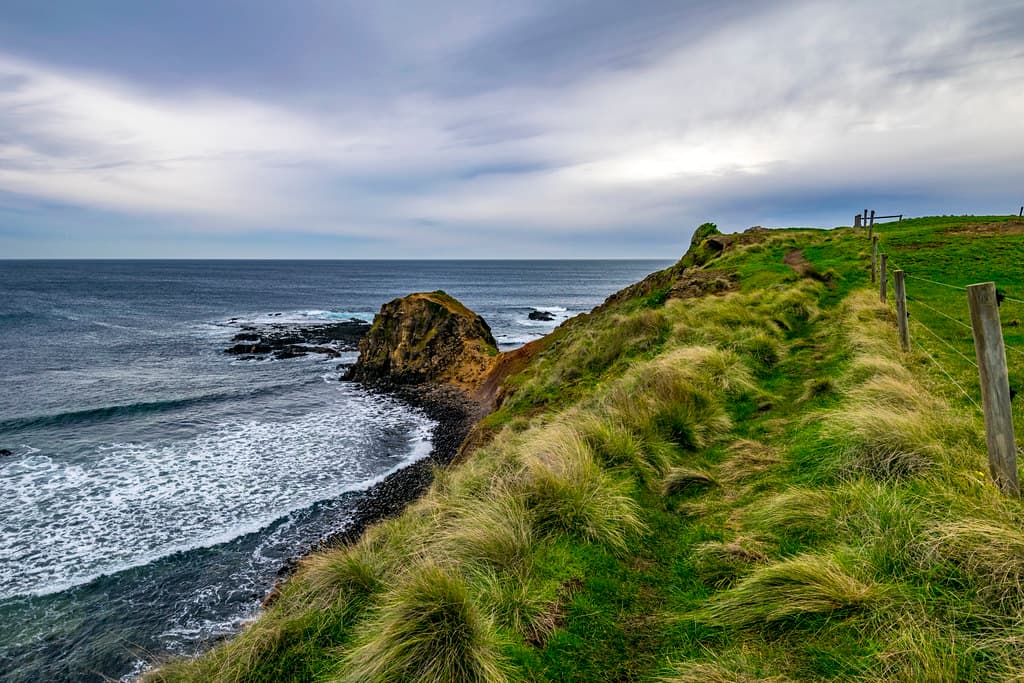
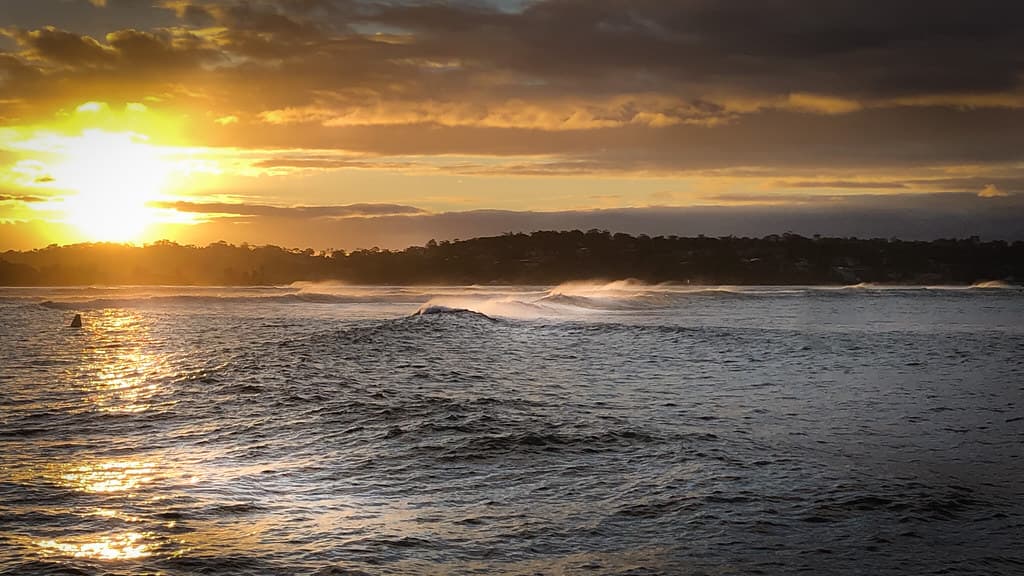
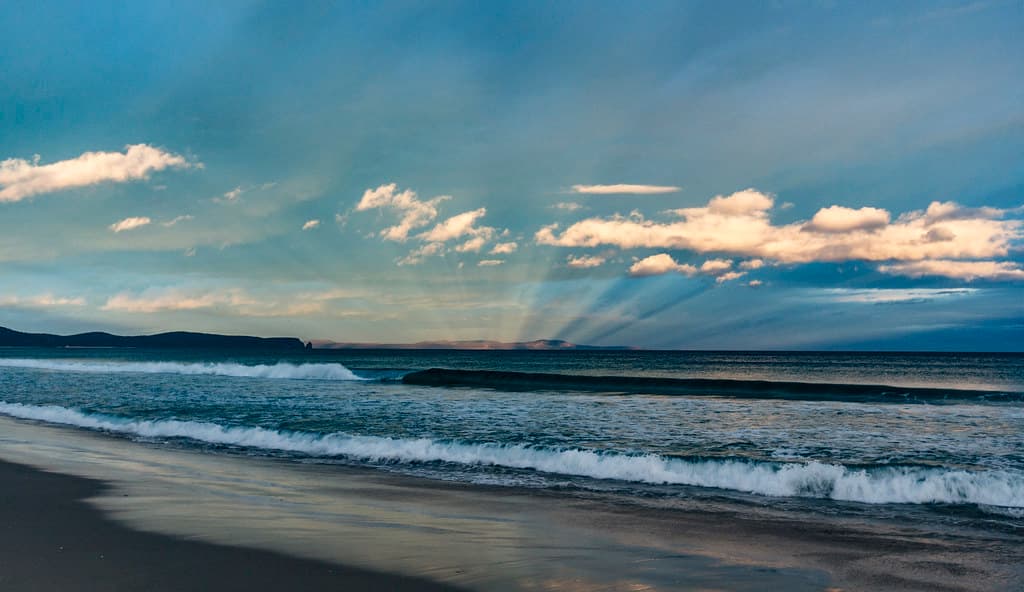
Little Taylors Bay sits on the eastern side of South Bruny, facing the D'Entrecasteaux Channel rather than the open ocean. You'll navigate a rough access road through banksia and tea-tree before the track drops you onto a narrow arc of sand mixed with worn shell fragments. The bay's protected position means the water remains glassy most days, reflecting the forested slopes that rise steeply behind you. Granite boulders frame each end of the beach, their surfaces patterned with orange lichen and hosting colonies of small periwinkles. The shoreline curves gently, stretching perhaps two hundred paces from headland to headland. At low tide, rockpools appear near the southern point, filled with Neptune's necklace seaweed and the occasional translucent shrimp. The shallows extend gradually, warming in summer to temperatures that invite long wades. Wattlebirds call from the coastal heath, and you might spot white-bellied sea eagles circling above the channel, scanning for fish. Bring provisions—there's nothing commercial within twenty minutes' drive. The isolation is the attraction. You'll spread your towel on sand that holds the imprint of last night's wallaby tracks, wade into water that barely stirs, and understand why couples return here season after season, content to watch the light change over the channel without interruption.
Places, rentals, tours and events within walking and driving distance of Little Taylors Bay.
Photos
Little Taylors Bay is generally safe for swimming, with calm, sheltered waters ideal for families and less confident swimmers. The bay's protected location means minimal waves and currents. However, there are no lifeguards on duty, and facilities are limited. Always supervise children closely and check local conditions before entering the water. The beach is relatively shallow near the shore, making it suitable for wading and paddling. As with any Tasmanian beach, water temperatures remain cool year-round, so consider wearing a wetsuit for extended swimming.
Little Taylors Bay can be visited year-round, though each season offers different experiences. Summer (December-February) provides the warmest weather for swimming and beach activities, with temperatures reaching 20-25°C. Autumn and spring offer milder conditions with fewer crowds, perfect for peaceful walks and photography. Winter brings dramatic scenery and potential wildlife sightings, though water activities are less appealing. The bay's sheltered position provides some wind protection regardless of season. Early mornings and late afternoons offer the best light for capturing the bay's stunning scenery.
Little Taylors Bay is located on North Bruny Island, accessible via the vehicle ferry from Kettering (about 40 minutes south of Hobart). After the ferry crossing, drive north on the main road for approximately 15 minutes. Limited roadside parking is available near the beach access point. The beach requires a short walk down to reach the sand. A car is essential as no public transport services this area. The gravel access road can be rough, so drive carefully. Plan your return ferry time accordingly, especially during peak tourist seasons when ferries can be busy.
Little Taylors Bay has no facilities directly at the beach—no cafes, toilets, or shops. The nearest services are in the small settlements scattered across North Bruny Island, roughly 10-20 minutes' drive away. Several accommodation options exist on Bruny Island, including holiday rentals, B&Bs, and boutique stays, mostly requiring advance booking. For dining, you'll find cafes, restaurants, and the famous Get Shucked oyster farm elsewhere on the island. It's essential to bring all supplies, including food, water, and sun protection, as this is a remote, undeveloped beach perfect for those seeking solitude.
Little Taylors Bay remains relatively undiscovered compared to Bruny Island's more famous beaches, offering visitors a secluded, intimate experience. Its sheltered cove creates mirror-like water reflections and a peaceful atmosphere perfect for couples and photographers. The lack of development and facilities means fewer crowds, even during peak season. The bay's stunning natural beauty—combining white sand, clear turquoise waters, and surrounding bushland—feels remarkably pristine. Its quieter reputation compared to nearby Adventure Bay or Cloudy Bay means those who make the effort to find it are often rewarded with having this picturesque spot largely to themselves.