Counting the waves…
Counting the waves…

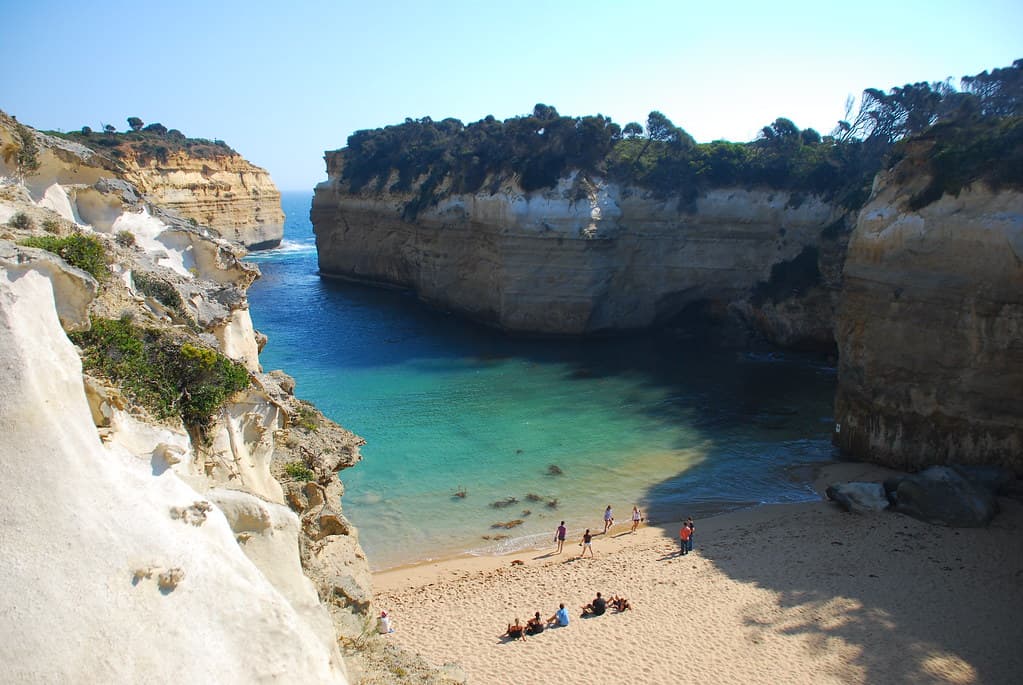
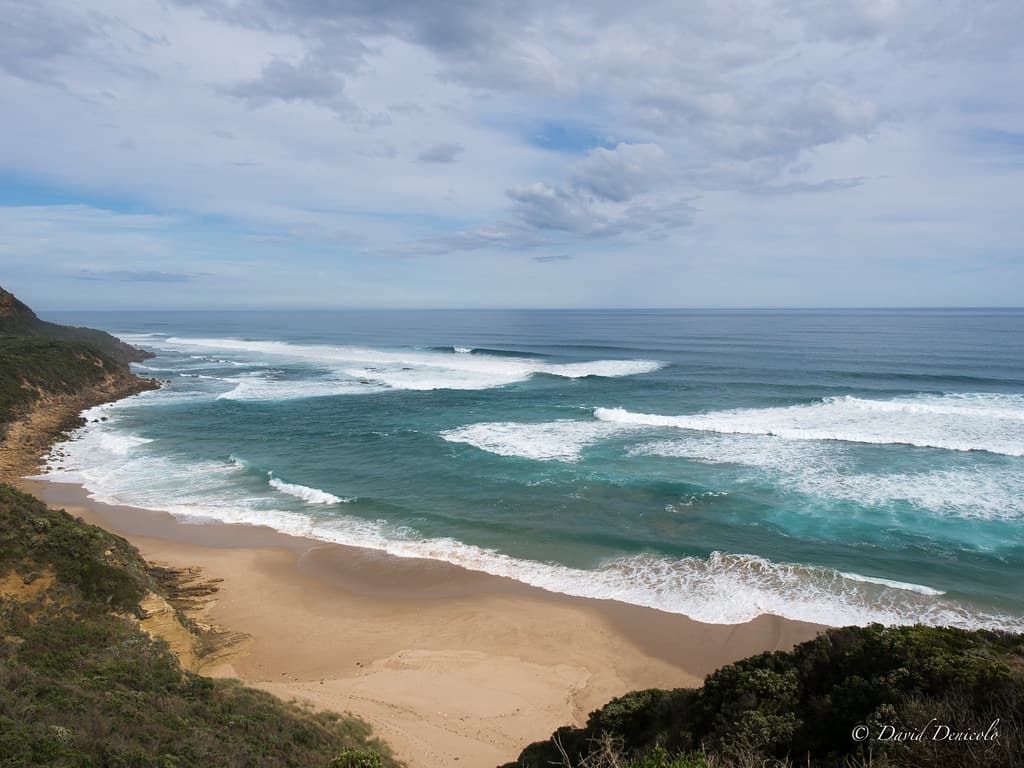
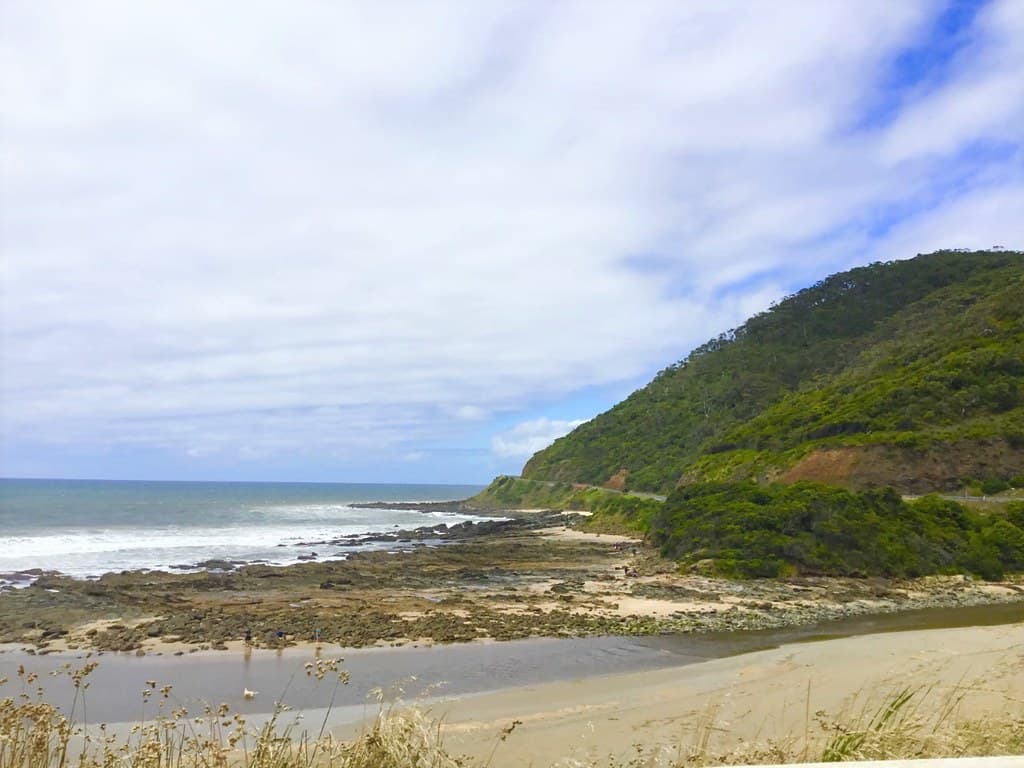
The Great Ocean Road sweeps you past Apollo Bay and into a different climate altogether. Cape Otway Beach sits beneath cliffs cloaked in temperate rainforest, where tree ferns drip onto walking trails and the air tastes of salt and eucalyptus resin. You'll spot koalas dozing in the manna gums that lean toward the lighthouse—this is one of the densest populations on the coast—and if you're quiet near the rock pools at low tide, eastern grey kangaroos sometimes browse the grassy dunes behind you. The beach itself is a ribbon of tawny sand interrupted by dark rock shelves that jut into the swell. Waves hit hard here, unimpeded by reef or island, and the water stays cold even in January. Families spread out near the creek mouth where the sand is softer; photographers scramble over the platforms at golden hour when the lighthouse catches the last rays. You'll want boots if you're exploring the intertidal zone—the basalt is sharp and slick with algae. Cape Otway Lighthouse, Australia's oldest surviving lighthouse, perches on the headland above. The beam has guided ships since 1848, and the keeper's cottages now house exhibitions on shipwrecks and migratory whales. In winter, southern right whales cruise close enough to shore that you can watch their backs arch from the clifftop viewing platforms, no boat required.
Places, rentals, tours and events within walking and driving distance of Cape Otway Beach.
Photos
Cape Otway Beach is generally not recommended for swimming due to strong currents, unpredictable surf conditions, and cold Southern Ocean waters. The beach is unpatrolled, so there are no lifeguards on duty. Rips and undertows are common along this rugged coastline. Visitors should exercise extreme caution near the water's edge and supervise children closely. The beach is better suited for walking, wildlife watching, and scenic photography rather than swimming. Always check local conditions and warning signs before entering the water.
Cape Otway Beach can be visited year-round, with each season offering different experiences. Summer (December-February) provides the warmest weather, ideal for beach walks and wildlife spotting. Autumn and spring offer mild temperatures and fewer crowds, perfect for photography and exploring the lighthouse. Winter brings dramatic seas and migrating whales (June-September). The area experiences cool temperatures and occasional rain throughout the year, so layered clothing is recommended. Early morning and late afternoon typically offer the best light for coastal views and wildlife encounters.
Cape Otway Beach is located approximately 20 kilometres south of Apollo Bay along the Great Ocean Road. From Apollo Bay, take Lighthouse Road (C159) through Great Otway National Park—the scenic drive takes about 30 minutes. The road is sealed but winding, requiring careful driving. Parking is available at the Cape Otway Lightstation complex, which charges an admission fee. Additional parking may be found at nearby beach access points. The area is remote, so fuel up in Apollo Bay and allow extra time for the journey and potential wildlife sightings along the route.
Cape Otway has limited facilities, with a small café at the Lightstation offering light refreshments and snacks. For full dining and accommodation options, Apollo Bay (20km away) is the nearest town, featuring restaurants, cafes, supermarkets, hotels, motels, and holiday rentals. Closer to Cape Otway, the Bimbi Park camping ground and caravan park offers basic facilities. Lighthouse keepers' cottages can be booked for overnight stays at the Lightstation itself. Visitors should pack water and snacks for day trips, as amenities directly at the beach are minimal.
Cape Otway is renowned for diverse wildlife encounters. Koalas are frequently spotted in eucalyptus trees along Lighthouse Road and near the Lightstation. From June to September, migrating southern right and humpback whales can be observed from the clifftops. Fur seals often rest on offshore rocks, while various seabirds including albatrosses and shearwaters glide overhead. Wallabies, echidnas, and glow worms inhabit the surrounding Great Otway National Park. Dawn and dusk offer the best wildlife viewing opportunities. Bring binoculars for optimal whale and seal watching from the elevated coastal vantage points.