Counting the wavesβ¦

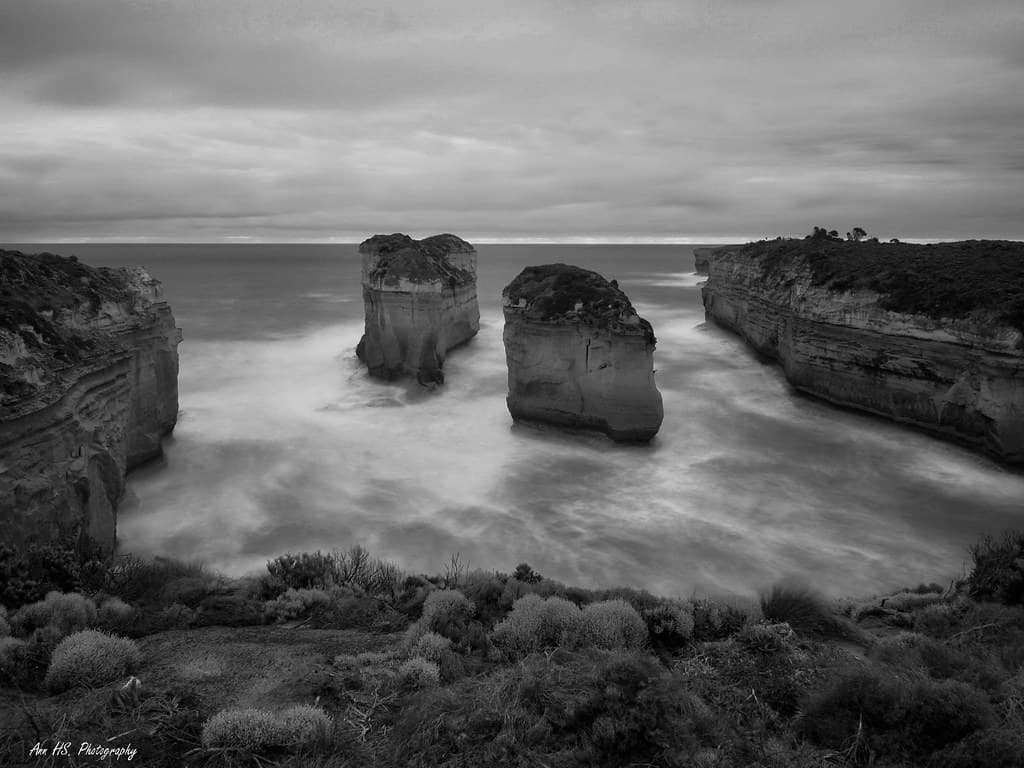
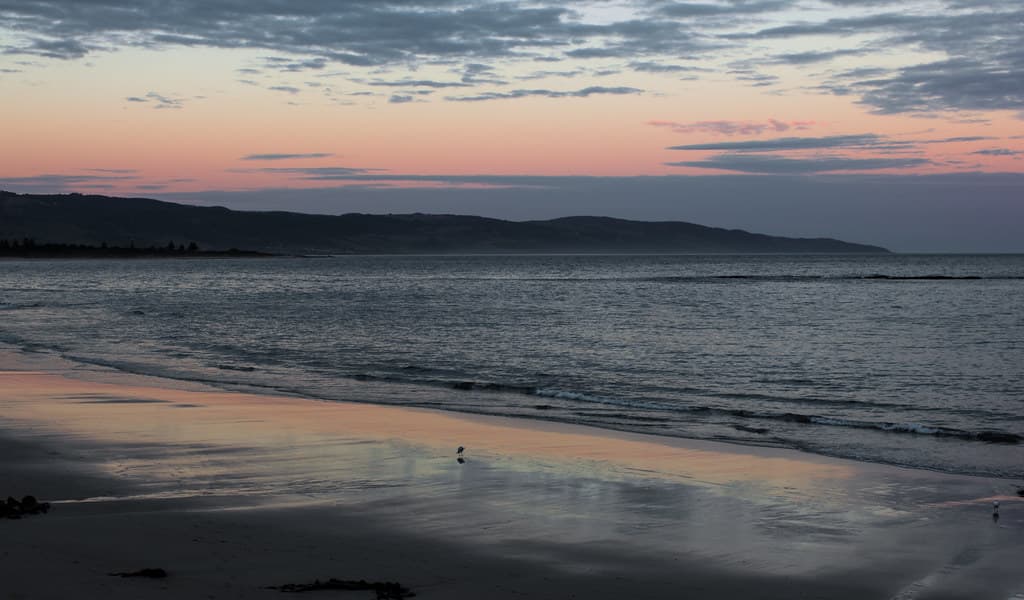
Marengo Beach unfolds just east of Apollo Bay's bustling foreshore, a generous sweep of sand that catches morning light on its eastern curve and holds onto afternoon sun in its western pocket. The bay's natural shelter takes the edge off Bass Strait's wildness, creating conditions that suit learner bodyboarders and confident swimmers alike. Between swims, you'll walk a shoreline studded with kelp and bleached driftwood, the Great Otway National Park rising steeply behind the coastal reserve. The beach runs for nearly two kilometers, giving you room to spread out even during summer holiday weekends when Melbourne families make the two-hour drive down. Low tide exposes rock platforms at either end, where patient children crouch with nets hunting for crabs. At high tide, the waves push right up to the grassy bank, and you'll understand why locals bring folding chairs and thermoses rather than towels. The Marengo Reefs Marine Sanctuary extends offshore, making this one of the few easily accessible beaches along the Otways Coast where you can snorkel among protected kelp forests. On clear days, you'll see the headland stretching toward Cape Otway in one direction and the curve of Apollo Bay's harbor in the otherβa view that reminds you how small and temporary your footprints are on this ancient coast.
Places, rentals, tours and events within walking and driving distance of Marengo Beach.
Photos
Marengo Beach is generally safer for swimming than many ocean beaches along Victoria's coast due to its sheltered location in Apollo Bay. The beach typically has calmer waters compared to nearby surf beaches, making it more suitable for families and less confident swimmers. However, conditions can vary with weather and tides, so always check local conditions before entering the water. There are no permanent lifeguard patrols, so swim during daylight hours and stay within your ability level. Rips can still occur, particularly after storms or during high tide.
Marengo Beach is accessible year-round, with each season offering different appeals. Summer (December-February) brings warm weather ideal for swimming and sunbathing, though it's the busiest period. Autumn and spring offer mild temperatures, fewer crowds, and excellent conditions for beach walks and whale watching (June-September). Winter can be dramatic with stormy seas and moody skies, perfect for photographers and those seeking solitude. The beach's sheltered position makes it relatively pleasant even in cooler months, and Apollo Bay's mild coastal climate means comfortable visits are possible throughout the year.
Marengo Beach is located approximately 2km east of Apollo Bay's town centre along the Great Ocean Road. From Melbourne, it's about a 2.5-hour drive via Geelong and the scenic coastal route. Free parking is available at Marengo Beach with designated car parks directly off Great Ocean Road. The beach is easily accessible with a short walk from the car park to the sand. There's no public transport directly to Marengo Beach, though Apollo Bay town is serviced by V/Line buses from Geelong, from which you could walk or arrange local transport to the beach.
Marengo Beach itself has limited facilities, but nearby Apollo Bay (2km away) offers extensive dining and accommodation options. You'll find cafes, restaurants, pubs, and takeaway shops in the town centre serving fresh seafood and local produce. Accommodation ranges from caravan parks and budget motels to boutique hotels and holiday rentals, many with ocean views. Some properties are located between Apollo Bay and Marengo Beach along the Great Ocean Road. For beachside convenience, pack a picnic as there are no cafes directly at Marengo Beach, though public toilets and basic facilities are available at the beach access points.
Yes, Marengo Beach is an excellent spot for whale watching, particularly during the annual southern right whale migration season from June to September. The beach's elevated vantage points and relatively calm bay waters make it ideal for spotting whales as they travel along the coast or rest in Apollo Bay. Mothers with calves are often seen closer to shore. Early morning typically offers the best visibility and calmest conditions for whale watching. Bring binoculars for better views, and check with the Apollo Bay Visitor Information Centre for recent sightings and optimal viewing locations along the beach.