
Counting the waves…
Counting the waves…

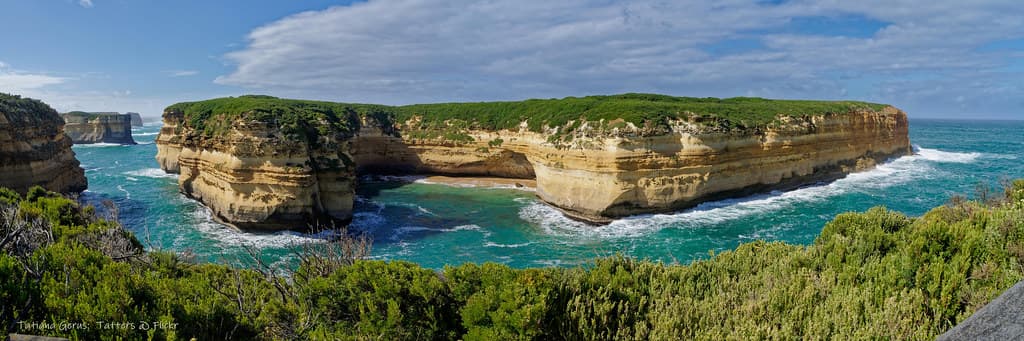
The stairs switchback down through wind-sculpted rock, delivering you onto a slim crescent of sand wedged between cliffs that glow amber in morning light. Above, the gorge opens to a sliver of sky; ahead, the Southern Ocean funnels through a narrow throat, its swells transforming into churning whitewash as they meet the shallows. You hear the water before you see it—a constant rumble that reverberates off stone. The beach itself stretches barely a hundred metres, bookended by cave openings and rock stacks that stand like sentries. At low tide, you can wade through the shallows toward Mutton Bird Island, though the cold reminds you this is no tropical dip. Rockpools collect in the limestone platforms, filled with anemones and tiny fish. The cliffs wear centuries of erosion in their striations, each layer a different shade of ochre and grey. This isn't a place for laying out towels and settling in for hours. The gorge demands movement—exploring its alcoves, photographing the light as it shifts across the cliffs, reading the interpretive signs that recount the night Eva Carmichael and Tom Pearce washed ashore. You stay until the wind picks up or the tide turns, then climb back out, salt-sprayed and slightly breathless.
Places, rentals, tours and events within walking and driving distance of Loch Ard Gorge.
Photos
Swimming at Loch Ard Gorge is not recommended and can be extremely dangerous. The gorge features powerful waves, strong currents, and unpredictable swells that have caused fatalities. The beach is named after the Loch Ard shipwreck of 1878, which claimed 52 lives in these treacherous waters. While the sheltered gorge might appear calm, conditions change rapidly. There are no lifeguards on duty, and the rocky surroundings pose additional hazards. Visitors should stay on designated viewing platforms and walkways, enjoy the spectacular scenery, and reserve swimming for patrolled beaches elsewhere along the Great Ocean Road.
Loch Ard Gorge can be visited year-round, with each season offering distinct advantages. Summer (December-February) brings warmer weather and longer daylight hours, ideal for extended exploration. Winter (June-August) offers dramatic seas and fewer crowds, though conditions can be windy and cold. Early morning visits provide the best light for photography and fewer tour buses. Sunset creates stunning golden-hour views. Weather along the Great Ocean Road is changeable, so bring layers regardless of season. Visiting on weekdays or outside Australian school holidays helps avoid peak crowds, allowing for a more peaceful experience of this iconic landmark.
Loch Ard Gorge is located approximately 10 minutes west of Port Campbell along the Great Ocean Road (B100). From Melbourne, it's about a 3-hour drive (270km). Free parking is available in a well-signposted car park directly off the Great Ocean Road. The site is easily accessible by car and is a popular stop on organized Great Ocean Road tours departing from Melbourne. From the car park, well-maintained stairs and pathways lead down to various viewing platforms and beach access points. The walk takes about 5-10 minutes. Public transport options are limited, making a rental car or tour the most practical choices.
Loch Ard Gorge itself has basic amenities including public toilets in the car park, but no food facilities or accommodation on-site. The nearby town of Port Campbell (5km east) offers cafes, restaurants, general stores, fuel stations, and various accommodation options including motels, holiday parks, and B&Bs. Most visitors combine Loch Ard Gorge with other Great Ocean Road attractions as a day trip. For a longer stay, Port Campbell serves as an excellent base. It's advisable to bring water and snacks, especially during peak times when nearby towns may be busy. Plan meal stops in Port Campbell before or after visiting.
The gorge is named after the clipper ship Loch Ard, which tragically wrecked here on June 1, 1878, during its voyage from England to Melbourne. Of 54 people aboard, only two survived: Tom Pearce, an apprentice officer, and Eva Carmichael, an Irish immigrant. Tom rescued Eva from the water and sheltered her in a cave (now called Eva's Cave, accessible from the beach). The nearby cemetery in Port Campbell contains graves of Loch Ard victims. Interpretive signs at the site detail this maritime disaster, adding historical depth to the gorge's dramatic natural beauty and making it a significant cultural landmark along Victoria's Shipwreck Coast.