Counting the waves…
Counting the waves…

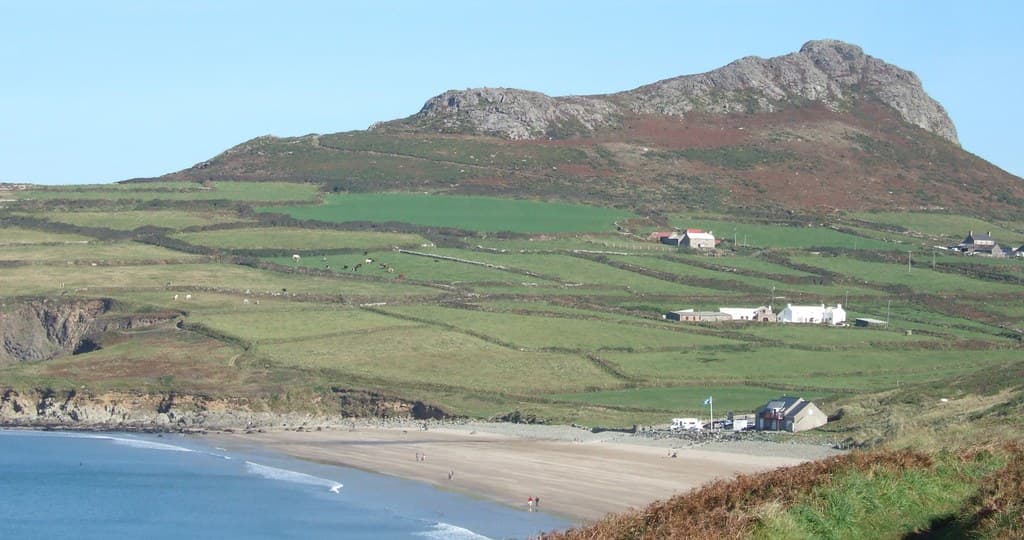
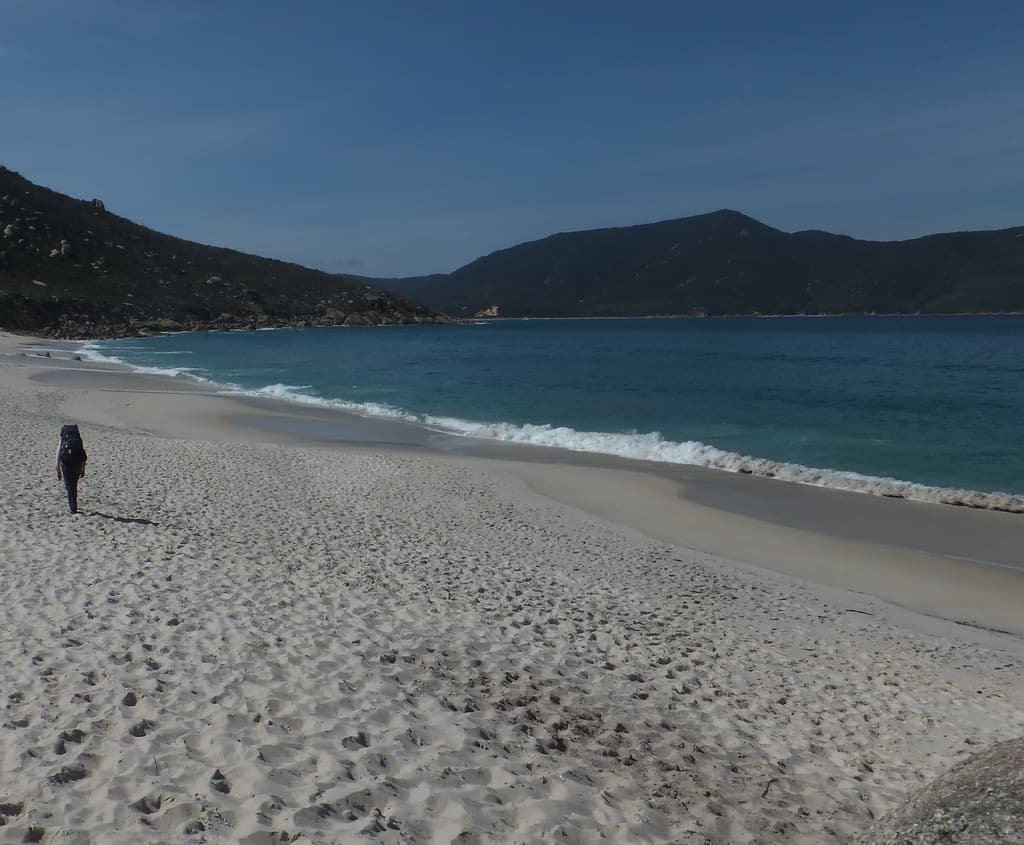
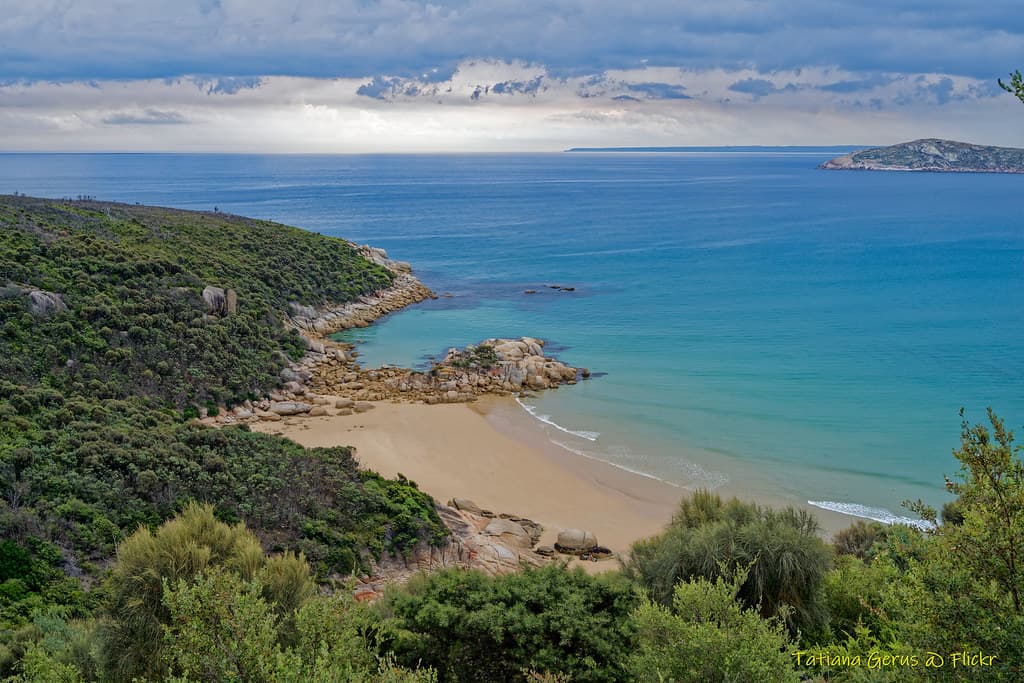
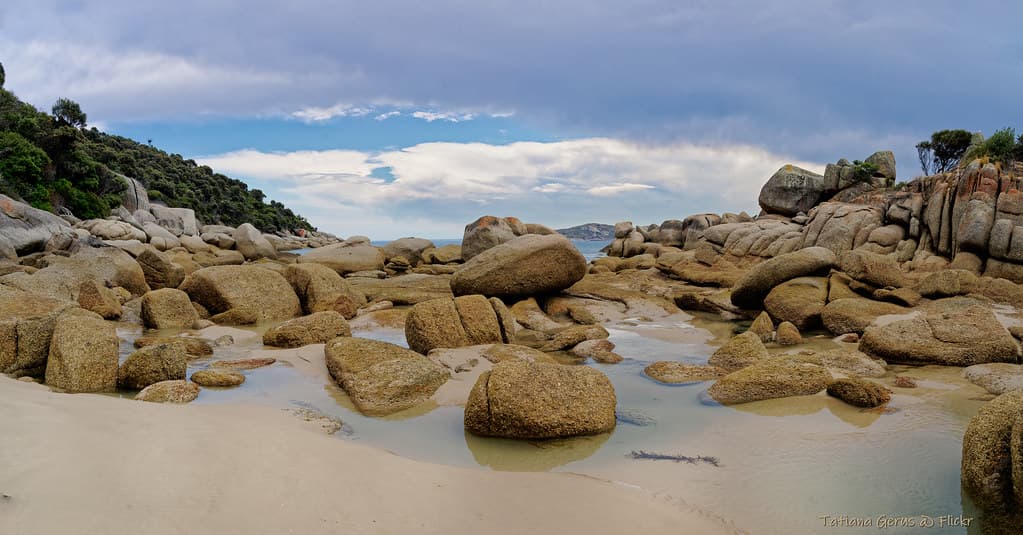
Darby Beach unfolds along the southeastern edge of Tidal River's campground, where the Prom's rugged granite slopes give way to a forgiving shoreline. The sand here is coarser than you'd expect, studded with fragments of shell and quartz that glint under your feet. Shallow sandbars extend fifty meters out at low tide, creating warm pools where children crouch to inspect hermit crabs and tiny flathead darting between strands of kelp. The beach curves northwest, tucked behind Shellback Island and shielded from the Bass Strait swells that hammer the peninsula's ocean-facing beaches. She-oaks lean landward from decades of salt wind, their needles carpeting the upper beach in rust-colored drifts. By late afternoon, the headlands cast long shadows across the water, and eastern grey kangaroos emerge from the scrub to graze the dune grasses, utterly indifferent to your presence. You'll share this stretch with families who've claimed the same campsite for twenty consecutive years, their eskies stacked with fresh flathead from Norman Point, beach towels strung between melaleuca branches. The water never climbs above twenty degrees, even in January, but that doesn't stop the daily parade of boogie boards and inflatable rafts. When the tide pulls out, rivulets carve miniature canyons through the sand—temporary geography that lasts until the next surge erases it all.
Places, rentals, tours and events within walking and driving distance of Darby Beach.
Photos
Darby Beach is generally calmer than ocean-facing beaches in Wilsons Promontory, making it more suitable for families with children. However, conditions vary with tides and weather. There are no lifeguards on duty, and the beach is unpatrolled. Always check water conditions before entering, supervise children closely, and swim between the flags if they're posted. The beach's protected location within Tidal River means waves are typically gentler, but rips can still occur. Exercise standard beach safety precautions and avoid swimming alone or in rough conditions.
Darby Beach is accessible year-round, though each season offers different experiences. Summer (December-February) brings warm weather ideal for swimming and crowds during school holidays. Autumn (March-May) and spring (September-November) offer milder temperatures, fewer visitors, and excellent wildlife viewing opportunities. Winter (June-August) is quieter and cooler but still worthwhile for beach walks and dramatic coastal scenery. Book accommodation well ahead for peak summer periods and public holidays, as Tidal River campgrounds fill quickly. Weather can change rapidly in Wilsons Promontory regardless of season.
Darby Beach is located in Wilsons Promontory National Park, approximately 3 hours' drive southeast of Melbourne. From the park entrance, drive to Tidal River, the main hub area. The beach is a short walk from Tidal River's main parking areas and campgrounds. Park entry fees apply to Wilsons Promontory. During peak periods, parking at Tidal River can fill quickly, so arrive early. The beach is accessible via a brief, easy walking track from the campground area. No vehicle access directly to the beach is permitted.
Tidal River offers the only accommodation and facilities within walking distance of Darby Beach. Options include campgrounds, safari tents, and cabins operated by Parks Victoria—advance bookings are essential, especially in summer. A general store at Tidal River sells basic groceries, camping supplies, and takeaway food, but options are limited and prices higher than mainland towns. The nearest full-service town is Fish Creek, about 30 minutes' drive north. Most visitors bring their own food and supplies. There are no restaurants at Tidal River.
Darby Beach and the surrounding Tidal River area are renowned for wildlife encounters. Wombats commonly graze near the beach, especially at dawn and dusk. Eastern grey kangaroos are frequently spotted on the sand and in nearby vegetation. Emus sometimes wander through the area. Birdlife is abundant, including kookaburras, rosellas, and honeyeaters. In coastal waters, you might spot dolphins. Remember wildlife is protected—maintain safe distances, never feed animals, and secure all food to avoid attracting them to campsites. Wildlife viewing is often best in quieter months.