Counting the waves…
Counting the waves…
A refined fusion of water purity, environmental stability, and communal vibrancy for Little Oberon Bay.
View MethodologyAnalyzed via live sensors and environmental data.
Wave height, wind, and atmospheric stability.
Live footfall and crowd balance metrics.
Community reviews and curated sentiment.
“Little Oberon Bay rewards the twenty-minute scramble from Tidal River with glassy aquamarine shallows and a horseshoe of talc-fine sand. Granite headlands shelter the cove from prevailing swells, turning the water into…”
Limited recent visitor reports — live OBI telemetry is your best guide for current conditions.
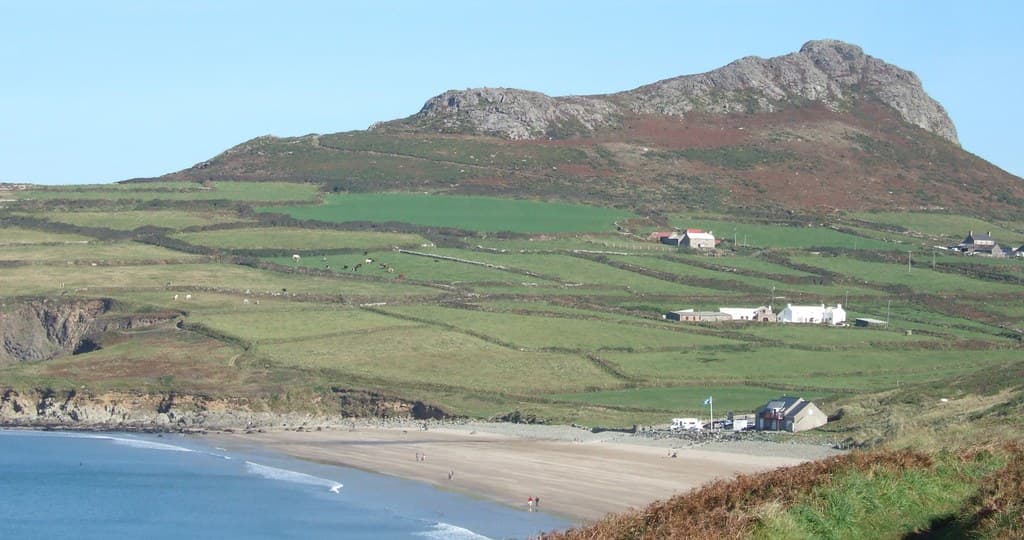
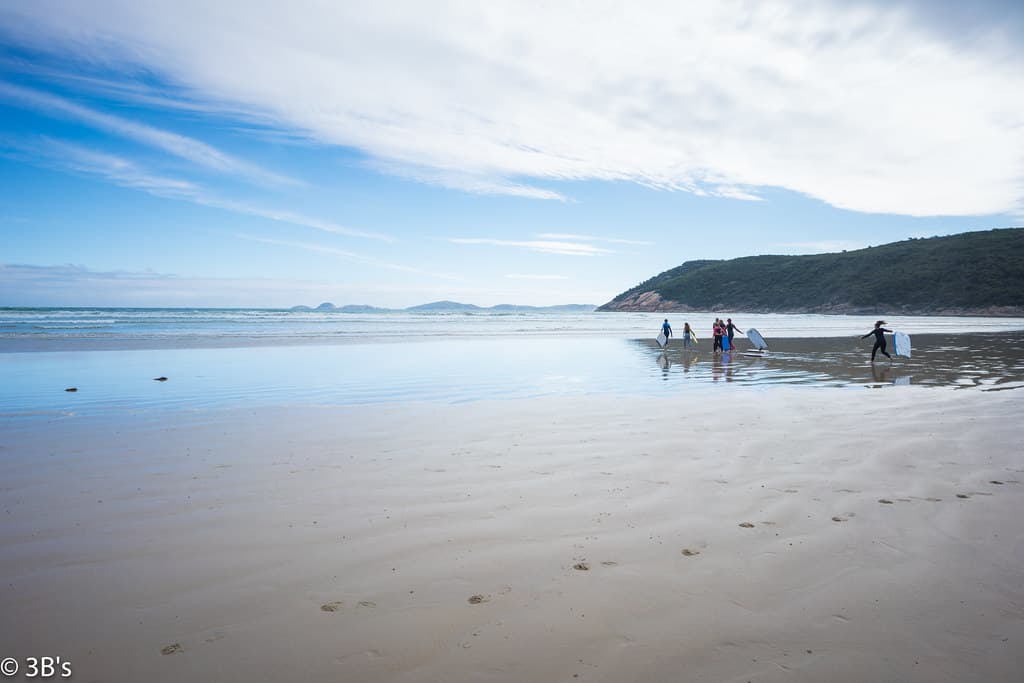
You'll hear the waves before you see the sand—a muffled hush filtering through she-oak branches as the track descends from Tidal River's southern edge. Then the forest opens onto a crescent of blonde sand no wider than a football pitch, hemmed by lichen-splotched granite and backed by coastal scrub that smells of eucalyptus and salt. The water here sits shallow for thirty meters out, warming in the sun until it feels like bathwater against your shins, a private contrast to the churn beyond the headlands.
Mornings bring eastern swallows skimming the shoreline and the occasional echidna nosing through tussock grass. By midday, families settle under the lone stand of coast banksias near the eastern rocks, where a natural windbreak makes lunch possible even when southerlies gust. The absence of facilities—no bins, no toilets, no phone signal—keeps crowds thin, though you'll rarely have the bay entirely to yourself during school holidays.
 Credit: Unsplash
green trees on brown sand near body of water during daytime
 Credit: Unsplash
a body of water surrounded by a sandy beach
Tepid lagoon, safe for toddlers
Continue thirty minutes to Big Oberon
Starfish and anemones at low tide
Where it is
Little Oberon Bay
Tidal River, Victoria, Australia
-39.001500°, 146.410000°
Weather
Loading…
Swell
—
Temp
Warm · Restorative
UV Index
Moderate
Wind
—
Tidal State
Last known
Max Sunlight
—
Ideal Shade
—
Jan - Dec (Peak)
Mar - Nov (Off-season)
Historical data suggests peak visibility and stable sea temperatures occur during the prime visitation window.
Select a category to load nearby places.
Unlock restaurants, luxury stays and curated maritime experiences within 2km
Little Oberon Bay is generally safe for swimming during calm conditions, but caution is advised. The beach is sheltered, making it safer than many ocean beaches, though conditions can change quickly. There are no lifeguard services or flags, so swimmers need to assess conditions themselves. Check with Parks Victoria or the Tidal River Visitor Centre before swimming. Always supervise children closely, avoid swimming alone, and be aware of currents and marine life. The remote location means help is not immediately available in emergencies.
Little Oberon Bay can be visited year-round, though each season offers different experiences. Summer (December-February) provides warm weather ideal for swimming and beach activities, but this is peak season with more visitors. Autumn and spring offer milder temperatures, fewer crowds, and excellent conditions for hiking. Winter can be cooler and windier but provides solitude and dramatic coastal scenery. Weather in Wilsons Promontory can be unpredictable regardless of season, so always bring layers and check forecasts before your visit.
Little Oberon Bay is only accessible by foot via a scenic walking track from Tidal River. The hike is approximately 3 kilometres one-way and takes around 1.5 hours, featuring some steep sections but manageable for most fitness levels. Park your vehicle at the main Tidal River car park, where day-visitor and camper parking is available. During peak periods, parking can fill quickly, so arrive early. A Parks Victoria park entry fee applies. The track is well-marked, passing through stunning coastal vegetation before descending to the beach.
Little Oberon Bay has no facilities, food outlets, or amenities—it's a pristine, undeveloped beach. Visitors must bring all supplies, including water, food, and sun protection. There are no toilets or shelters at the beach itself. Tidal River, the starting point for the walk, has a general store with basic supplies, camping facilities, and limited food options, though choices are restricted. For comprehensive shopping and dining, stock up before entering Wilsons Promontory National Park. Practice Leave No Trace principles and carry out all rubbish.
Little Oberon Bay offers excellent wildlife viewing opportunities, particularly in the early morning or late afternoon. Wallabies and wombats often frequent the beach and surrounding heathland, while native birds are abundant throughout the area. Offshore, you may spot seals, dolphins, or migrating whales during winter months. The pristine environment supports diverse marine life in rock pools at low tide. Remember to observe wildlife from a respectful distance, never feed animals, and store food securely to protect both wildlife and yourself from unwanted encounters.
Photos