Counting the waves…
Counting the waves…

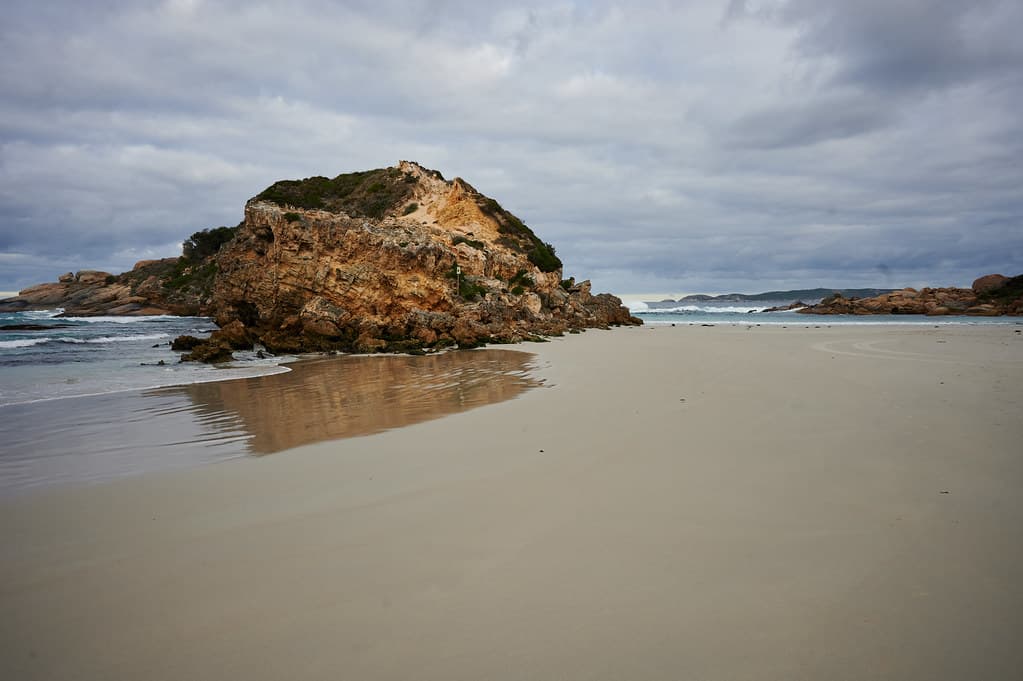
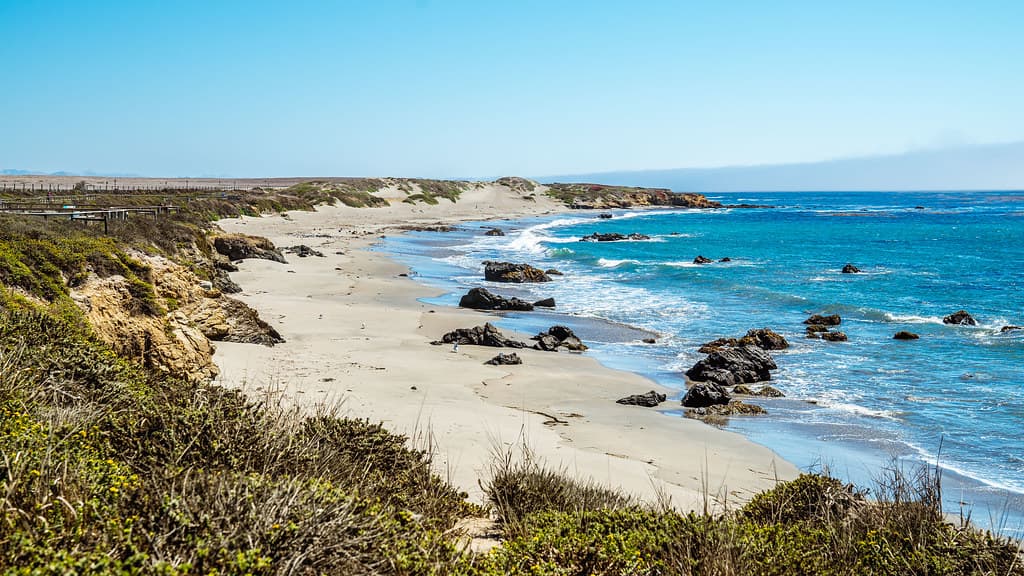
The boulders arrive first—immense, elephant-gray domes and jagged slabs that crowd the shoreline like a herd frozen mid-approach to the sea. You'll duck between them, hands brushing lichen-patched surfaces, until the cove opens: a crescent of bone-white sand where the Indian Ocean pools in shades of jade and sapphire. The rocks create natural breakwaters, calming the swell into gentle lapping waves that barely reach your knees twenty meters out. Mid-morning, the sun angles through the gaps, casting slow-moving shadows across sand rippled by yesterday's tide. Families claim boulders as windbreaks; couples wade to the far edge where deeper water glows cobalt against the granite. The stone holds heat, offering warm perches for drying off between swims, and the formation funnels breezes into pockets of stillness even on gusty afternoons. A timber boardwalk threads through coastal heath to deliver you here, but the real arrival happens when you round that first massive boulder and see the whole tableau—rock, water, sky—composed like a postcard you'll try and fail to capture on your phone. Pack a picnic, claim your stone, and plan for hours. The tide changes the geometry but never the magic.
Places, rentals, tours and events within walking and driving distance of Elephant Rocks Beach.
Photos
Elephant Rocks Beach is generally safe for swimming, particularly in the sheltered areas between the large granite boulders. The rock formations create natural pools and barriers that protect swimmers from strong currents and waves. However, conditions can vary with weather and tides, so always check local conditions before entering the water. The beach is particularly suitable for families with children due to the calmer waters in the protected sections. Avoid swimming during storms or when warning signs are posted, and supervise children closely around rocks.
Elephant Rocks Beach can be visited year-round, with each season offering different experiences. Summer (December-February) provides warm weather ideal for swimming and beach activities, though it's the busiest period. Spring and autumn offer mild temperatures and fewer crowds, making them excellent for photography and exploration. Winter (June-August) can be cooler with occasional rain, but the dramatic weather and waves create spectacular scenery. Early morning or late afternoon visits provide the best lighting for photographing the iconic rock formations and typically mean fewer visitors.
Elephant Rocks Beach is located approximately 20 kilometers west of Albany's town center, about a 20-minute drive. Follow Frenchman Bay Road and follow signs to Elephant Rocks. There's a designated car park at the beach with ample parking spaces, which is free to use. The parking area is well-maintained and provides easy access to the beach via a short walking path. The beach is clearly signposted and accessible by regular vehicles. Public transport options to this beach are limited, so driving is the most practical option for visitors.
Elephant Rocks Beach has basic facilities including toilets and picnic areas, but no cafes or food vendors on-site, so bring your own refreshments and snacks. The nearest town, Albany, offers extensive dining, shopping, and accommodation options including hotels, caravan parks, and vacation rentals. Some visitors stay at nearby Emu Point or Middleton Beach for closer access. The beach has limited shade, so bring sun protection. For a full day visit, pack a picnic and plenty of water, as the closest services are back toward Albany town center.
The beach gets its name from the massive granite boulders that resemble bathing elephants when viewed from certain angles. These ancient rock formations were shaped by millions of years of weathering and erosion. While walking around and on some of the lower rocks is possible and popular for photography, extreme caution is necessary as surfaces can be slippery, especially when wet. There are no official climbing restrictions, but visitors should use common sense and wear appropriate footwear. The rocks create stunning natural sculptures that are best appreciated from multiple viewpoints around the beach.