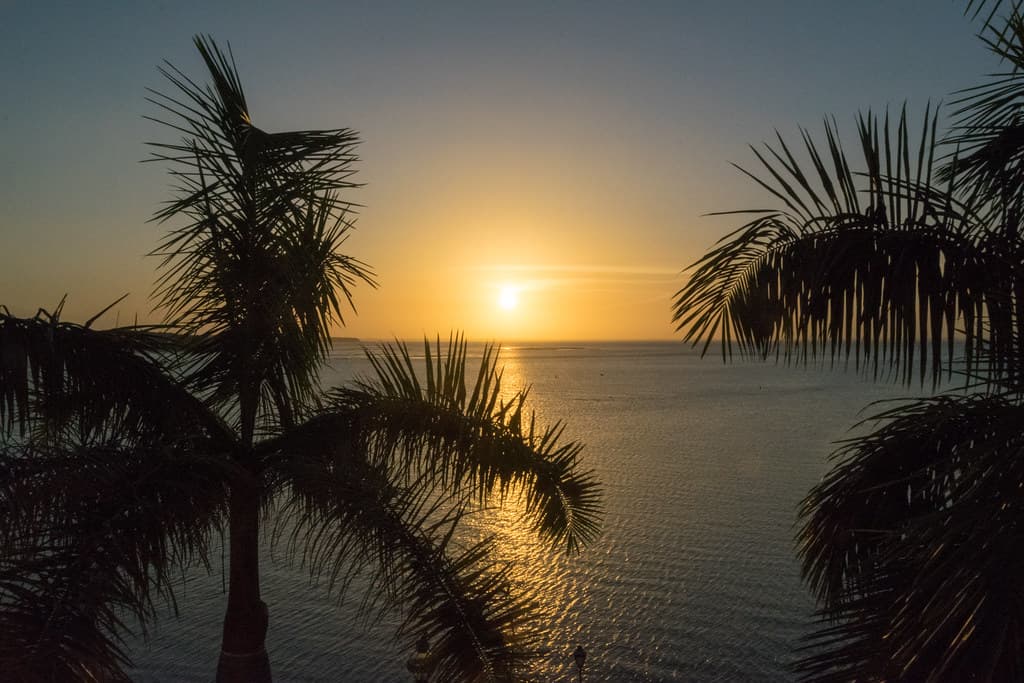
Counting the waves…
Counting the waves…
The final approach requires local knowledge or good fortune—GPS coordinates drift uselessly as landmarks disappear in dune fields that reshape with seasonal winds. You'll know you've arrived when the vegetation changes, tough beach grasses and scattered shrubs replacing the inland scrub, and then the ocean appears, startlingly blue against beige sand. Unlike developed beaches, no barracas or vendor stalls interrupt the natural line where sand meets vegetation. The beach simply exists, used by occasional fishermen and the rare visitor who's done their research. Reef structures parallel the shore about two hundred meters out, dark shadows beneath the water's surface visible from the beach. At high tide, waves break over these coral formations, sending white water cascading toward shore. But it's low tide that reveals Guajiru's secret: as water recedes, pools form among the exposed reef, each one isolated and teeming with trapped marine life. You'll wade across shallow sections, water warm around your ankles, then peer into these natural aquariums where fish dart between coral heads, sea urchins cluster in crevices, and occasionally a small ray glides across sand patches. The beach itself curves gently, backed by low dunes stabilized by salt-resistant vegetation. Driftwood bleached silver by sun and salt litters the high-tide line, along with fishing floats that drifted across the Atlantic from West Africa. You might see a single fisherman checking nets strung between wooden posts, but often the beach remains entirely empty, a condition increasingly rare along Brazil's coast.

Places, rentals, tours and events within walking and driving distance of Praia de Guajiru.
Photos
Praia de Guajiru's calm waters generally provide safe swimming conditions, particularly appealing for those seeking peaceful beach experiences. The presence of reefs can create protected areas with gentler waves. However, always exercise caution around reef areas to avoid cuts or injuries from sharp coral or rocks. As a less developed, hidden beach, lifeguard services may be limited or absent, so swim responsibly and assess conditions yourself. Avoid swimming alone and be aware of tidal changes. The tranquil nature makes it suitable for relaxed swimming, but basic water safety remains essential.
Praia de Guajiru is already known as a hidden, tranquil beach, so it naturally sees fewer crowds than major tourist destinations. For the least crowded experience, visit during weekdays outside Brazilian school holidays and major festivals. The shoulder seasons between peak tourist periods offer excellent conditions with minimal visitors. Early mornings and late afternoons provide the most peaceful moments. Since it's recommended for less crowded times generally, the beach maintains its serene character throughout most periods. The remote location naturally limits visitor numbers, making most visits relatively private and peaceful.
Reaching Praia de Guajiru requires some planning as it's a more remote, hidden beach. From Santo Amaro do Maranhão, you'll likely need local transportation such as a hired vehicle or arranged tour. The journey may involve unpaved roads or paths depending on the exact location. Due to the beach's hidden nature, consider hiring a local guide or using a tour operator familiar with the area. Ask locals in Santo Amaro for specific directions and current road conditions. A 4WD vehicle may be beneficial depending on the route and season. Plan adequate time for the journey.
As a hidden, tranquil beach, Praia de Guajiru has minimal commercial development. Food options may be limited to basic beach vendors or small local establishments, if any. It's advisable to bring your own food, water, and supplies for the day. Accommodation directly at the beach is likely limited or non-existent. Most visitors stay in Santo Amaro do Maranhão or nearby towns and visit as a day trip. The lack of infrastructure is part of the beach's appeal for those seeking peaceful retreats. Plan accordingly and ensure you have essentials before arriving at this remote location.
Praia de Guajiru features reef formations that create interesting snorkeling opportunities in a tranquil, uncrowded setting. The reefs provide habitat for various marine species, offering glimpses of coastal underwater life. The calm waters enhance visibility and make snorkeling more comfortable and safe. Unlike busy tourist beaches, the undeveloped nature means less disturbance to marine ecosystems. The peaceful atmosphere allows for a more meditative, immersive snorkeling experience. However, as a hidden beach, facilities like equipment rental may be unavailable, so bring your own gear. The combination of reefs and serenity creates a special snorkeling environment.