Counting the waves…
Counting the waves…
A refined fusion of water purity, environmental stability, and communal vibrancy for Mundemba Beach.
View MethodologyAnalyzed via live sensors and environmental data.
Wave height, wind, and atmospheric stability.
Live footfall and crowd balance metrics.
Community reviews and curated sentiment.
“You'll arrive by boat unless you're willing to hack through coastal forest for hours. The beach sits where the Mundemba River widens into the Atlantic, its sand darker than charcoal, its solitude absolute except for the…”
Limited recent visitor reports — live OBI telemetry is your best guide for current conditions.
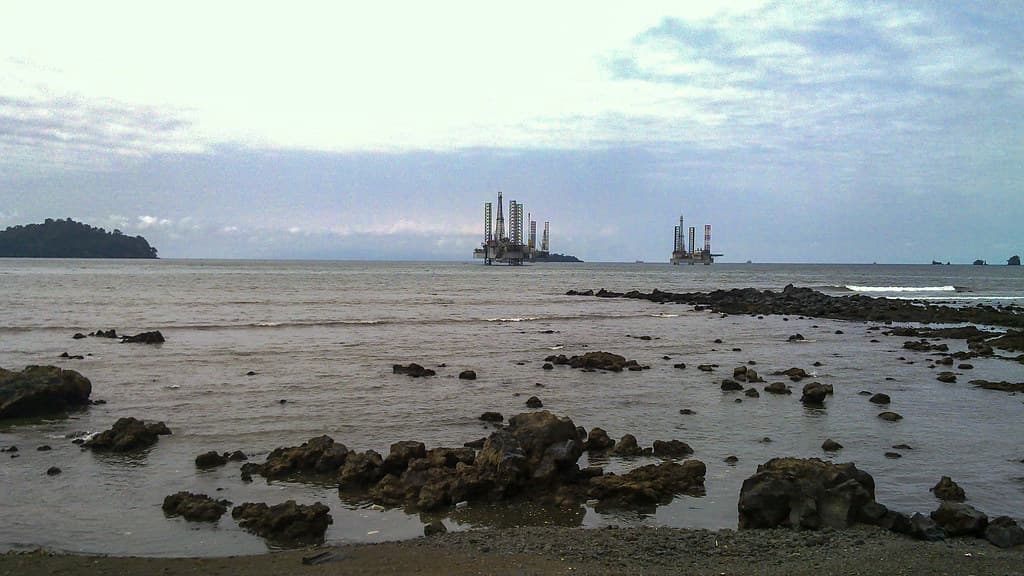
The journey to Mundemba Beach is half the experience—motorized pirogue threading through mangrove channels, branches scraping the boat's sides, the air thick with brine and decomposing vegetation. When the mangroves finally release you, the beach appears suddenly, a dark crescent where river mouth and ocean merge. The sand here is nearly black, fine-grained volcanic sediment deposited over millennia.
You won't find footprints from previous visitors; the tide erases everything twice daily. Driftwood accumulates at the high-tide line, massive logs carried down from interior forests during rainy season floods. Hermit crabs patrol the wrack line, and monitor lizards sun themselves on bleached tree trunks. The water stays murky from river sediment, but it's refreshingly cool, the current noticeable where fresh water pushes against incoming tides.
 Credit: Unsplash
Green cliffs meet the turquoise ocean with a small beach
 Credit: Unsplash
Coastal cliffs overlooking a calm blue ocean with sandy beach
Channel navigation by paddle
Monitor lizards and shorebirds
Freshwater meets saltwater currents
Prime Visitation
Less Crowds
Where it is
Mundemba Beach
Limbe, South West, Cameroon
4.085000°, 9.308500°
Weather
Loading…
Swell
—
Temp
Warm · Restorative
UV Index
Moderate
Wind
—
Tidal State
Last known
Max Sunlight
—
Ideal Shade
—
Jan - Dec (Peak)
May - Nov (Off-season)
Historical data suggests peak visibility and stable sea temperatures occur during the prime visitation window.
Select a category to load nearby places.
Unlock restaurants, luxury stays and curated maritime experiences within 2km
Swimming conditions at Mundemba Beach should be assessed carefully as this remote location has no lifeguard services or formal safety infrastructure. Water conditions can vary, so it's essential to check with local residents before swimming. The beach's secluded nature means fewer people are around in case of emergencies, so never swim alone. Currents and tides should be respected. The remote setting requires self-reliance and good judgment regarding water safety. Local knowledge is invaluable for safe beach activities.
Mundemba Beach naturally has fewer crowds year-round due to its remote location. For the most tranquil experience with minimal visitors, weekdays are quieter than weekends. The rainy season from June to October sees the fewest travelers, though weather can be challenging. The dry season from November to February offers better weather while still maintaining peaceful conditions. Since this beach is off the beaten path, even during peak tourist season, you'll likely experience solitude and natural tranquility.
Reaching Mundemba Beach requires planning as it's a remote location. From Limbe, you'll need to arrange private transport or a combination of vehicles toward the Mundemba area. The journey can take several hours depending on road conditions, which may be challenging. Four-wheel drive vehicles are recommended, especially during rainy season. Consult with local guides or tour operators in Limbe for current access information and transport arrangements. The remote nature means public transport options are limited.
Mundemba Beach is remote with very limited tourist facilities. Basic accommodation may be available in nearby communities, but options are minimal and rustic. Most visitors should plan to be self-sufficient or arrange stays through local contacts. Food options will be simple, local fare, with limited restaurants. Fresh fish may be available from local fishermen. For comfort and amenities, consider staying in Limbe and visiting as a well-planned day trip. Bring supplies, water, and snacks for your visit.
Mundemba Beach offers unparalleled tranquility and solitude for travelers seeking complete escape from crowds and tourism. The remote location means an authentic, unspoiled coastal experience with minimal development. It's ideal for adventurous travelers who value pristine natural settings over amenities. The journey itself becomes part of the adventure, rewarding visitors with a hidden gem few tourists reach. You'll experience genuine local culture and undisturbed natural beauty, making it perfect for those seeking true remoteness and peaceful contemplation.
Photos