Counting the waves…
Counting the waves…
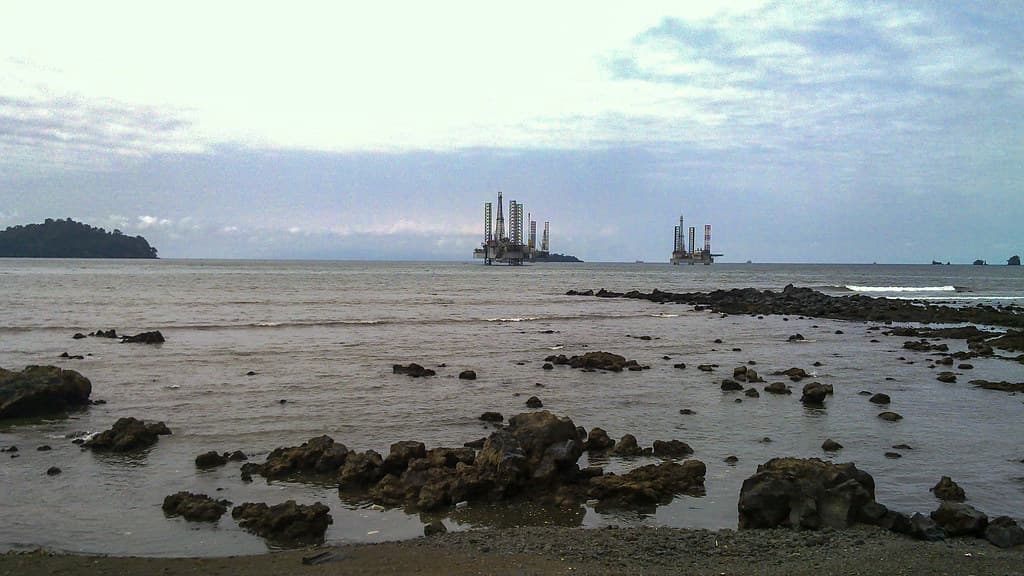
You reach Tiko Beach through avenues of oil palms and cocoa farms, the road narrowing until asphalt gives way to red laterite. The beach materializes gradually—first mangrove fingers stretching into the Atlantic, then fishing camps with smoke-blackened drying racks, finally the shore itself where volcanic sand mingles with river sediment. The water here tastes less salty, diluted by freshwater seeping through the coastal wetlands. Fishermen launch canoes through gentle surf at dawn and dusk, timing their departures to tidal rhythms you're only beginning to understand. You watch them vanish into morning haze, paddling toward invisible fishing grounds they've known since childhood. By midday, the beach empties except for women mending nets in the shade of beached boats, their hands moving in patterns passed down through generations. The sound of the ocean mixes with bird calls from the mangroves—herons, kingfishers, the occasional fish eagle's cry. Unlike Limbe's busier shores, nobody here sells you anything. A fisherman might offer you smoked bonga if you've been watching respectfully. Children playing football pause their game to stare, curious but shy. The Atlantic stretches uninterrupted to your right, while landward the mangroves create a green wall that hums with insect life. You've found the Cameroon coast as it existed before tourism, working and wild in equal measure.

Places, rentals, tours and events within walking and driving distance of Tiko Beach.
Photos
Swimming safety at Tiko Beach depends on daily conditions including tides, currents, and weather. As a beach popular with locals, you can often gauge conditions by observing where and when local people swim. However, formal lifeguard services may be limited, so exercise personal caution and good judgment. Swimming during daylight hours is recommended, and it's wise to ask locals about any hazards or safer swimming zones. Avoid swimming alone and stay within comfortable depths. Being aware of your surroundings and respecting ocean conditions will help ensure a safe beach experience.
Tiko Beach is best visited during the dry season from November to March when weather conditions are most favorable with minimal rainfall and comfortable temperatures. During this period, you'll enjoy clearer skies and calmer seas ideal for beach activities. The beach can be quieter on weekdays compared to weekends when more local families visit. Mornings and late afternoons offer pleasant temperatures and good lighting. While accessible throughout the year, the rainy season from June to September brings heavier precipitation that may limit beach enjoyment and outdoor activities along the coast.
Tiko Beach is located in the Tiko area near Limbe in Cameroon's South West Region. Access is possible from both Tiko town and Limbe, which are connected by road. From either location, you can hire a taxi or motorcycle taxi to reach the beach. If coming from Douala or other major cities, you'll typically travel to Limbe or Tiko first. The beach is relatively accessible compared to some more remote coastal spots in the region. Local drivers know the area well, making navigation straightforward, though having clear directions is always helpful.
Tiko Beach, being popular with locals, may have more informal food options than some quieter beaches, including local vendors selling snacks, drinks, and fresh seafood like grilled fish. However, facilities remain relatively basic. For accommodation, you'll find options in both Tiko town and nearby Limbe, ranging from budget guesthouses to more comfortable hotels. Limbe generally offers a wider variety of lodging and dining choices. Many visitors stay in Limbe and make Tiko Beach a day trip. Bringing your own refreshments is still advisable to ensure you have everything needed.
Tiko Beach attracts locals because it offers a quieter, less touristy alternative to the main Limbe Beach while still being accessible and scenic. The beach provides an authentic local atmosphere where you can experience Cameroonian coastal culture naturally. Locals appreciate the more relaxed vibe and the opportunity to enjoy the beach without large tourist crowds. The combination of scenic beauty, accessibility from Tiko and Limbe, and genuine local character makes it appealing for families and residents seeking a beach day. For visitors, this local popularity offers cultural insight and a more authentic coastal experience.