Counting the waves…
Counting the waves…
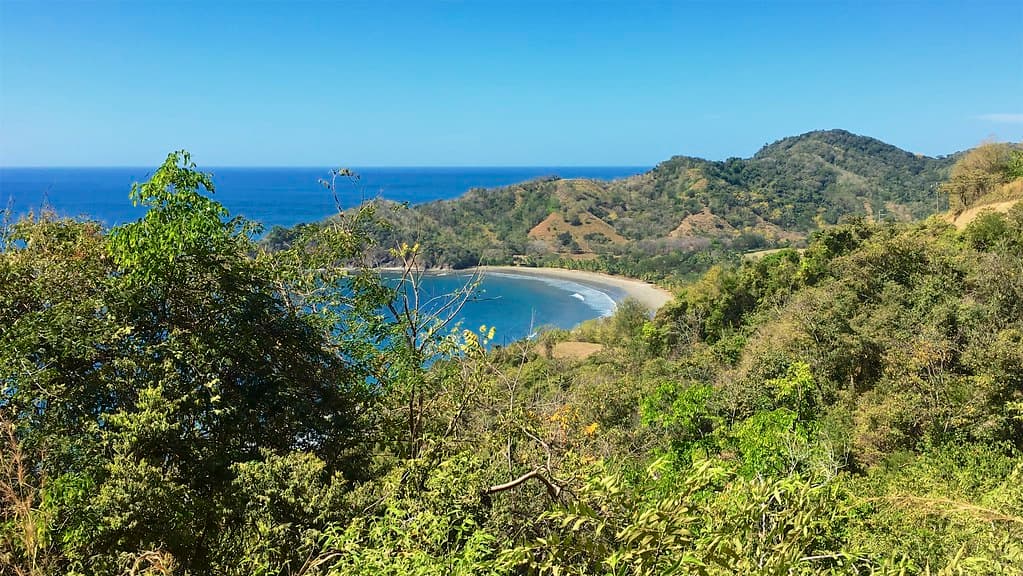
The beach runs in a nearly straight line from headland to headland, unbroken except for driftwood logs the size of telephone poles and the occasional creek mouth cutting channels through the sand. The color here is darker than most Pacific strands—volcanic minerals give it a gunmetal hue that contrasts sharply with the white foam of the shore break. Offshore, the swells organize themselves into clean peaks that peel left and right over sandbars, powerful enough to require respect but forgiving enough that intermediate surfers can handle them on the right day. You'll see more howler monkeys than people, more frigatebirds than fishermen. During the rainy months—July through December—olive ridley turtles crawl ashore in synchronized arribadas, thousands of animals converging on the beach in a single night to excavate nests and deposit their eggs. Even outside nesting season you'll spot tracks crossing the sand at first light, proof that solitary turtles still choose this beach over more accessible alternatives. The refuge prohibits dogs, horses, and vehicle traffic, which means the strand stays pristine in a way that developed beaches never manage—no tire ruts, no hoof prints, just the record of tide and wind and the occasional human footprint already softening in the next wave's reach. The sunsets here are operatic: the horizon line runs unobstructed for miles, and as the sun descends it ignites the cloud deck in shades of copper and magenta that reflect off the wet sand and turn the whole beach into a mirror. You'll understand why photographers haul tripods down the access trail and why surfers time their sessions to end with those final minutes of light, floating beyond the break as the day bleeds into the Pacific.
Places, rentals, tours and events within walking and driving distance of Playa Camaronal.
Photos
Playa Camaronal features open surf conditions that can be powerful and challenging, making it less suitable for casual swimming. Strong currents and waves are common, so only confident swimmers should enter the water. There are no lifeguards at this wildlife refuge beach. The rugged, natural setting means limited nearby assistance in emergencies. Rip currents can occur, so if caught in one, swim parallel to shore rather than fighting against it. The beach is better suited for experienced surfers and beachcombing rather than family swimming.
The dry season from December to April provides the best weather with sunny days ideal for beach activities and sunset viewing. However, the beach is marked for less crowded visits year-round, making it appealing during shoulder seasons as well. If you're interested in sea turtle nesting, visit between June and December when various species come ashore, though access may be restricted to protect wildlife. Sunsets are spectacular throughout the year. Early morning and late afternoon visits offer cooler temperatures and beautiful light for the scenic landscape.
Playa Camaronal is located south of Puerto Carrillo, accessible via coastal roads that may require four-wheel drive, especially during rainy season. The beach is part of a wildlife refuge, and access points may vary. From Carrillo, head south and follow signs toward the refuge, though roads can be rough and poorly marked. A rental car with good clearance is recommended. Local guides or tour operators can provide the most current access information. The remote location is part of its appeal, so plan accordingly with supplies and a full tank of gas.
Playa Camaronal has very limited facilities due to its wildlife refuge status and remote location. Visitors typically stay in Puerto Carrillo or Sámara, both offering various accommodations and dining options. Bring food, water, and supplies as you won't find beach vendors or restaurants at this natural beach. Some eco-lodges may exist in the surrounding area, but options are minimal compared to more developed beaches. The lack of commercial development protects the refuge's natural character and nesting turtle habitat, making this a true wilderness beach experience.
Playa Camaronal's designation as a wildlife refuge protects important sea turtle nesting habitat, making it ecologically significant. The rugged, natural setting remains largely undeveloped, offering a wild coastal experience without commercial intrusion. Multiple turtle species nest here seasonally, and conservation efforts may allow guided night tours during nesting season. The open surf and scenic coastline attract surfers and nature lovers seeking pristine environments. Unlike developed tourist beaches, Camaronal maintains its raw beauty and ecological integrity, providing a glimpse of Costa Rica's Pacific coast in its natural state.