
Counting the waves…
Counting the waves…

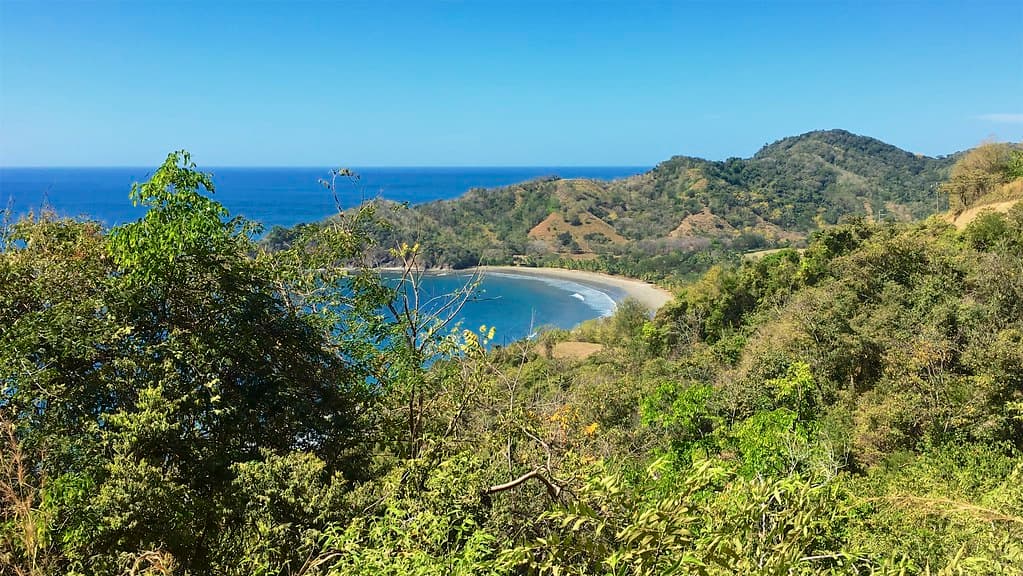
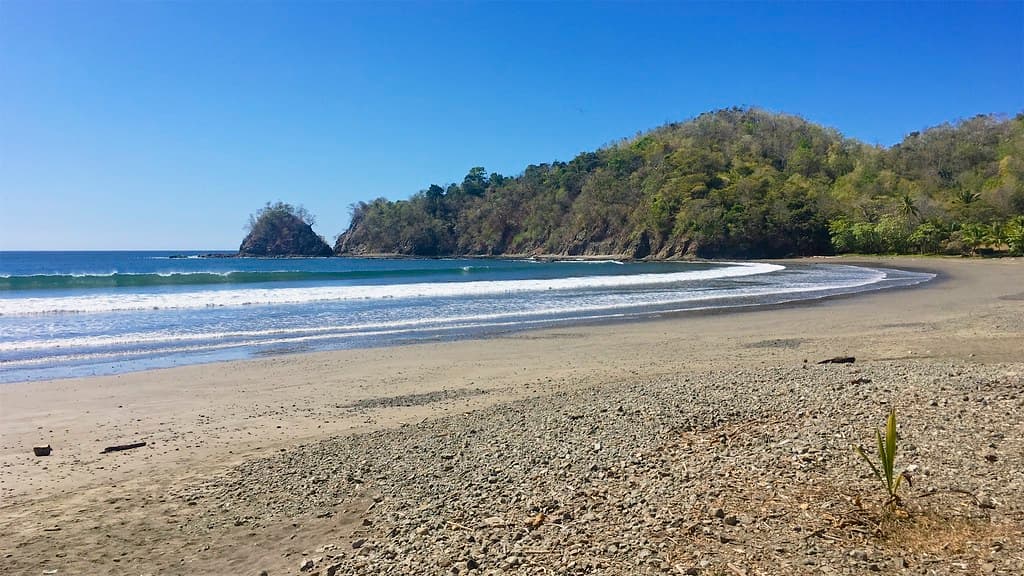
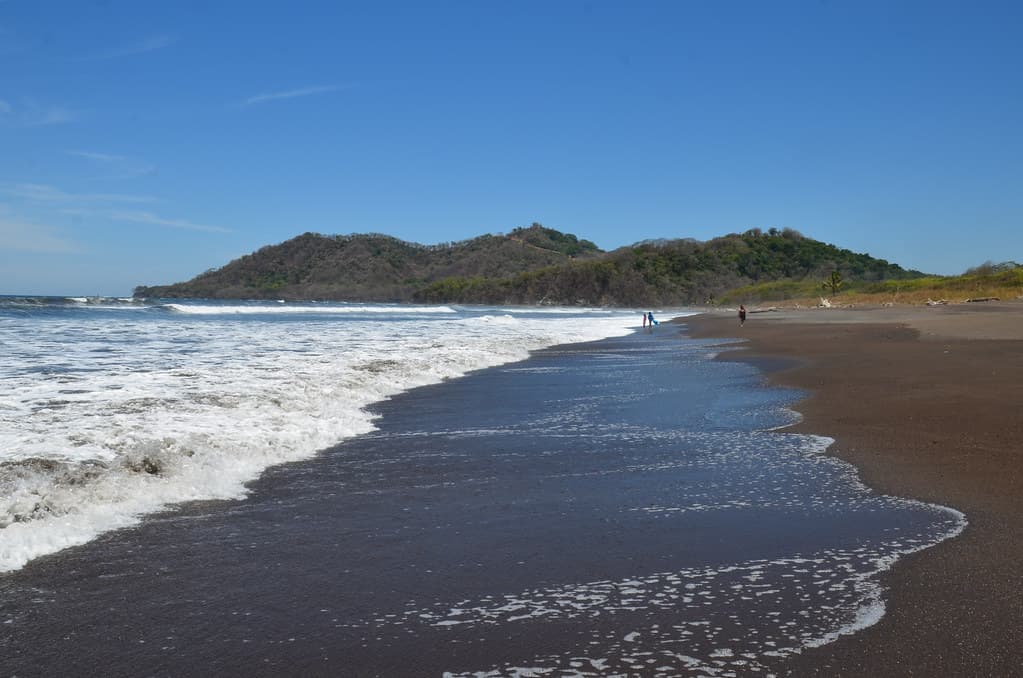
You'll either hike the goat trail over the southern point at low tide or convince a fisherman in Islita to drop you by panga. Either way, arrival feels like trespassing on a secret. Playa Pilas occupies a scallop in the coastline, hemmed by dark rock on both sides and open to the southwest swell. The sand here is peppered with shell fragments and stone, and the beach is narrow—twenty paces from treeline to water at high tide. The rocks steal the show. Tide pools pock the shelves at either end of the cove, filled with urchins, anemones, and the occasional octopus flexing its way between crevices. Herons work the shallows at dawn, spearing breakfast with the precision of surgeons. The water is too rough for casual swimming most days, but snorkeling the rock line on a calm morning reveals schools of snapper and parrotfish bulldozing algae off the stone. There's no trail maintenance, no signage, no beach bar. Playa Pilas exists because the topography allowed it, and it remains quiet because access requires intent. You'll pack in what you need and pack out what you bring. The reward is a cove that feels like yours alone, a place where the discovery is the point and the beach itself is simply the stage.
Places, rentals, tours and events within walking and driving distance of Playa Pilas.
Photos
Swimming at Playa Pilas should be approached cautiously. As a small cove, it offers some protection from open ocean swells, but Pacific currents can still be unpredictable. The beach has no lifeguards or safety equipment. Rocky areas within the cove require careful navigation. Always assess current conditions before entering the water, avoid swimming during high surf, and never swim alone in this remote location. The cove is better suited for wading and enjoying the scenery than serious swimming.
Visit Playa Pilas during dry season (December-April) for optimal weather and easier access. The beach is particularly magical at sunset, when the cove's western exposure creates stunning light displays over the Pacific. Early morning visits offer peaceful solitude and good light for photography. Weekdays during shoulder season (May or November) provide the best balance of decent weather and minimal crowds. Avoid rainy season afternoons when access roads become challenging and visibility diminishes. Time your visit with lower tides for easier beach exploration.
Accessing Playa Pilas typically requires boat transportation or challenging overland routes, as the name suggests it's boat-friendly. From Punta Islita, you may arrange boat transfers through local operators or hotels. Overland access involves rough, unpaved roads requiring 4WD vehicles and local knowledge—roads may not be clearly marked. Some adventurous travelers reach it by hiking from adjacent beaches during low tide. Due to its hidden nature, consider hiring a local guide or arranging access through your accommodation for the safest, most efficient visit.
Playa Pilas has no on-site facilities, restaurants, or accommodations. It's a completely undeveloped natural cove. The nearest services are in Punta Islita village, a short distance away, where you'll find hotels ranging from boutique properties to vacation rentals, plus local sodas and restaurants serving Costa Rican cuisine. Pack everything you need for your beach visit: water, snacks, sun protection, and any supplies. Most visitors base themselves in Punta Islita and treat Playa Pilas as a half-day excursion or discovery stop.
Playa Pilas offers genuine discovery appeal beyond the more accessible main Punta Islita beach. Its remote location means you'll likely experience true seclusion, perfect for couples or travelers seeking off-the-beaten-path experiences. The cove's natural beauty provides excellent photography opportunities and a sense of adventure. The effort required to reach it—whether by boat or rugged road—ensures fewer visitors and unspoiled surroundings. It's ideal for those who value exploration and tranquility over convenience and amenities, adding authentic coastal discovery to your Guanacaste itinerary.