Counting the wavesβ¦
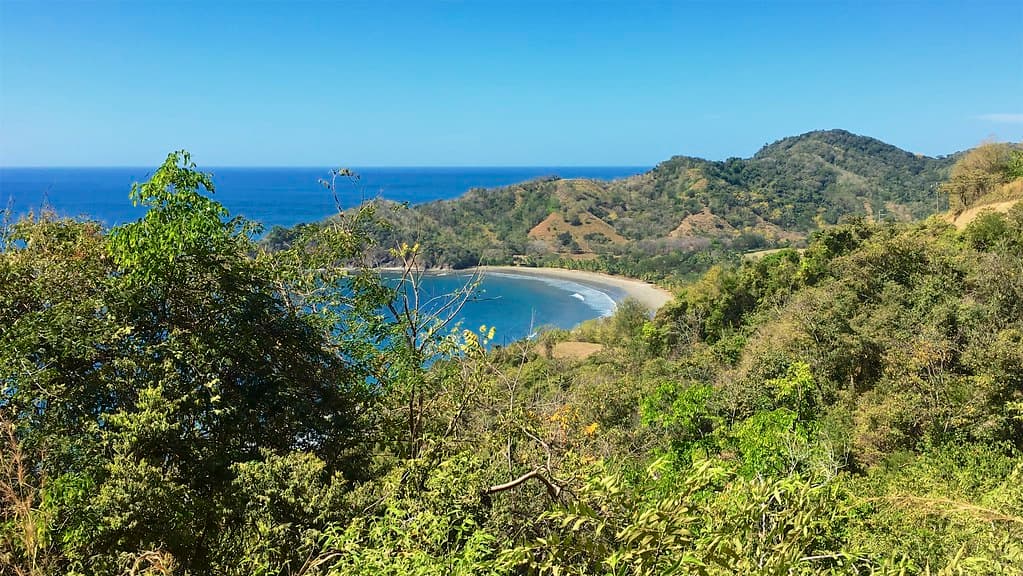
The trail starts where the main coast path forks seaward, descending through a tangle of thorny acacias and sun-bleached grasses that scratch at your calves. Below, the cove sits in shadow for much of the morning, the cliffs blocking direct sun until midday. The sand is fine-grained, almost powder, collected in a narrow band between the rockfall and the waterline. Driftwood leans against the boulders, smoothed gray by salt and time. At low tide, the northern rocks become a maze of pools where purple sea urchins cling to basalt and hermit crabs scuttle between anemones. The water inside the cove is calmer than the open coast, sheltered by the point, though you'll still hear the percussion of waves hitting the outer reef. Snorkeling is possible near the rocks, where parrotfish graze on algae and sergeant majors dart through the shallows in black-and-yellow flashes. Few people make the effort to reach El Roble, and those who do tend to linger, spreading sarongs on the sand and reading in the filtered light. The isolation is near-totalβno boat traffic, no beachcombers, just the occasional brown pelican gliding past at eye level. By mid-afternoon, the sun swings overhead, flooding the cove with light and heat that sends most visitors back up the trail to cooler elevations.
Places, rentals, tours and events within walking and driving distance of Playa El Roble.
Photos
Swimming conditions at Playa El Roble vary with tides and seasons. As a small natural cove, it's generally more protected than open beaches, but Pacific currents can still be strong. Always check water conditions before entering, watch for rocks near the shore, and avoid swimming alone. There are no lifeguards on duty. The cove's secluded nature means help isn't immediately available, so exercise caution and stay close to shore if you're not a confident swimmer.
The dry season from December through April offers the best weather with sunny skies and calmer seas. However, visiting during the shoulder months of May or November provides fewer crowds while still maintaining decent conditions. Early mornings are ideal for photography and peaceful beach walks. The wet season brings afternoon rains but also lush green landscapes. For the quietest experience, visit on weekdays outside Costa Rican and international holiday periods when even this hidden cove sees minimal visitors.
Playa El Roble is located along the Punta Islita shoreline in southern Guanacaste. Access typically requires a 4WD vehicle due to unpaved coastal roads. From Punta Islita village, follow local coastal paths or arrange guidance through your accommodation. The beach isn't directly signposted, so GPS coordinates or local knowledge help. Some visitors reach it by walking from nearby beaches at low tide or by boat. The journey is part of the adventure, rewarding those seeking truly secluded spots.
Playa El Roble itself has no facilities, as it's a small, undeveloped natural cove. The closest accommodations and restaurants are in Punta Islita, which offers a range of options from the luxury Hotel Punta Islita to smaller local rentals. The village has a few sodas (casual Costa Rican eateries) serving traditional meals. Come prepared with water, snacks, and sun protection, as there are no services directly at the beach. Most visitors treat it as a scenic day trip.
Playa El Roble stands out as a genuinely hidden natural cove rather than a developed beach destination. Its intimate size and rock-framed setting create a private, romantic atmosphere perfect for couples seeking seclusion. Unlike busier Guanacaste beaches, you'll likely have the sand to yourself. The cove's scenic beauty makes it ideal for quiet contemplation, sunbathing, and photography rather than activities or water sports. It's best appreciated as a peaceful discovery stop for travelers exploring the Punta Islita coastline.