
Counting the waves…
Counting the waves…

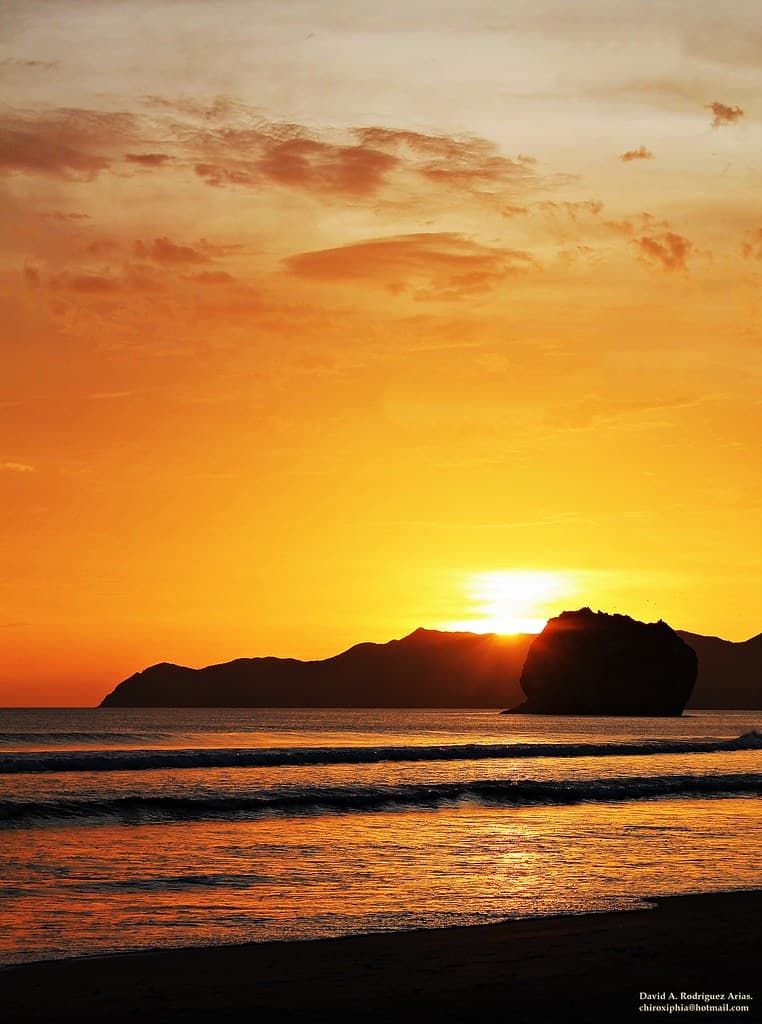
The panga pilot cuts the engine and tilts the outboard as you glide into water clear enough to count the stones below. Roble appears as a narrow bite in the coastline, its sand the color of wet clay, flanked by dark volcanic shelves that jut into the surf like broken teeth. You wade ashore through ankle-deep wavelets, feeling the temperature drop where freshwater seeps from the cliff base mix with salt. The cove measures barely two hundred meters end to end, enclosed by walls of stone covered in barnacles and orange lichen. At low tide, pools form in the pitted rock, each one a miniature ecosystem: sally lightfoot crabs scuttling sideways, anemones pulsing, schools of sergeant majors flashing their bars. The sand is coarse, mixed with fragments of shell and coral, and it squeaks underfoot when dry. Above the beach, the forest presses close—a thicket of thornscrub and strangler fig where iguanas bask on sun-warmed boulders. The isolation is near-total; even the boat that brought you disappears around the point, leaving only the slap of small waves against rock and the occasional screech of a parrot. When the wind shifts onshore, you taste salt on your lips and smell the iodine richness of exposed tide pools baking under the equatorial sun.
Places, rentals, tours and events within walking and driving distance of Playa Roble.
Photos
Swimming conditions at Playa Roble can be challenging due to its remote location and variable ocean conditions. The Pacific waters here may have strong currents and waves, particularly during the wet season. There are no lifeguards or safety facilities on this isolated beach. Always assess conditions carefully before entering the water, avoid swimming alone, and stay close to shore. The beach's remoteness means help is far away in emergencies, so exercise extra caution and prioritize safety.
The dry season from December to April offers the best access conditions and clearer skies for enjoying Playa Roble's scenic beauty. During these months, trails and access routes are more manageable. The wet season (May-November) brings challenging terrain and rougher seas, though you'll encounter even fewer visitors. Early mornings provide the calmest conditions and best wildlife viewing opportunities. Since this beach sees minimal crowds year-round, you can enjoy solitude during most visits regardless of season.
Playa Roble requires boat access or a challenging overland trek through Santa Rosa National Park. Most visitors arrange boat tours from nearby coastal towns like Cuajiniquil or through park-authorized operators. If hiking, you'll need to enter through the park's main entrance, pay admission fees, and follow trails that may require several hours of trekking through rugged terrain. A 4WD vehicle is essential for reaching trailheads. Contact the park office in advance to confirm current access conditions and requirements.
There are no facilities, food, or lodging at Playa Roble itself. You must bring all supplies, food, and water with you. The nearest accommodations are in the Santa Rosa National Park ranger stations (which may offer basic camping with permits) or in communities like Cuajiniquil and La Cruz, both requiring significant travel time. Most visitors approach this as a day trip from established bases. Pack out all trash, as this is a protected wilderness area with strict leave-no-trace principles.
Playa Roble's defining characteristic is its intimate cove setting and extreme remoteness, making it one of the least-visited beaches on the Santa Rosa coast. Unlike the more accessible Playa Naranjo or Nancite, Roble requires significant effort to reach, ensuring virtual solitude. The small cove creates a sheltered, scenic environment framed by natural vegetation and rocky outcrops. This beach offers a true wilderness beach experience for adventurous travelers seeking pristine, uncrowded coastal nature within a protected national park setting.