Counting the waves…
Counting the waves…
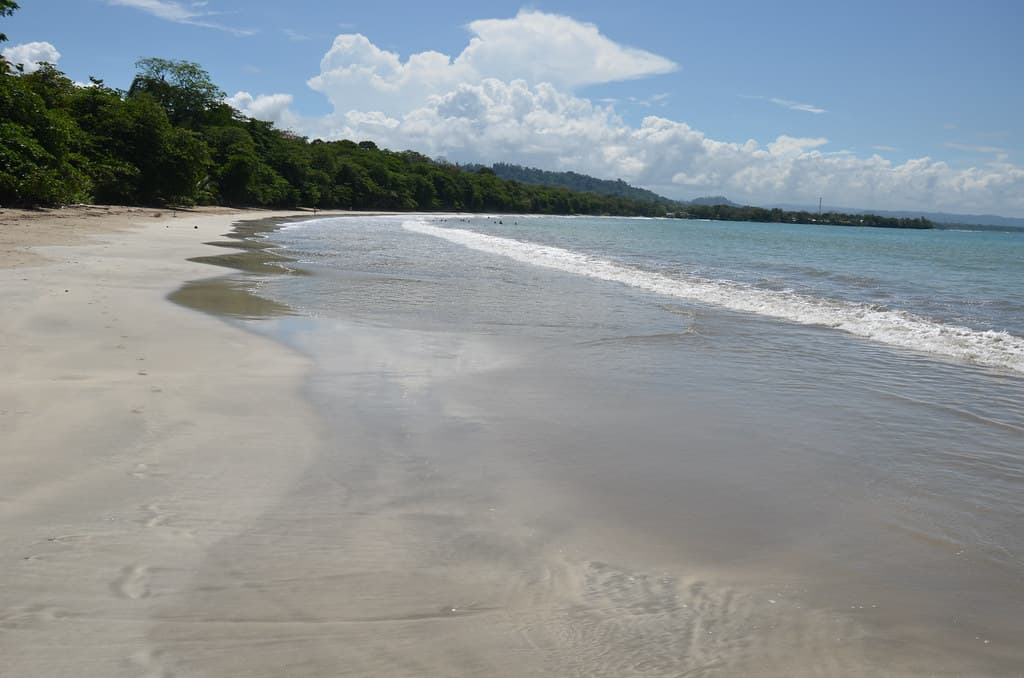
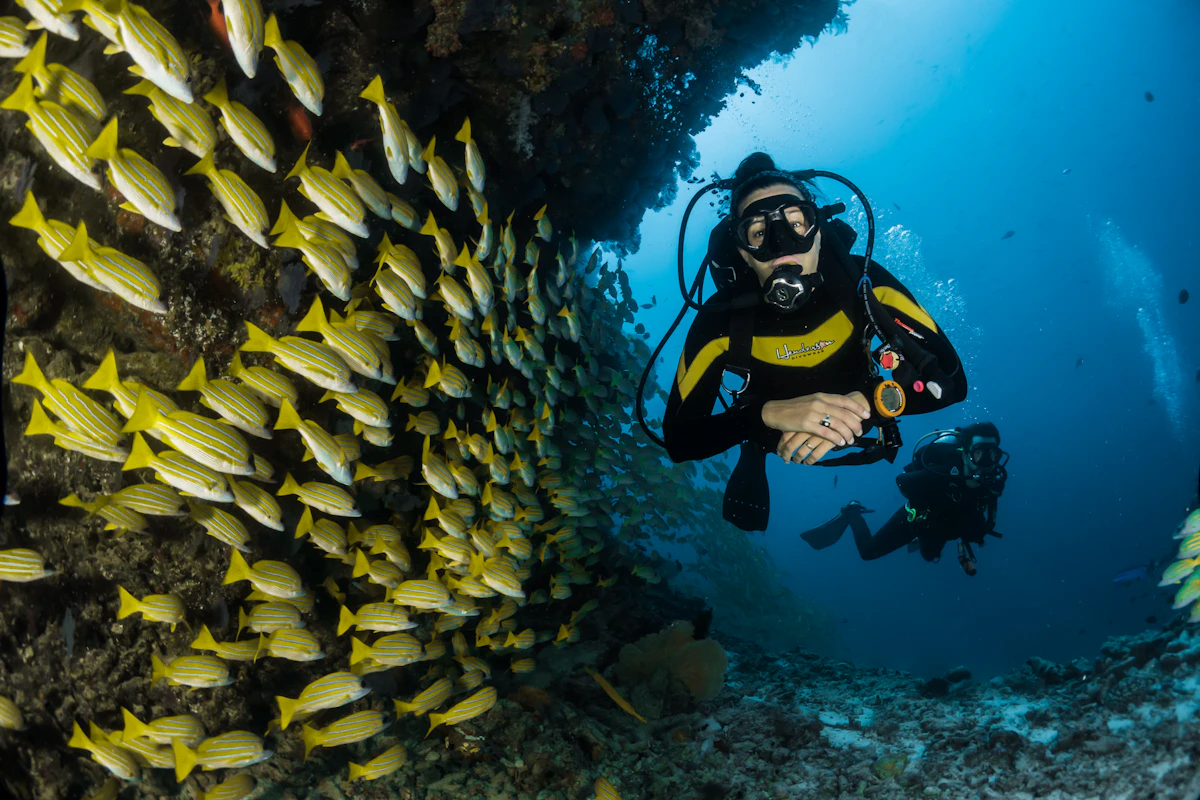
The hike primes you perfectly—forty minutes through coastal forest alive with howlers and toucans, waves crescendoing as you approach the point. Then Punta Cahuita unfolds: a crescent of beach backed by jungle, fronted by the park's signature reef. The water shifts from teal to cobalt depending on depth, clearest in morning light before wind textures the surface. This is the image that populates guidebook covers, and for once the reality matches the marketing. Snorkeling here feels like trespassing in an aquarium. Elkhorn coral branches shelter damselfish; brain coral mounds host cleaning stations where wrasses attend to grouper. Sea fans sway in surge. The reef sits shallow enough that you can freedive down for closer looks, equalizing as angelfish scatter then regroup. Rangers limit daily visitors, so even in high season the underwater scene never feels crowded. Reef-safe sunscreen is mandatory, enforced at the park entrance. On shore, you'll find shade beneath coconut palms and sea grape, the sand silky and shell-flecked. Punta Cahuita faces southeast, catching morning sun and afternoon cloud build-ups that paint the jungle ridge behind in shifting light. Photographers circle the point all day chasing angles. The reef breaks some wave energy, keeping conditions gentle for swimming. By late afternoon, when the park empties, the place regains its essential character: wild coastline where terrestrial and marine ecosystems blur into one unforgettable threshold.
Places, rentals, tours and events within walking and driving distance of Punta Cahuita Beach.
Photos
Punta Cahuita offers excellent snorkeling when conditions are right, but safety depends on weather and sea state. Calmer waters typically occur September through October and February through April. Always check current conditions before entering, as waves and currents can pick up quickly. The coral reef is protected within Cahuita National Park, so swim carefully to avoid standing on or touching coral. Watch for sea urchins in shallow areas. Park rangers can advise on daily conditions. Snorkel with a buddy, stay aware of your position relative to shore, and exit if conditions deteriorate.
For optimal snorkeling visibility and calmer seas, visit during the drier months of February through April or the September-October window when Caribbean waters are clearest. These periods also see fewer crowds than peak tourist season (December-January and July-August). Weekdays are significantly quieter than weekends when Ticos visit. Early morning offers the best light for photography and marine life activity before day-trippers arrive. Note that the Caribbean doesn't have a harsh wet season, so Punta Cahuita remains accessible year-round, though underwater visibility varies with rainfall and wave action.
Punta Cahuita sits within Cahuita National Park, accessed via the main entrance in Cahuita village. From the village centre, it's a scenic 20-30 minute walk south along the coastal trail—the beach and point are roughly 1.5 kilometres in. The trail is flat and well-maintained. Pay the voluntary donation at the park entrance (or the suggested fee at the southern entrance if entering from Puerto Vargas). Most visitors walk from Cahuita town where hotels and restaurants cluster; the village is easily reached by bus from Limón or Puerto Viejo.
Cahuita village, a 20-30 minute walk north of Punta Cahuita, offers diverse lodging from budget cabinas to boutique eco-lodges and vacation rentals. Many accommodations sit near the black-sand Playa Negra northwest of town. The village has numerous restaurants serving Caribbean-Creole cuisine, Italian, fresh seafood, and vegetarian options, plus small supermarkets and beach-side sodas. No facilities exist on Punta Cahuita itself—it's protected parkland—so bring water and snacks for your visit. Most travellers base themselves in Cahuita village and day-trip to the point.
Punta Cahuita is Costa Rica's most accessible living coral reef, offering world-class snorkeling directly from shore without boats or guides required. The dramatic jungle-to-reef landscape—where rainforest meets turquoise water at a photogenic point—creates iconic Caribbean scenery. Unlike many beaches, it's protected within a national park, ensuring wildlife sightings (howler monkeys, sloths, iguanas) alongside marine life. The combination of easy trail access, vibrant reef, and guaranteed wildlife encounters in a compact area makes Punta Cahuita uniquely rewarding for nature-focused travellers seeking the complete Caribbean experience.