Counting the waves…
Counting the waves…

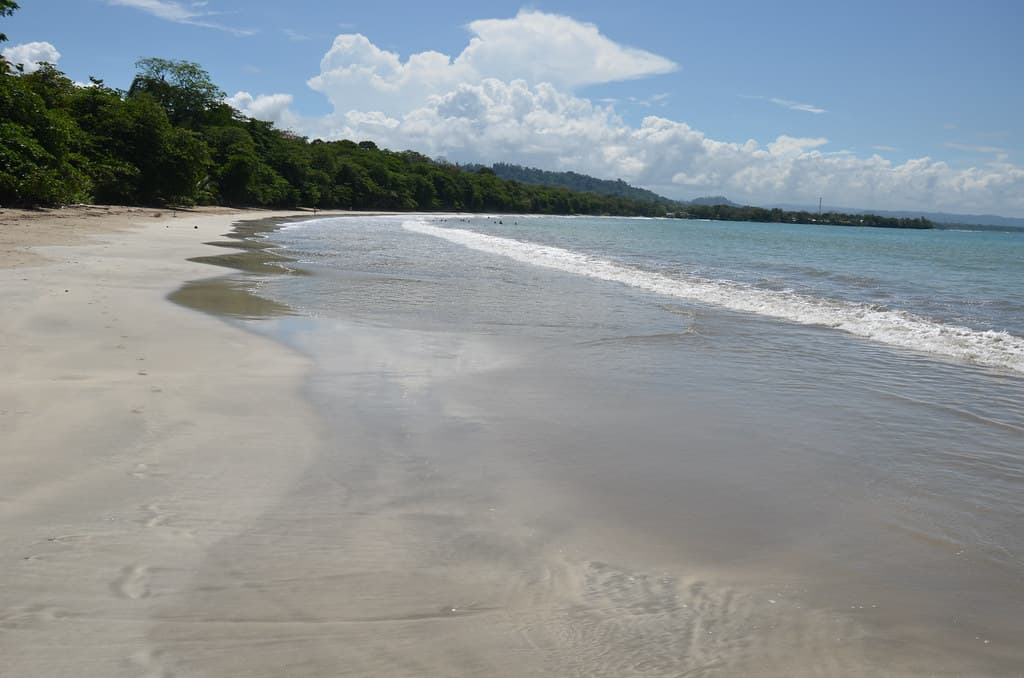
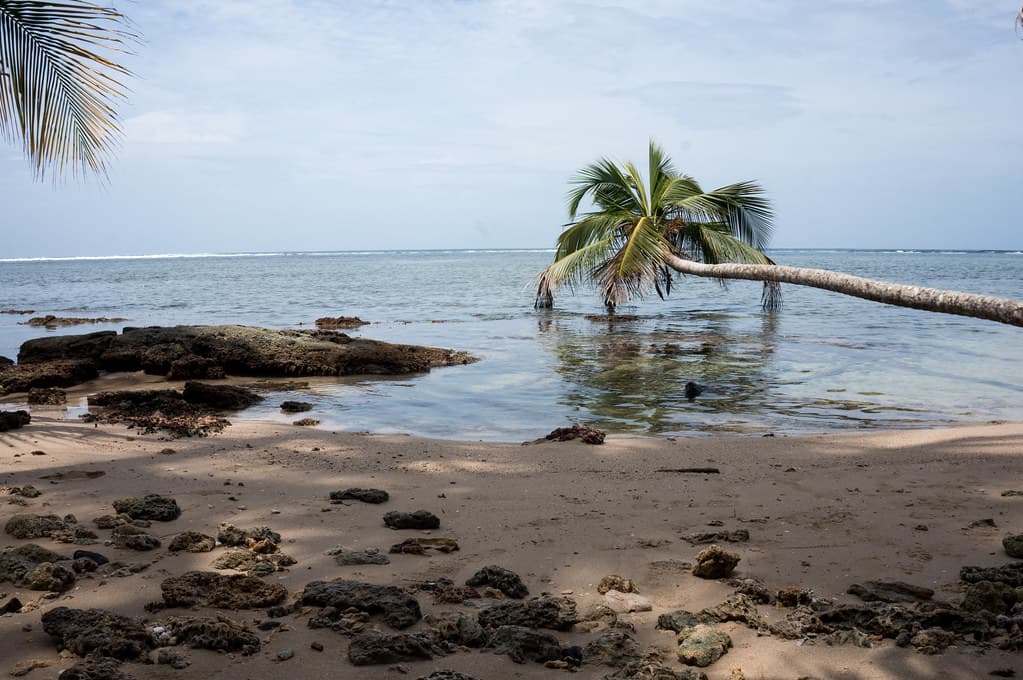
You reach Playa Esperanza by following a narrow trail that braids through secondary forest, the air thick with salt and decomposing fruit. The sand here runs pale gold, stippled with the three-toed tracks of sloths that descended during the night. Waves arrive in uneven sets, their edges clouded with tannins from the Río Carbón upstream. You spread your towel beneath a sea-grape tree, its round leaves filtering the late-morning glare. The beach curves gently southward, disappearing into a tangle of buttonwood and coconut palms. A pair of black vultures patrols the tideline, flipping over jellyfish with surgical precision. The only sounds are surf, wind, and the occasional crack of a falling coconut. By noon, the heat presses you into the water. You wade past a scatter of volcanic stones, their surfaces slick with algae, and float on your back as frigate birds trace lazy arcs overhead. When you emerge, salt dries on your skin in fine white lines. A green iguana watches from a low branch, unblinking, as you shake sand from your shoes and prepare to vanish back into the forest.
Places, rentals, tours and events within walking and driving distance of Playa Esperanza.
Photos
Swimming conditions at Playa Esperanza vary depending on weather and ocean conditions. The Caribbean coast can experience strong currents and waves, particularly during certain times of year, so always assess conditions before entering the water. There are no lifeguards on duty at this hidden beach. The beach is generally quieter and less developed than main tourist beaches, so exercise caution and avoid swimming alone. During calmer periods, particularly in the dry season, swimming can be enjoyable for confident swimmers.
For the best weather, visit during the dry season from February to April when rainfall is minimal and sunshine is abundant. However, for budget travel, consider the shoulder seasons (May-June or November-early December) when accommodation prices drop and the area sees fewer tourists. September and October typically have the heaviest rains. The Caribbean coast can receive rain year-round, but dry season offers the most consistent conditions. Budget travelers benefit from lower rates outside peak weeks like Christmas and Easter.
Playa Esperanza is located near Cahuita in Limón Province. From Cahuita town center, the beach is accessible by a short walk, bicycle ride, or local taxi. The exact access may require local knowledge as it's a hidden beach without major signage. You can ask locals in Cahuita for specific directions. Cahuita itself is easily reached by bus from San José (about 4 hours) or from Puerto Limón. Once in Cahuita, the small town is very walkable and bicycle-friendly for exploring nearby beaches.
While Playa Esperanza itself is a quiet, undeveloped beach, the nearby town of Cahuita offers various accommodation options ranging from budget hostels to mid-range hotels and eco-lodges. Cahuita has numerous restaurants serving Caribbean cuisine, fresh seafood, and international dishes, with many offering authentic Afro-Caribbean flavors. Since the beach is hidden and secluded, there are no facilities directly on site, so plan to bring your own food and drinks. Most services are within walking or cycling distance in Cahuita village.
Playa Esperanza's main appeal is its hidden, peaceful nature compared to the more popular Cahuita National Park beaches. It offers visitors a chance to experience tranquility away from crowds, with beautiful natural surroundings and authentic Caribbean vibes. The beach provides a more intimate, secluded experience perfect for those seeking solitude or a quiet spot for relaxation and sunbathing. Its lesser-known status means you're more likely to have stretches of sand to yourself, creating an escape from the busier tourist areas nearby.