Counting the waves…
Counting the waves…

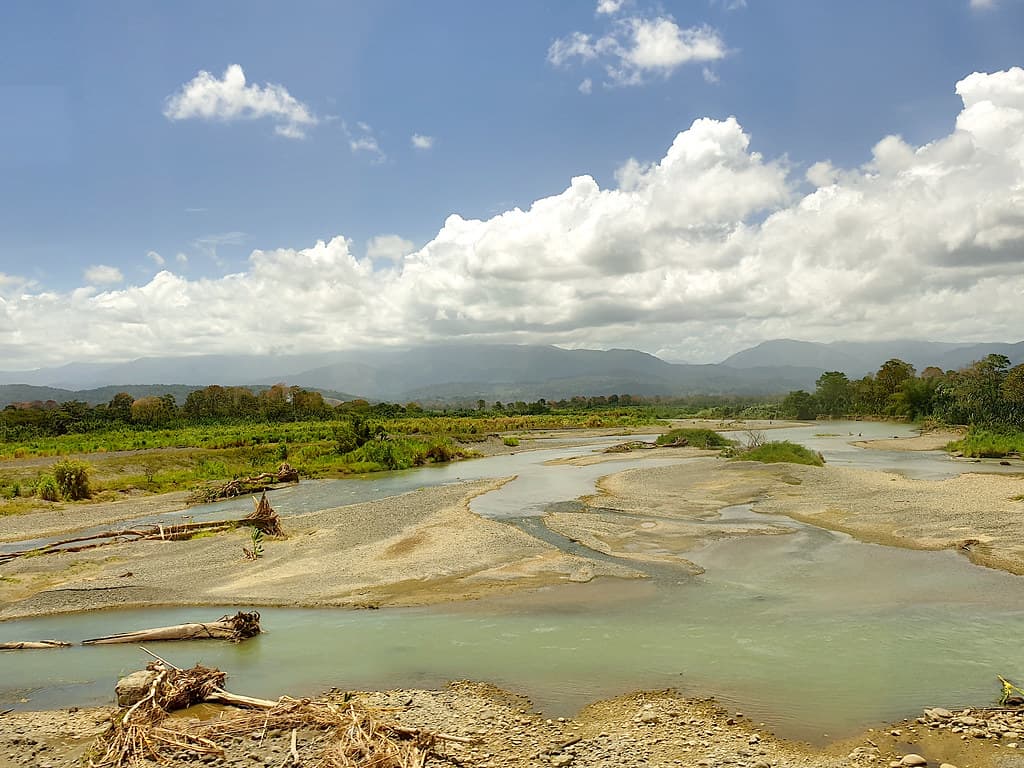
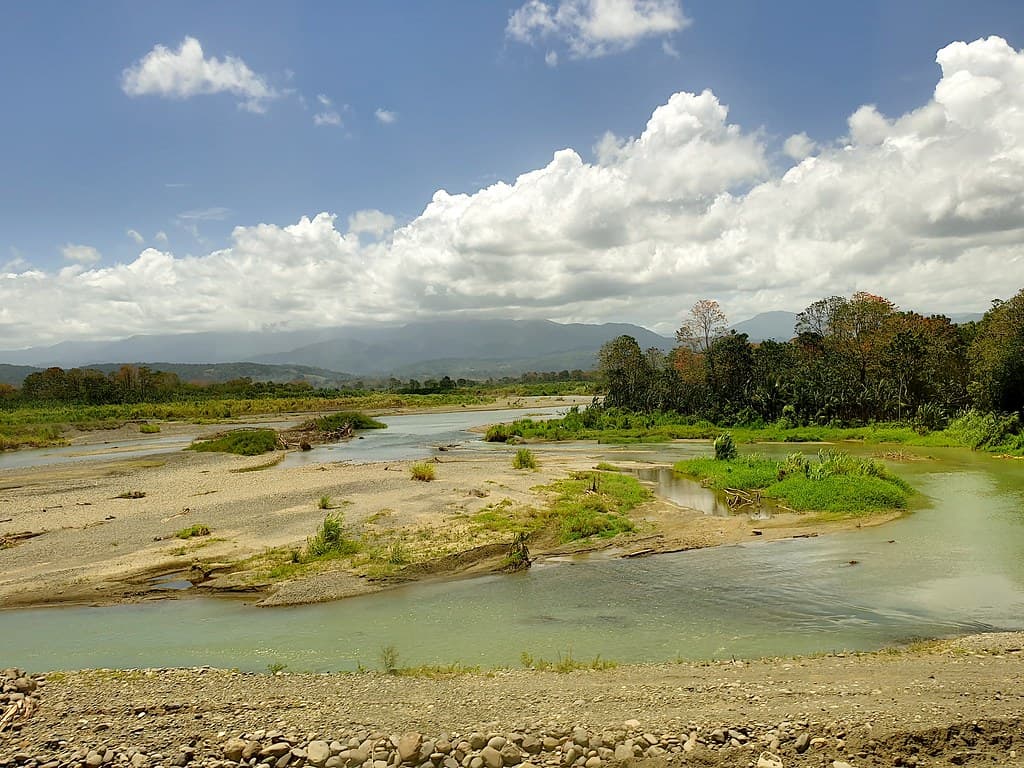
The boat from Matina town cuts through calm river water the color of strong tea, past banana plantations and stands of bamboo that bow over the banks. When the channel widens and you catch your first glimpse of breakers, the village appears: a loose collection of wooden homes in faded blues and greens, their tin roofs catching the hard Caribbean light. You step onto sand that holds no footprints but your own and the delicate tracery left by ghost crabs. Barra de Matina operates on island time despite being firmly on the mainland. Fishermen mend nets in the shade of coconut palms, their Spanish inflected with the Creole lilt of Limón's coast. You walk the beach and find it edged with driftwood logs smooth as bone, some large enough to sit on and watch the surf. The waves here are gentle—more invitation than challenge—rolling in over sandy bottom that slopes gradually into deeper water. Behind you, the village hums with the sounds of reggae from a battery-powered radio and children's voices calling in the afternoon heat. As the sun drops toward the forested interior, the light turns golden and the ocean surface catches it in flickering sheets. You swim in water warm as bathwater, tasting salt and the faint mineral tang of the river. There's no schedule here, no curated itinerary—just a beach that exists for the people who live beside it and the rare traveler willing to arrive the slow way, by water.
Places, rentals, tours and events within walking and driving distance of Playa Barra de Matina.
Photos
Swimming conditions at Playa Barra de Matina vary significantly. As a river-mouth beach where the Matina River meets the Caribbean, currents can be strong and unpredictable, especially during rainy season. The water is often murky due to sediment from the river. Local knowledge is essential before entering the water. There are no lifeguards on duty, and the beach is very remote with limited emergency services. Always check conditions with locals and avoid swimming near the river mouth where currents are strongest.
The driest months from February to April and September to October offer the most pleasant weather with less rainfall, though Costa Rica's Caribbean coast receives rain year-round. These periods provide better conditions for boat access and beach activities. Visiting during weekdays ensures fewer crowds, though this beach remains relatively undiscovered regardless of season. The green season (May-November) brings lush scenery but more rain and rougher seas. Water temperatures remain warm throughout the year, typically around 26-29°C.
Reaching Playa Barra de Matina requires advance planning as it's only accessible by boat. From Limón city, drive or take a bus to Matina (about 30km). From there, you'll need to arrange boat transportation along the river to reach Barra de Matina village. The journey involves navigating river channels and can take 30-60 minutes depending on conditions. No paved roads reach the village directly. Consider hiring a local guide or contacting community tourism operators in advance to arrange transport and ensure safe passage.
Accommodation and dining options are extremely limited and basic in Barra de Matina village. You'll find small, locally-run sodas (simple restaurants) serving traditional Caribbean Costa Rican dishes like rice and beans with fish or chicken. Homestays or very basic cabins may be available through community arrangements made in advance. There are no hotels or formal tourist infrastructure. Most visitors come as day-trippers or arrange stays through ecotourism programs. Bring cash, as there are no ATMs, and consider packing some supplies from Limón or Matina.
Playa Barra de Matina offers an authentic, off-the-grid Caribbean experience rarely found in modern Costa Rica. The village is only accessible by boat, preserving its isolation and traditional Afro-Caribbean culture. You'll experience a river-mouth ecosystem where freshwater meets the sea, creating unique wildlife viewing opportunities. The beach retains a genuine local character without tourism development, offering insight into traditional coastal living. This is one of the most remote accessible beaches on Costa Rica's Caribbean coast, appealing to adventurous travelers seeking undiscovered destinations.