Counting the waves…
Counting the waves…
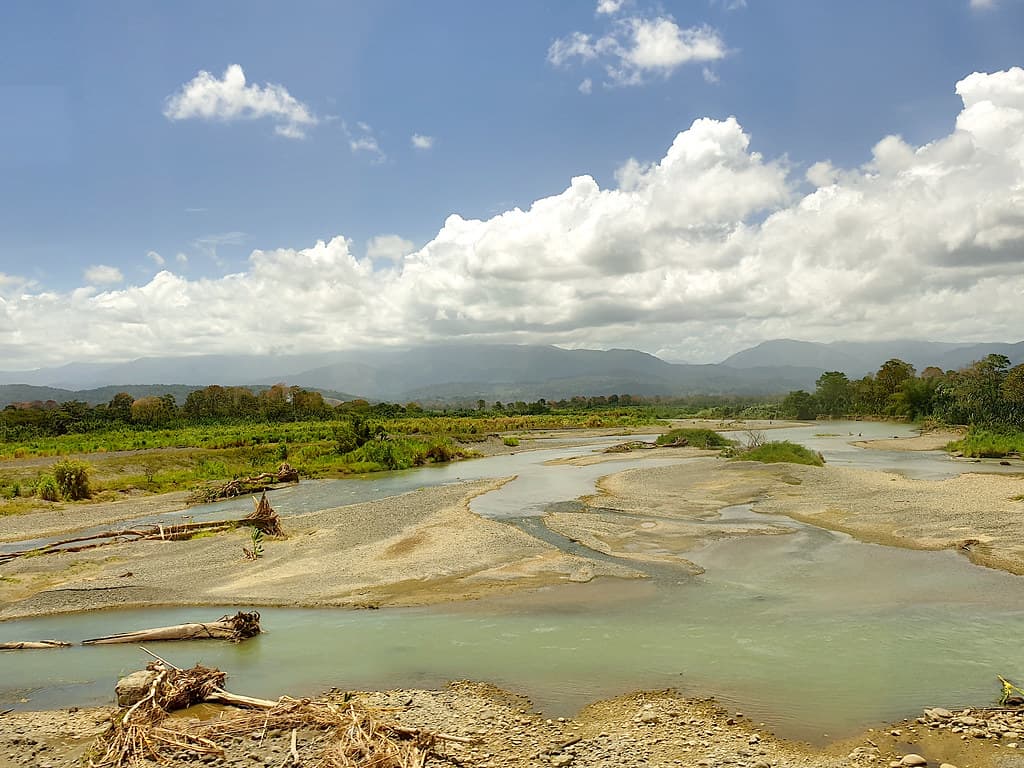
The drive to Playa Batán threads through vast banana fincas and small-scale cacao farms, the air thick with the green scent of cultivation. When you finally reach the coast, the beach unfolds in an unhurried arc—a sweep of tan sand bordered by the kind of vegetation that speaks to benign neglect rather than manicured tourism. Fishing boats rest on their sides above the tide line, paint peeling in the salt air, while frigatebirds wheel overhead. The water here is the color of coffee with cream after heavy rains upstream, clearing to a soft jade on calmer days. You'll notice the absence of beach bars and rental kiosks; what you will find are local families arriving on weekends with coolers and portable speakers, their children racing into the surf fully clothed. The waves break in gentle sets, rolling rather than crashing, their sound muffled by the humid air. Behind the beach, a fringe of almendro trees provides shade in loose patches, and hermit crabs navigate the leaf litter with methodical determination. The horizon stretches uninterrupted, offering that rare Caribbean commodity: space to think, unmediated by infrastructure or agenda.
Places, rentals, tours and events within walking and driving distance of Playa Batán.
Photos
Swimming safety at Playa Batán varies with weather and sea conditions typical of Costa Rica's Caribbean coast. The beach generally has moderate surf and can experience strong currents, particularly during periods of rough weather or high tide. There are no lifeguards stationed here, and it's a relatively isolated beach with limited immediate assistance available. Local knowledge is valuable, so consider asking residents about current conditions. Avoid swimming during storms or when red flags are present, and never swim alone at this lesser-visited beach.
Playa Batán is best visited during Costa Rica's Caribbean coast dry season, typically February through April and again in September and October. These months offer the most sunshine and calmer seas. However, since this is a lesser-known beach, it remains uncrowded even during peak tourist periods, making it appealing year-round for those seeking solitude. The rainy season from May to August and November to January brings frequent afternoon showers but can offer dramatic coastal scenery and even fewer visitors if you don't mind occasional rain.
Playa Batán is located in the Matina district of Limón Province. Access typically involves driving or taking a bus to Matina town, then following local roads toward the coast. The beach is not heavily signposted, so GPS coordinates or local directions are helpful. Roads in this area can be rough, particularly during rainy season, and a 4WD vehicle may be advantageous. Public transportation options are limited, so renting a car from Limón city or San José provides the most flexibility for reaching this hidden coastal spot.
Playa Batán has minimal tourist infrastructure directly at the beach. You won't find hotels or restaurants on the beach itself, but the nearby town of Matina offers basic accommodations and local sodas (small family-run restaurants) serving traditional Costa Rican cuisine. Options are simple and locally oriented rather than tourist-focused. For more extensive amenities, Limón city is about 30-40 kilometers away with a wider range of hotels and dining choices. Plan to bring snacks and drinks for your beach visit, as facilities are very limited.
Playa Batán offers an authentic, low-key Caribbean beach experience largely free from tourist development and crowds. Unlike popular destinations such as Puerto Viejo or Cahuita, you'll likely share this beach with local families and fishermen rather than international tourists. The beach provides genuine insight into everyday coastal life in the Limón Province. Its sandy shores are ideal for peaceful sunbathing and beachcombing without the commercial trappings of resort areas. This makes Batán perfect for travelers seeking to experience Costa Rica's Caribbean coast as locals do.