
Counting the waves…
Counting the waves…

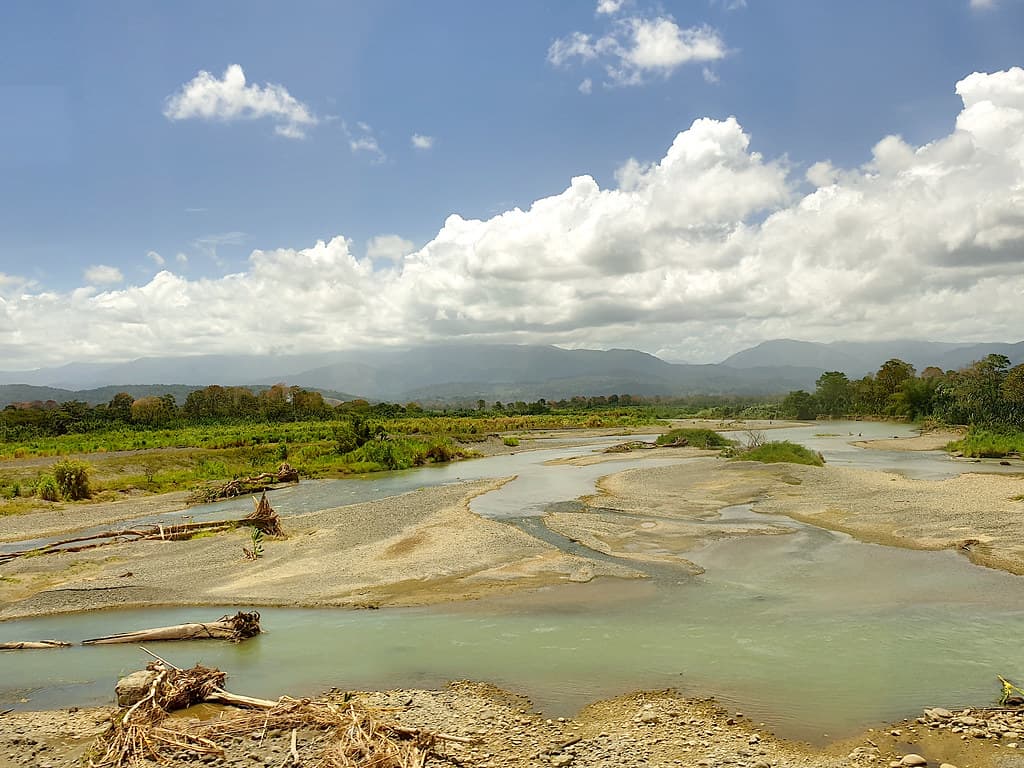
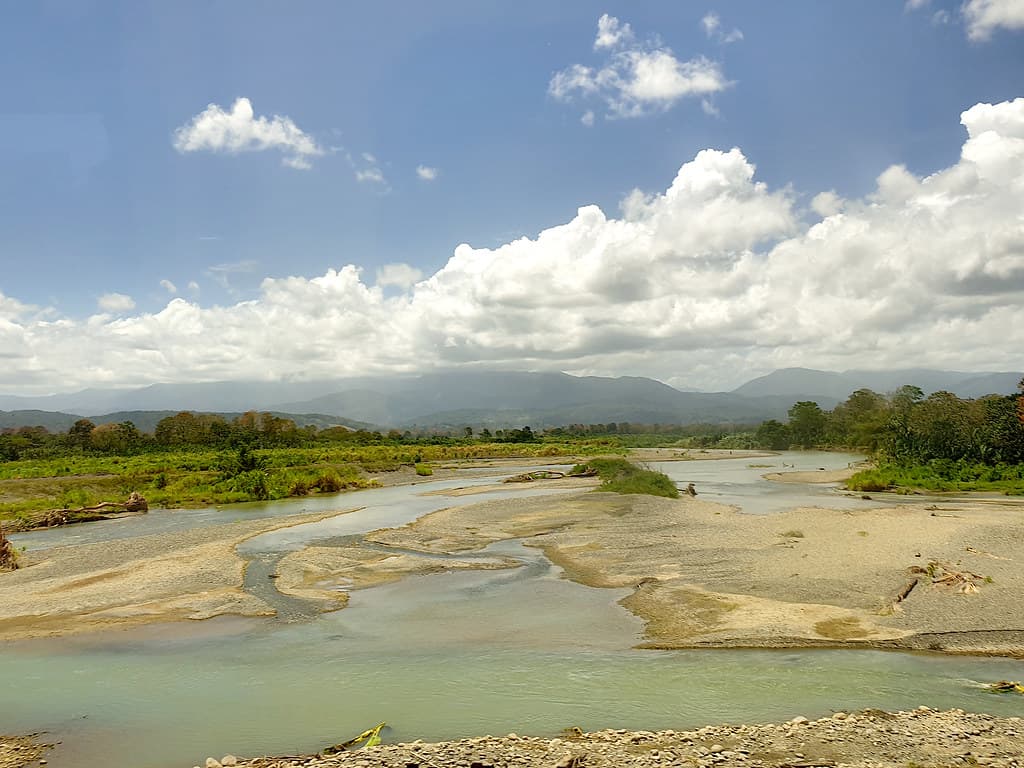
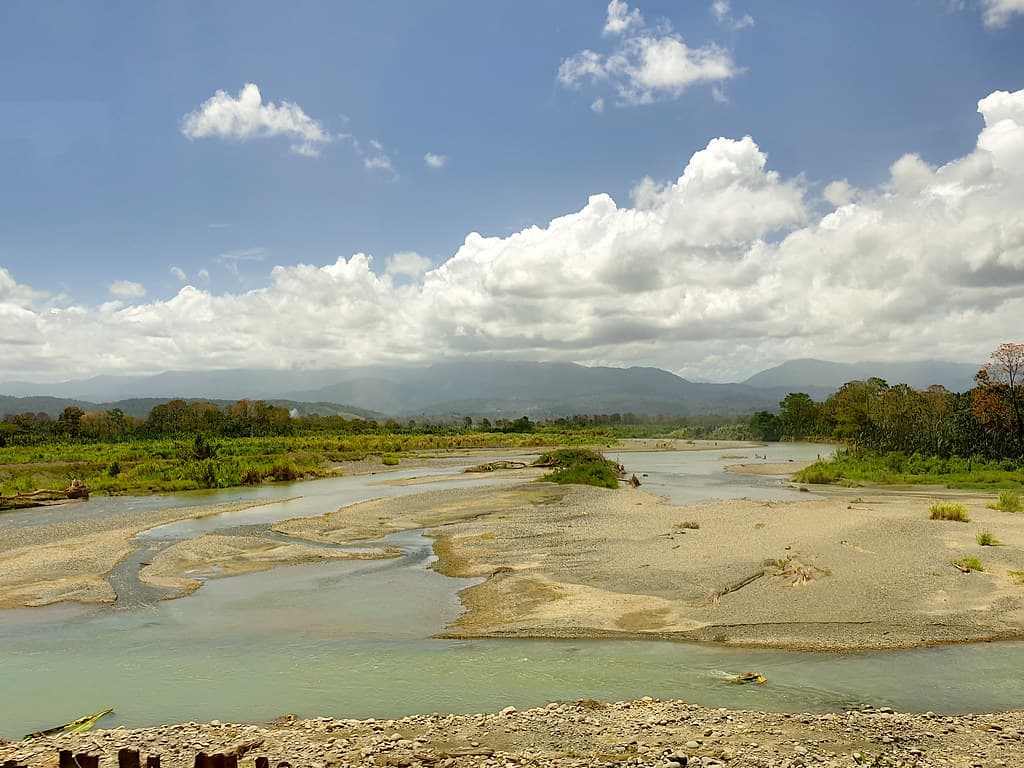
The sand at Playa Matina carries a rust tint from the mineral-rich rivers that empty here, staining the shoreline a color somewhere between amber and ochre. You'll walk for half an hour without encountering another soul, passing driftwood logs the size of station wagons and tide pools alive with hermit crabs clicking across volcanic pebbles. The waves arrive in long-interval sets, their glassy faces holding form for a breath before collapsing in thunderous barrels that scatter spindrift across the upper beach. Palm fronds rattle in the offshore breeze while frigatebirds wheel overhead, their forked tails silhouetted against cumulus towers building inland. Local fishermen mend nets beneath the shade of sea-grape trees, their pangas painted in fading blues and greens. The air tastes of salt and overripe breadfruit. You'll feel the beach's solitude most acutely at dawn, when the only sounds are the rhythmic crash of shorebreak and the distant bark of howler monkeys in the coastal forest. The horizon stretches unbroken to the east, a seam where Caribbean blue meets cloud-heavy sky. This is Costa Rica's Atlantic edge at its most unvarnished—no vendors, no umbrellas, just sand and sea and the occasional heron stalking the wrack line.
Places, rentals, tours and events within walking and driving distance of Playa Matina.
Photos
Swimming at Playa Matina requires caution due to strong Caribbean currents, rip tides, and powerful waves typical of this exposed coastline. There are no lifeguard services or safety infrastructure at this low-key beach. The surf conditions that attract wave riders can be dangerous for casual swimmers. If swimming, stay in shallow water, never go alone, and be aware of changing tides. Local knowledge is valuable—ask residents about current conditions. The beach's remote nature means emergency services are far away, so prioritize safety and conservative decision-making when considering entering the water.
The relatively drier months of February through April and September through October are generally best for visiting Playa Matina, though the Caribbean coast experiences rain year-round. These periods typically offer more sunshine and calmer seas, better for beach walking and photography. For surfers, consistent swells arrive throughout the year, with larger waves often during winter months. Weekdays provide the quietest experience at this already low-key destination. The expansive beach remains uncrowded regardless of season, making it ideal for travellers seeking solitude and authentic Caribbean coastal atmosphere away from tourist centers.
Playa Matina is accessible by road from Limón city, located approximately 30-40 kilometers north along the coastal highway toward Parismina. From San José, drive or take a bus to Limón (about 3 hours), then continue north on Route 32 and follow signs toward Matina. Local buses run between Limón and Matina village, though service may be infrequent. From Matina center, the beach is a short distance requiring local directions or taxi. Roads can be rough, especially in rainy season. A 4WD vehicle is recommended. Alternatively, arrange transportation through lodging in the area.
Accommodation near Playa Matina is limited and basic, consisting mainly of small cabinas and local guesthouses in Matina village. Options are simple and cater primarily to Costa Rican visitors rather than international tourists. Dining choices include local sodas serving traditional Caribbean and Costa Rican dishes—rice and beans, fresh fish, and regional specialties. Don't expect extensive menus or tourist-oriented restaurants. For more variety in lodging and dining, consider staying in Limón city and making Playa Matina a day trip. Bring snacks and water as beach facilities are non-existent.
Playa Matina's uniqueness lies in its expansive, unspoiled character and authentic local atmosphere rarely found on Costa Rica's more developed coasts. This lengthy stretch of dark-sand Caribbean beach sees very few international visitors, offering genuine immersion in coastal Limón culture. The combination of surf potential, scenic beauty, and complete lack of commercialization creates an experience closer to how Caribbean Costa Rica existed decades ago. Its proximity to the historically significant Matina region, once central to cacao and banana trade, adds cultural depth. This is authentic Costa Rica without tourist infrastructure or crowds.