Counting the waves…
Counting the waves…
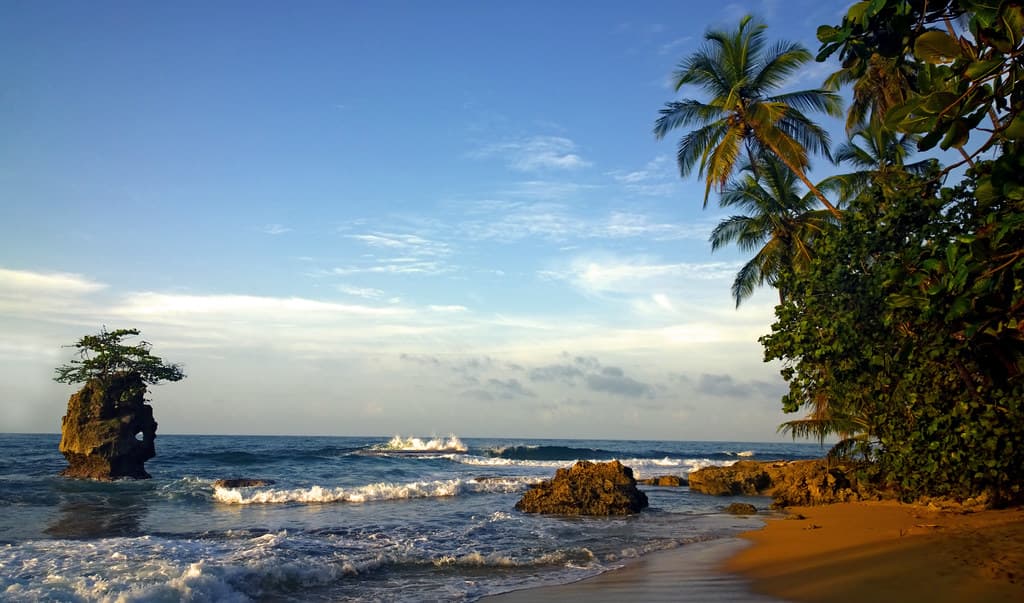
You'll time your arrival with the tide chart, waiting for the two-hour window when the pools fill but the current stays gentle. Wade in from the beach and feel the temperature shift—the shallow water sun-warmed, almost bathlike, while cooler currents pulse through the deeper channels. The sandy bottom gives way to coral rubble, then living reef, brain corals the size of beach balls rising within arm's reach. Pull on your mask and the underwater topography reveals itself: valleys of white sand between coral ridges, schools of sergeant majors striped like convicts, the occasional spotted eagle ray gliding over the reef edge. The water clarity depends on recent rains—after dry days, you'll see twenty feet down to where nurse sharks rest in the sand. Waves break on the outer reef in a distant rumble, but inside the pools, the surface barely ripples. You can snorkel here without fighting current, drifting between coral heads as French angelfish investigate your fins. Local guides lead morning snorkel tours, pointing out octopuses tucked into crevices and explaining which urchins to avoid. By midday, the pools warm considerably and families arrive, children shrieking as they discover their first sea cucumber. You'll exit through the same sandy channel you entered, rinsing gear under the beachside shower while frigatebirds wheel overhead, their shadows crossing the turquoise water.
Places, rentals, tours and events within walking and driving distance of Playa Chiquita Reef Pools.
Photos
The reef pools at Playa Chiquita create sheltered pockets that are generally safer and calmer than the open ocean, making them suitable for cautious swimming and snorkeling. However, the surrounding reef can have sharp coral and sea urchins, so water shoes are strongly recommended. Wave action varies with tides and weather—check conditions before entering. Currents can exist even in protected areas. There are no lifeguards. Snorkeling is best during calm conditions at mid to high tide when pools are deeper and visibility improves. Always respect the fragile coral ecosystem.
February through April and September through October typically offer the calmest seas and best snorkeling visibility, though conditions vary. Visit during mid to high tide when the pools are deeper and marine life is more active; at low tide, water can be too shallow and coral may be exposed. Early mornings provide the best light for underwater viewing and fewer crowds. Weekdays are quieter than weekends. The Caribbean coast can experience rain year-round, but this doesn't necessarily affect underwater visibility if seas remain calm.
Playa Chiquita is located about 5 kilometers south of Puerto Viejo along the coastal road toward Manzanillo. The beach is accessible from several points along this route—look for small signs or ask locals for the best reef pool access points. Most visitors rent bicycles or cars in Puerto Viejo, making the journey easy. Local buses traveling toward Manzanillo stop along this stretch. Parking is informal along the roadside. The reef pools are close to shore but require identifying the right access points for the best snorkeling spots.
Playa Chiquita has a good selection of small hotels, eco-lodges, and vacation rentals scattered through the jungle and along the beach, ranging from budget to boutique. Many properties offer direct beach access. Several excellent restaurants serve fresh seafood, Caribbean-Costa Rican fusion, and international cuisine. Nearby Puerto Viejo (5 km) offers additional dining, shopping, and accommodation options if Playa Chiquita is fully booked. The area has a laid-back vibe with fewer party-oriented establishments than central Puerto Viejo. Grocery stores are limited, so stock up in Puerto Viejo if self-catering.
The natural coral reef formations create protected pools and channels close to shore, making marine observation accessible without needing a boat or advanced skills. These pools host diverse Caribbean reef fish, sea urchins, starfish, and occasional rays in relatively calm, shallow water. The proximity to shore and natural shelter make this an ideal snorkeling spot for beginners and those uncomfortable in open ocean. The reef's structure creates a unique micro-ecosystem where you can observe coral formations and marine life safely. It's one of the most accessible snorkeling experiences on Costa Rica's Caribbean coast.