Counting the waves…
Counting the waves…
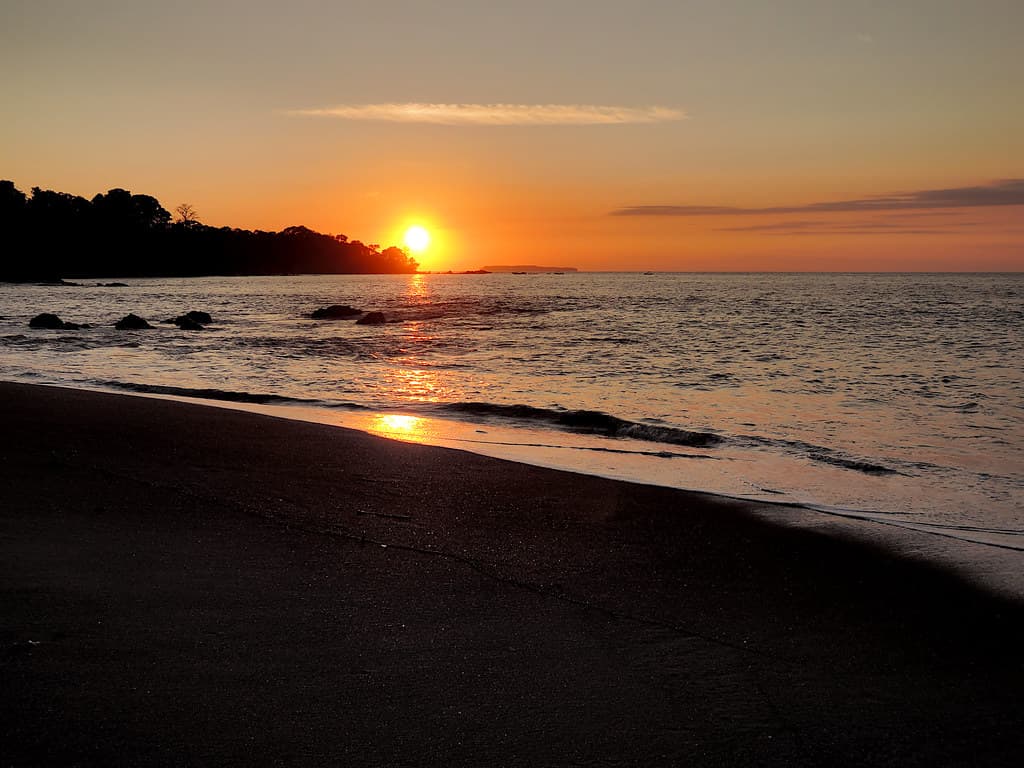
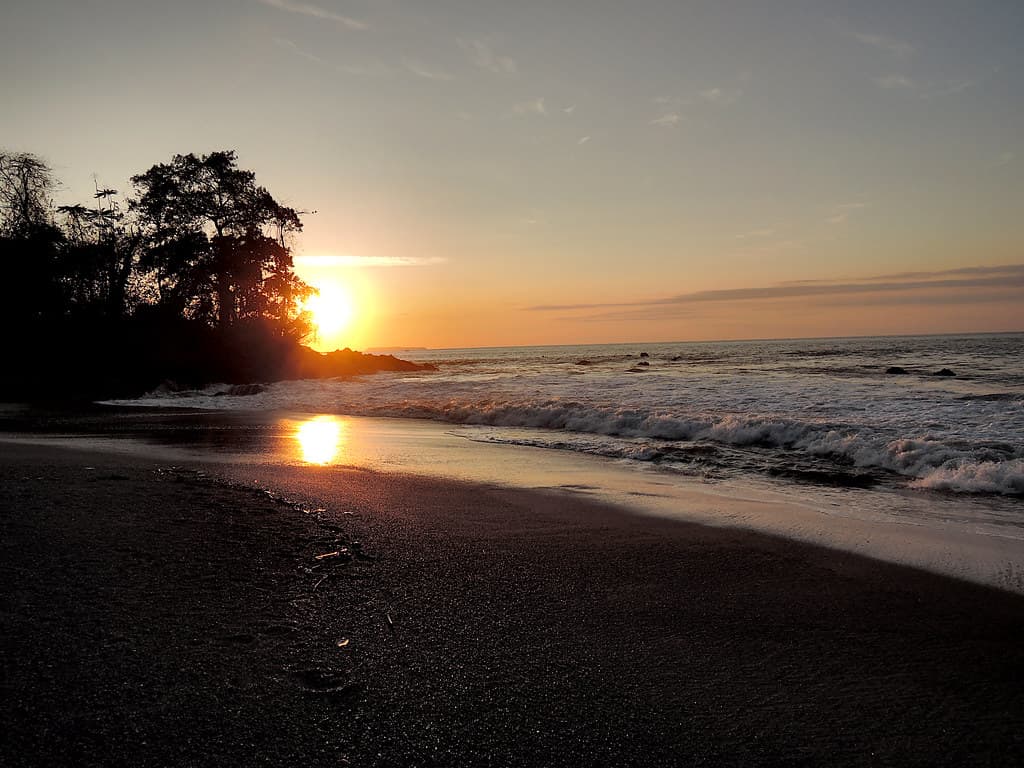
The river mouth is a collision zone: fresh water the color of milky tea meets the Pacific's deep blue in a froth of competing currents, and the beach forms a crescent in the contested space between. The sand is coarse, studded with driftwood logs thick as telephone poles, smoothed by months at sea and deposited here like offerings. You'll hear the river hissing over sandbars before you see the ocean beyond. Reaching this beach means hiring a boatman in Sierpe village or paddling yourself through the wetlands—an hour of winding channels where the jungle crowds so close you can touch the aerial roots. The river smells of tannins and living things; herons freeze mid-step as you pass. When the mangroves finally release you, the beach opens like a secret, empty except for the occasional fisherwoman checking nets or a troop of white-faced monkeys raiding the beach almond trees. Tides rule everything here. At low water, the river mouth becomes a warren of sandbars and tide pools; at high tide, the beach shrinks to a narrow ribbon. The Pacific wind arrives unfiltered, bending the palms inland and erasing footprints within the hour. You'll see no hotels, no signs, no infrastructure—just a wild convergence of ecosystems doing what they've done for millennia.
Places, rentals, tours and events within walking and driving distance of Sierpe River Mouth Beach.
Photos
Swimming at Sierpe River Mouth Beach requires considerable caution due to the convergence of river currents and ocean waves at this transitional zone. Strong currents, variable water clarity, and changing conditions make this location challenging for swimming. The mixing of fresh and salt water creates unpredictable flow patterns that can be dangerous even for strong swimmers. Wildlife including crocodiles inhabits nearby wetland areas, adding another safety consideration. This beach is better suited for exploration and wildlife observation rather than swimming. If you do enter the water, stay in shallow areas, never swim alone, and consult local guides.
The dry season months from December to April offer optimal conditions for visiting Sierpe River Mouth Beach, with more stable weather and easier boat navigation through the wetland channels. These months provide better opportunities for wildlife observation as animals concentrate near water sources. Early mornings typically offer the calmest conditions, best light for photography, and highest wildlife activity. The beach experiences minimal visitor traffic year-round due to its remote location. Green season visits are feasible but may involve rain and more challenging water conditions for boat access. Low tide periods expose more beach area for exploration.
Access to Sierpe River Mouth Beach is exclusively by boat, departing from Sierpe village through the extensive mangrove channels leading to the river mouth and ocean. Local boat operators and tour companies familiar with the wetland navigation provide transport, typically as part of ecotourism excursions. The journey involves traveling through mangrove-lined waterways before reaching the coastal area. Travel time varies depending on water levels and tidal conditions. No roads or trails reach this beach. Book transport with experienced operators who understand tides and channels, and always arrange confirmed return pickup times.
Sierpe River Mouth Beach itself has no facilities, restaurants, or accommodations. All visitor services are based in Sierpe village, located inland along the Sierpe River. The village offers basic lodging options, small restaurants serving typical Costa Rican cuisine, and tour operators. Visitors should bring all necessary supplies, food, and water when visiting the beach, as it's a completely undeveloped area. Some boat tours may include snacks or meals. More extensive accommodation and dining options are available in Ojochal, Uvita, or other nearby coastal communities along the Costanera Sur highway.
Sierpe River Mouth Beach occupies a rare ecological transition zone where one of Central America's largest river systems meets the Pacific Ocean, creating a unique wetland-coastal environment. The beach sits at the edge of the vast Térraba-Sierpe National Wetlands, offering exceptional opportunities to observe diverse wildlife including waterbirds, marine species, and wetland fauna. Its extreme remoteness and boat-only access ensure almost complete solitude and pristine natural conditions. The convergence of mangrove ecosystems, river delta, and ocean creates landscapes and wildlife viewing opportunities found nowhere else along Costa Rica's coast, particularly for ecotourism enthusiasts.