Counting the waves…
Counting the waves…

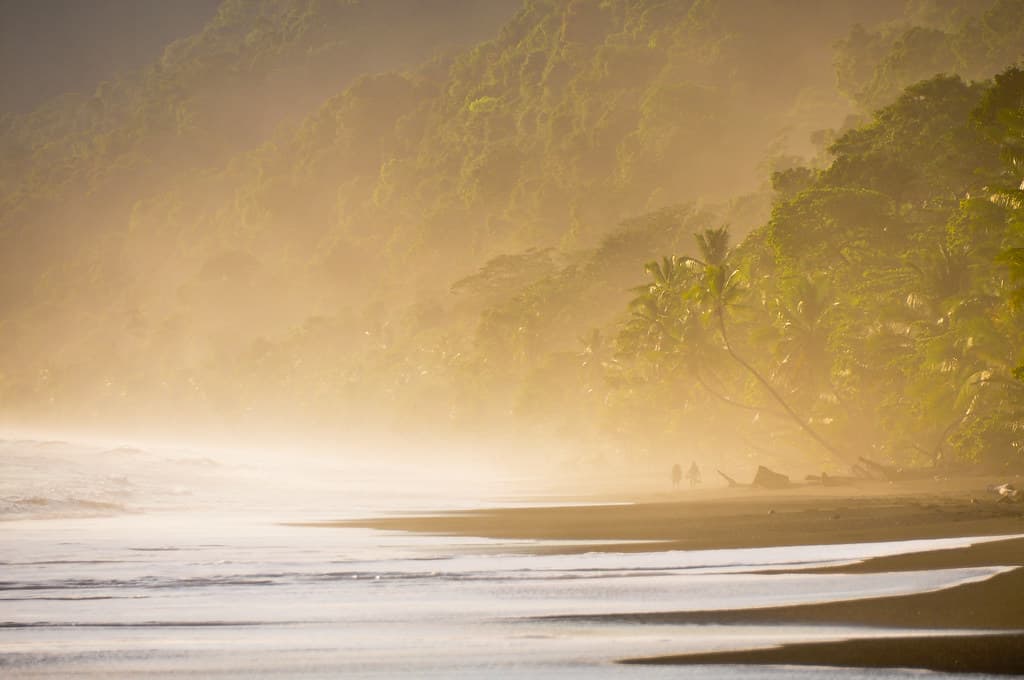
This is the beach that conservation built—a coastline where access is rationed, visitor numbers capped, and the primacy of wildlife over human convenience is law. You'll register at the park entrance, pay the fee, and either trek the inland trail from Sirena or arrive by panga from Drake Bay, the boat grounding in shin-deep surf. The beach stretches north and south in a long, gently curving sweep, backed by coconut palms planted decades ago and now towering above the understory. The sand is littered with the evidence of the forest's proximity: fallen palm fronds, green coconuts gnawed open by agoutis, the five-toed prints of a white-nosed coati. Scan the tree line at dawn and you might catch a tapir moving between the shadows, or a troop of squirrel monkeys cartwheeling through the canopy. The surf is steady but not rideable, rolling shorebreak that collapses in a hiss of foam and retreating gravel. You cannot stay the night without a permit and a reservation at Sirena station, where bunks are basic and meals are communal. By late afternoon, the handful of day visitors reboard their boats or shoulder their packs for the hike out. The beach empties. Scarlet macaws settle into the palms. The sun drops behind the offshore seamount, and for a few minutes the entire coastline glows the color of burnt sienna before night erases everything but the sound of waves and howler monkeys calling from deep in the park.
Places, rentals, tours and events within walking and driving distance of Playa Corcovado.
Photos
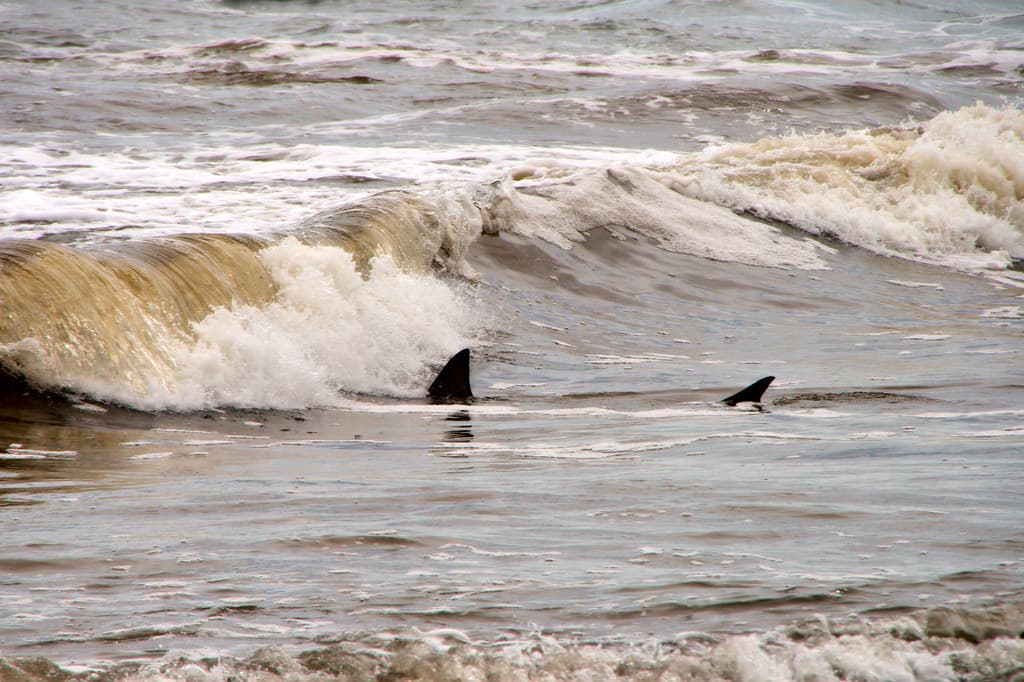
Swimming at Playa Corcovado should be approached with caution due to strong Pacific currents, waves, and the beach's complete remoteness. There are no lifeguards, facilities, or nearby medical services. Ocean conditions can be unpredictable, with rip currents and powerful surf common along this exposed coastline. Wildlife considerations also apply, as crocodiles may inhabit nearby river mouths. The beach is primarily valued for its wilderness beauty and wildlife rather than as a swimming destination. If you do enter the water, stay close to shore and never swim alone.
The best time to visit Playa Corcovado is during Costa Rica's dry season, from late December through April, offering the best weather and less crowded conditions. Access by boat or on foot is more reliable during this period. However, Corcovado's protected status limits visitor numbers year-round, so even dry season sees relatively few people on this remote beach. Sunset viewing can be spectacular throughout the year. Wildlife is abundant in all seasons, though trail conditions are better when dry. Multi-day hikes through the park require careful dry-season planning.
Playa Corcovado is accessible only through Corcovado National Park, requiring either a boat journey from coastal towns like Drake Bay or Sierpe, or multi-day hiking from park entrances. All access requires advance permits and a certified guide—independent visits are not allowed. The beach lies along hiking routes connecting different park sectors, making it a stopping point for those doing extended treks. Boat access depends on ocean conditions and is arranged through authorized tour operators. This is one of Costa Rica's most remote beaches, requiring significant planning and physical preparation to reach.
Playa Corcovado has no facilities, food services, or lodging. This is pristine national park coastline with no development. Visitors on multi-day hikes must carry all food and camping equipment, and camping is only permitted at designated ranger stations elsewhere in the park, not at the beach itself. Most people experience Playa Corcovado as part of guided day trips by boat or as a waypoint during longer guided treks between ranger stations. The nearest accommodations are outside the park in Drake Bay, Puerto Jiménez, or Carate.
Playa Corcovado represents one of the longest and most remote stretches of protected Pacific coastline within Corcovado National Park. Its deep location within park boundaries means exceptional wilderness immersion with virtually no human development visible. The beach offers a rare opportunity to experience a completely natural coastal ecosystem, where rainforest meets ocean without interruption. Wildlife encounters along this strand can include tapirs, peccaries, monkeys, and countless bird species emerging from the forest. The profound sense of isolation and pristine natural beauty makes it extraordinary even within a park famous for its wilderness character.