Counting the waves…
Counting the waves…
A refined fusion of water purity, environmental stability, and communal vibrancy for Playa Hacienda Vieja.
View MethodologyAnalyzed via live sensors and environmental data.
Wave height, wind, and atmospheric stability.
Live footfall and crowd balance metrics.
Community reviews and curated sentiment.
“The sand here is soft and pale, backed by overgrown fields where cattle once grazed. You'll see more iguanas than people, and the only sounds are surf, wind in the dry grass, and the occasional screech of parrots…”
Limited recent visitor reports — live OBI telemetry is your best guide for current conditions.
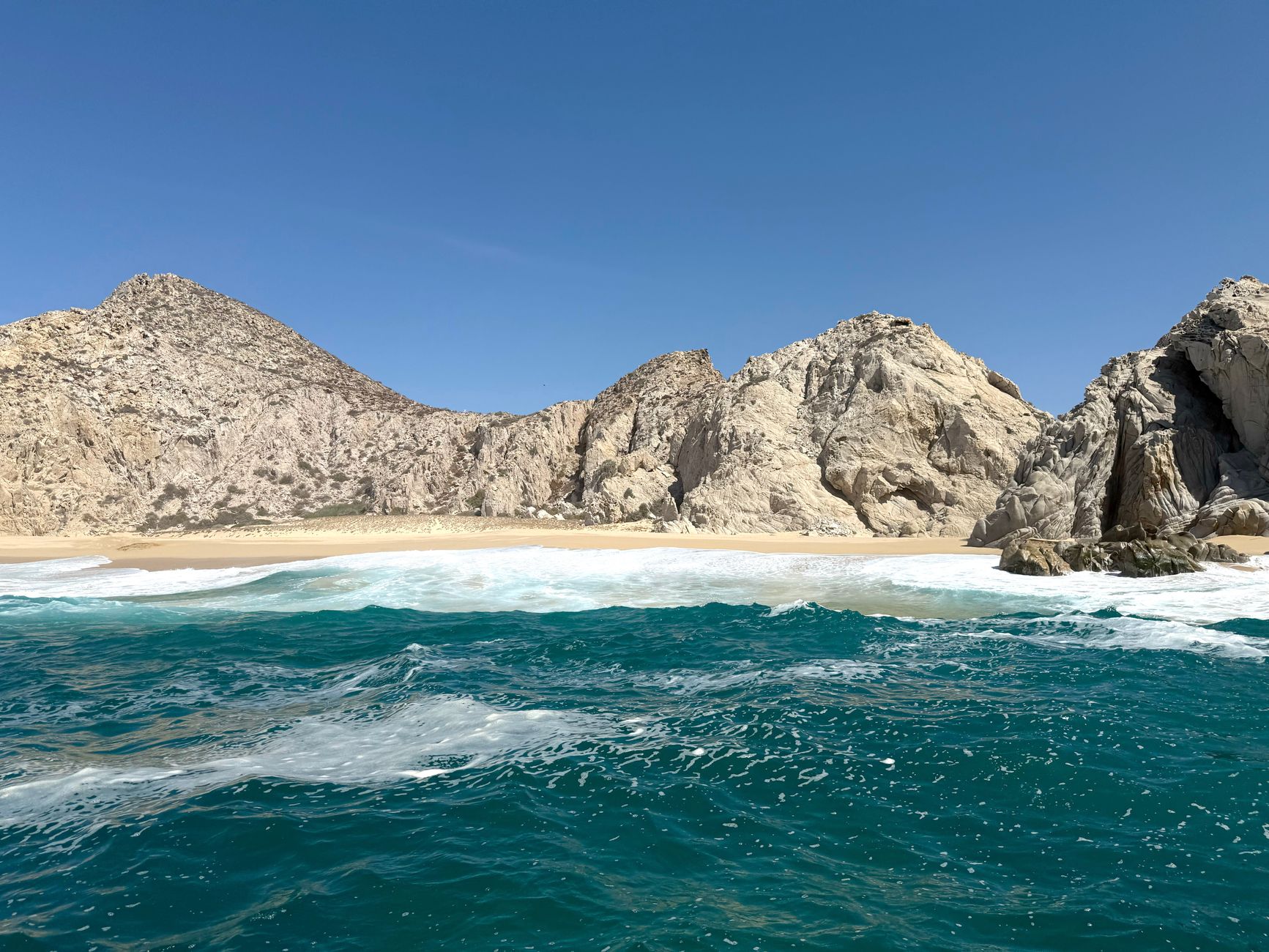
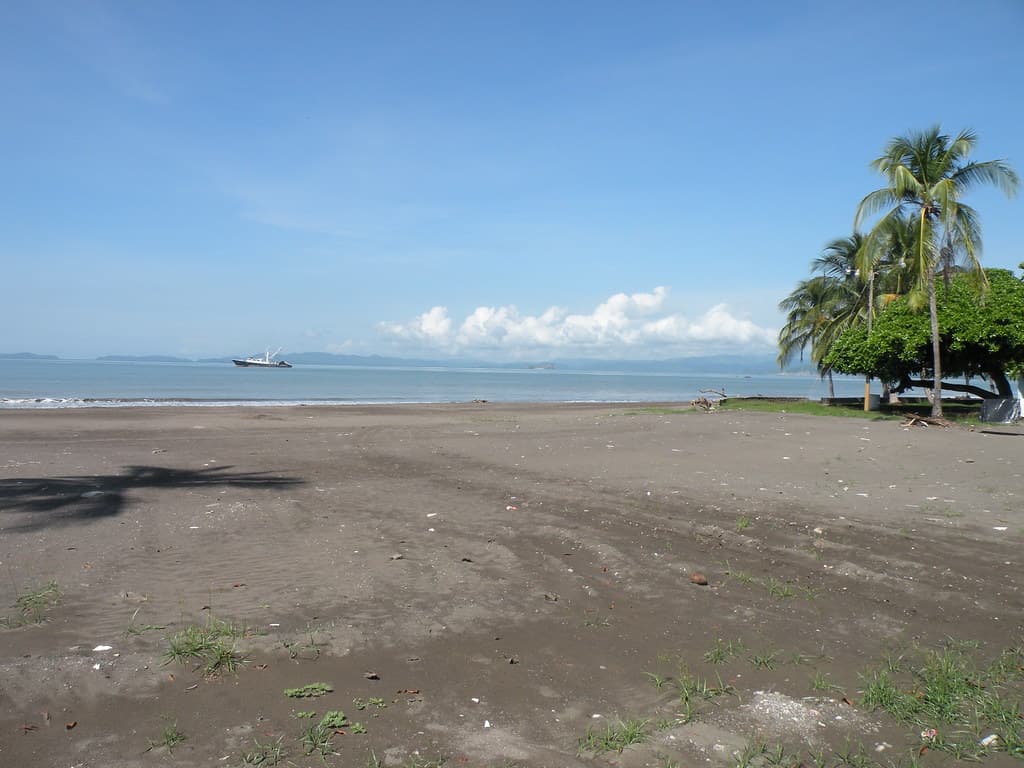
San Lucas rises low and green from the gulf, its shoreline broken into small beaches separated by rocky points and mangrove fingers. Playa Hacienda Vieja lies on the island's quieter flank, away from the boat landing and the crumbling penitentiary that draws most visitors. The beach is a gentle arc of sand maybe two hundred meters long, framed by scrubby vegetation and the remnants of old ranch fencing—rusted wire, weathered posts leaning at angles.
The water here is tepid and calm, tinted greenish-brown by sediment from the gulf. At low tide, sandbars emerge offshore, and you can walk out fifty meters before the water reaches your waist. Crabs scuttle across the wet sand, leaving delicate tracks. Behind the beach, the land rises gradually toward the island's forested interior, now a protected wildlife refuge. You might spot white-faced monkeys in the trees, or a troop of howlers announcing dawn with their guttural roar.
 Credit: Unsplash
A view of a beach at sunset with a cloudy sky
 Credit: Unsplash
A beach with a couple of people walking on it
Explore refuge forest paths
Document hacienda-era relics
Warm gulf sandbars
Prime Visitation
Best Weather|Less Crowds
Where it is
Playa Hacienda Vieja
Isla San Lucas, Puntarenas, Costa Rica
9.955400°, -84.910800°
Weather
Loading…
Swell
—
Temp
Warm · Restorative
UV Index
Moderate
Wind
—
Tidal State
Last known
Max Sunlight
—
Ideal Shade
—
Jan - Dec (Peak)
May - Nov (Off-season)
Best Weather|Less Crowds
Select a category to load nearby places.
Unlock restaurants, luxury stays and curated maritime experiences within 2km
Playa Hacienda Vieja generally offers calm, protected waters suitable for swimming due to its location within the Gulf of Nicoya. The sandy bottom provides easier entry than rocky beaches, though you should always check current conditions. There are no lifeguards or safety services on Isla San Lucas, as it's a wildlife reserve with no permanent population. The beach is remote, so swim cautiously and never alone. Be mindful of boat traffic in the area and stay close to shore. Marine life is generally harmless, but basic ocean safety applies.
December through April provides the best weather for visiting Playa Hacienda Vieja, with minimal rainfall and comfortable temperatures. This dry season ensures more reliable boat access and pleasant beach conditions. The shoulder months of November and May can offer good weather with even fewer visitors. Since Isla San Lucas is a former penal colony turned wildlife reserve, the island remains uncrowded year-round. Wildlife viewing, particularly birds and marine species, can be excellent throughout the year. Visiting during weekdays increases your chances of having the beach largely to yourself.
Reaching Playa Hacienda Vieja requires boat transportation to Isla San Lucas from the mainland. Boats can be chartered from Puntarenas or Paquera, though scheduled tourist services are limited. Some tour operators offer historical tours of the former prison island that include beach stops. The crossing typically takes 30-90 minutes depending on your departure point and weather conditions. You may also find local fishermen willing to provide transport, though arrangements should be made in advance. Confirm return pickup times before your boat departs, as the island has no facilities.
Playa Hacienda Vieja has absolutely no tourist facilities, restaurants, or accommodations. Isla San Lucas is a protected wildlife reserve with only the ruins of the former penitentiary remaining. Visitors must be completely self-sufficient, bringing all food, water, sun protection, and supplies. The nearest services are on the mainland in towns like Puntarenas or Paquera. Most people visit as part of a day trip, exploring the historic sites and beach before returning to mainland lodging. Pack out everything you bring, as there's no waste disposal infrastructure.
Playa Hacienda Vieja's uniqueness stems from its location on Isla San Lucas, Costa Rica's former maximum-security prison island turned wildlife sanctuary. The beach sits near historic ranch landscapes and prison ruins, offering a haunting yet beautiful blend of history and nature. The island's isolation has allowed ecosystems to recover dramatically since the prison closed in 1991. Wildlife now thrives where inmates once lived, creating an unusual juxtaposition. Visiting feels like stepping into a time capsule where nature reclaims human infrastructure, offering both beach relaxation and historical reflection in equal measure.
Photos