Counting the waves…
Counting the waves…
A refined fusion of water purity, environmental stability, and communal vibrancy for Playa Tumbabotes.
View MethodologyAnalyzed via live sensors and environmental data.
Wave height, wind, and atmospheric stability.
Live footfall and crowd balance metrics.
Community reviews and curated sentiment.
“Tumbabotes curves along the eastern shore of Costa Rica's former Alcatraz, a beach of coral rubble and hermit crabs where the penitentiary's ghosts still seem to linger in the cecropia shade. Only occasional tour boats…”
Limited recent visitor reports — live OBI telemetry is your best guide for current conditions.
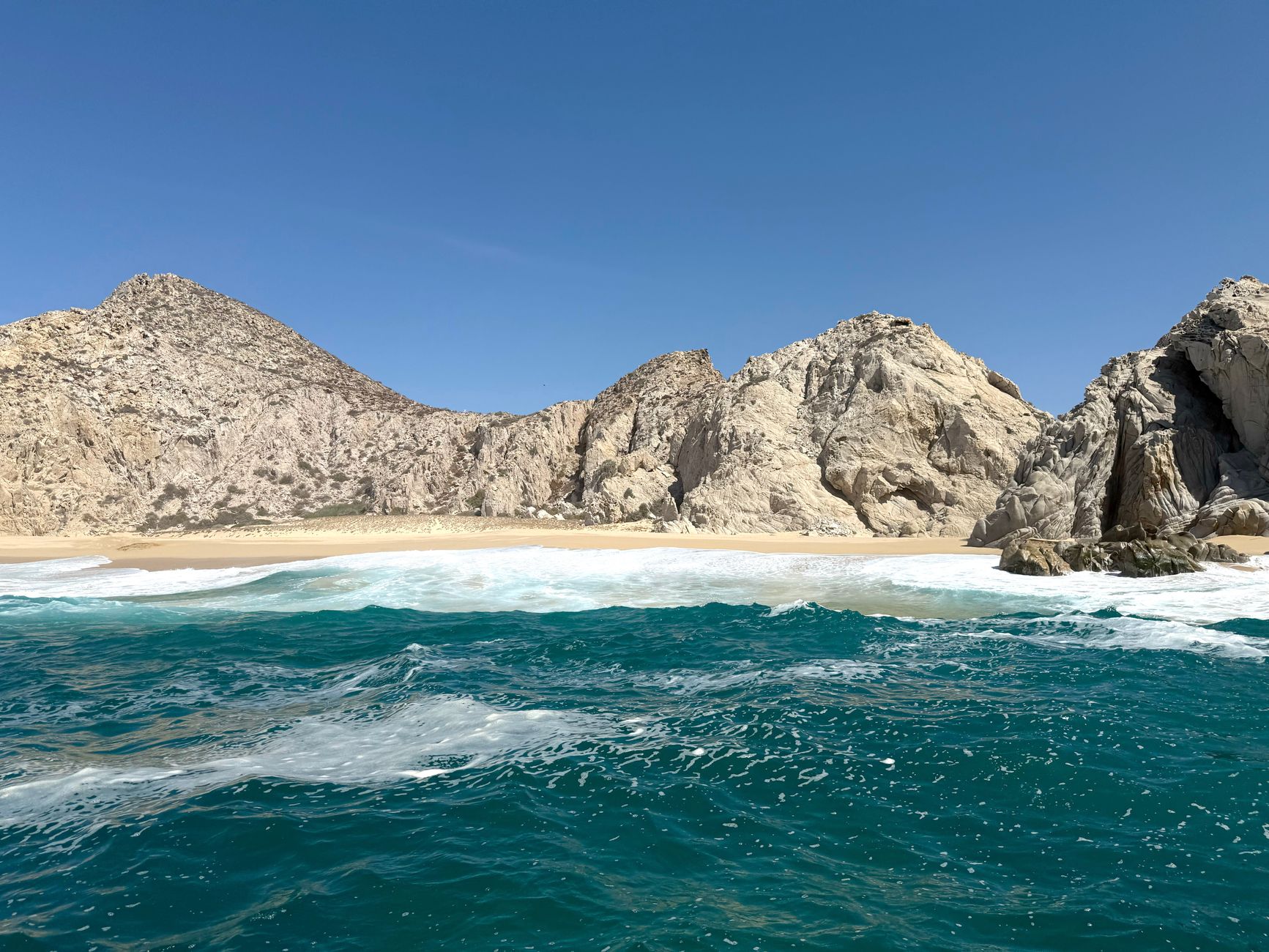
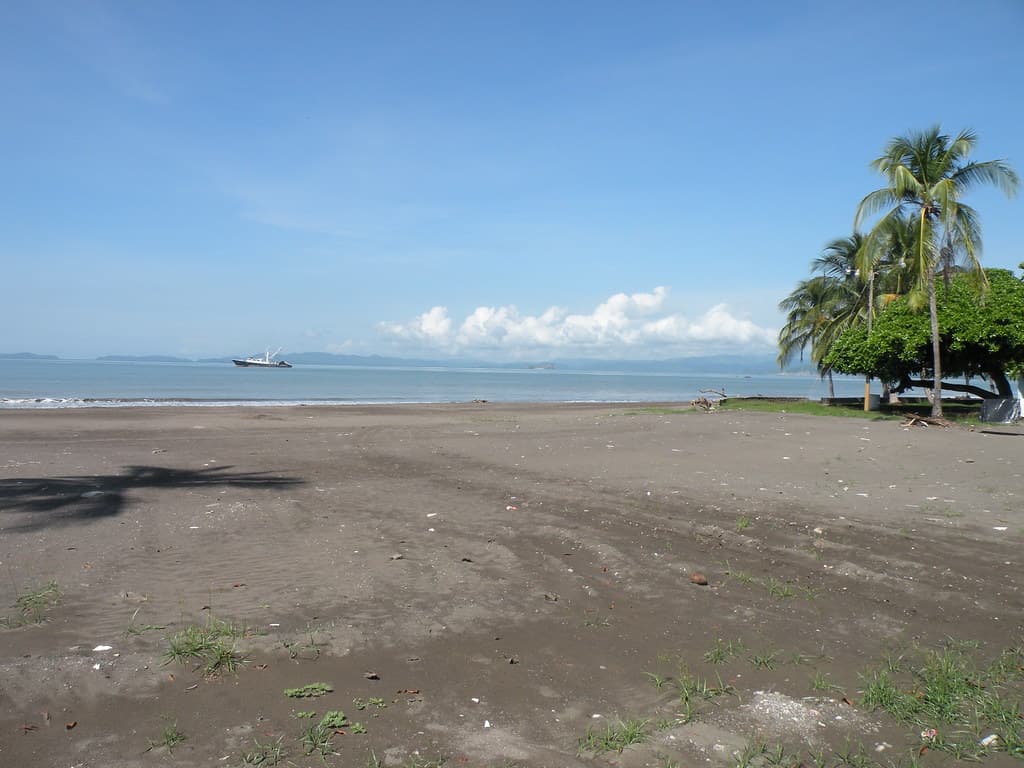
The boat approaches Isla San Lucas and you see the old prison first—crumbling concrete and rusted bars overtaken by strangler figs. Tumbabotes lies beyond the main landing beach, a smaller cove accessible by a footpath that winds through what used to be the warden's garden, now a riot of heliconia and wild mango. The sand here mixes with fragments of coral and volcanic pebbles, dark and coarse beneath your feet.
You won't find groomed perfection. The beach serves mostly as a landing spot for fishermen and the rare history buff willing to hike past the abandoned cellblocks. The water runs murky with gulf sediment, better for wading than swimming, though pelicans dive the shallows with ruthless efficiency. Behind you, the jungle has reclaimed everything—guard towers strangled by vines, pathways dissolved into leaf litter, the island returning to wildness after decades as Costa Rica's most feared penal colony.
 Credit: Unsplash
A view of a beach at sunset with a cloudy sky
 Credit: Unsplash
A beach with a couple of people walking on it
Ruins reclaimed by jungle
Crumbling walls and vines
Gulf sediment and pelicans
Prime Visitation
Less Crowds
Where it is
Playa Tumbabotes
Isla San Lucas, Puntarenas, Costa Rica
9.951300°, -84.900500°
Weather
Loading…
Swell
—
Temp
Warm · Restorative
UV Index
Moderate
Wind
—
Tidal State
Last known
Max Sunlight
—
Ideal Shade
—
Jan - Dec (Peak)
May - Nov (Off-season)
Historical data suggests peak visibility and stable sea temperatures occur during the prime visitation window.
Select a category to load nearby places.
Unlock restaurants, luxury stays and curated maritime experiences within 2km
Swimming conditions at this cove are generally calmer than open gulf waters due to natural protection, though you should still check conditions before entering. The beach has no lifeguards or safety services, so swim cautiously and with others. Water clarity varies depending on recent weather and tides. Be aware that Isla San Lucas has historical significance as a former prison island, but the beaches themselves pose no unusual safety concerns. Always wear water shoes and watch for boat traffic if swimming in the cove.
Visiting during the dry season (December through April) ensures better weather and easier boat access to Isla San Lucas. The island sees very few visitors year-round, so crowds are rarely an issue. Mid-week visits offer even more solitude. Early morning arrivals provide cooler temperatures and better wildlife viewing opportunities. If you're interested in the island's historical prison sites, plan for a half-day visit to explore both the beach and cultural attractions. Green season visits are possible but prepare for potential rain.
Reaching this beach requires arranging boat transportation to Isla San Lucas, typically from Puntarenas or Paquera. Some tour operators offer historical tours of the island that may include beach time. Private boat charters can be arranged through local operators, though you should book in advance. The island is uninhabited except for occasional maintenance staff and tour groups. Specify Playa Tumbabotes to your boat operator, as it's less visited than the main landing beach. Travel time varies but typically ranges from 30 minutes to over an hour depending on departure point.
Isla San Lucas has no operating restaurants, shops, or tourist facilities, as the former prison island is now abandoned. You must bring all food, water, and supplies for your visit. Some organized tours may provide refreshments, but confirm beforehand. The island has historical buildings from its prison days, but these are not functioning facilities. Pack sufficient drinking water, snacks or lunch, sun protection, and insect repellent. All trash must be carried back with you to the mainland. Plan as a self-sufficient day trip.
While most visitors to Isla San Lucas stay at the main landing beach near the old prison buildings, Playa Tumbabotes offers a more secluded cove experience away from the island's historical center. This lesser-known beach provides greater privacy and a stronger sense of discovery. The cove setting creates different swimming conditions and beach atmosphere than the main beach. Visiting here allows you to combine historical exploration of the former prison with a hidden beach experience. The natural setting feels more remote and untouched than areas near the old prison complex.
Photos