Counting the waves…
Counting the waves…

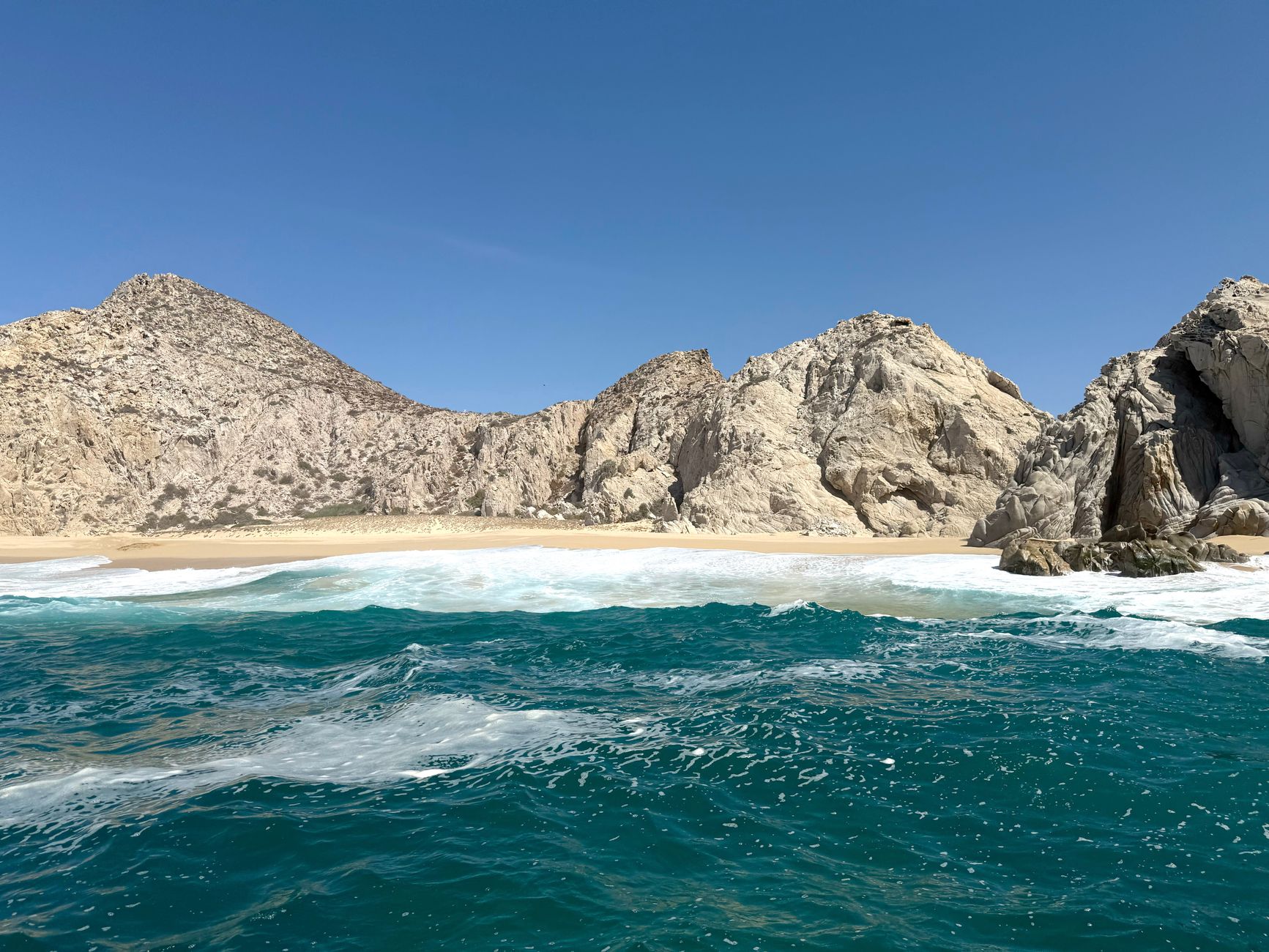
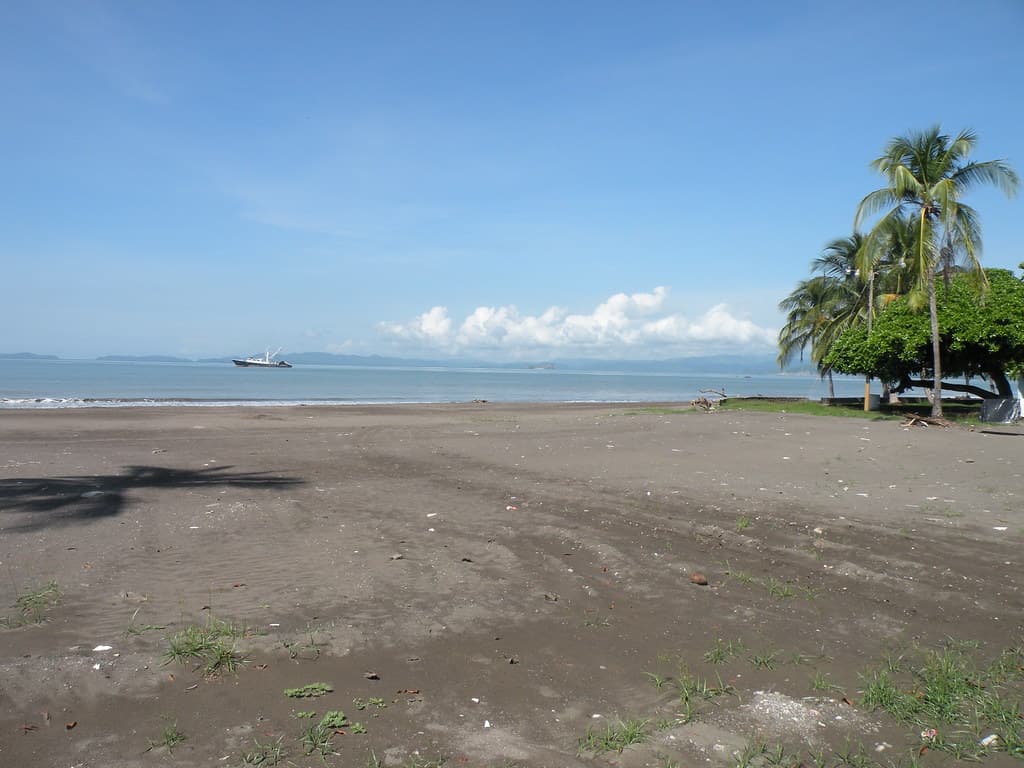
Playa El Coco curves inward, a pocket of sand embraced by low, forested points. The water here barely moves, sheltered from gulf currents and afternoon winds. You can swim without thinking about tides or chop, just slide into the warm shallows and float on your back, staring up through the canopy of beach almonds and figs. Butterflies—bright blue morphos, yellow sulfurs—drift across the sand, landing briefly on driftwood before lifting off again. The cove's intimacy makes it feel private even when you're not alone. A couple might wade in the shallows at one end while you rest in the shade at the other, and the space absorbs you both without crowding. The sand is fine and pale, mixed with fragments of coral and shell that catch the light. Behind the beach, the forest is thick and alive—iguanas bask on low branches, and you'll hear the rustle of crabs in the leaf litter. Most visitors to San Lucas come for the abandoned prison, its cellblocks and solitary confinement holes a grim window into Costa Rica's penal past. Playa El Coco offers a different narrative—one of renewal and peace. After walking those haunted corridors, the cove's gentle water and dappled shade feel like absolution. You sit, you swim, you let the place settle your thoughts. The contrast is intentional; the island contains both stories, and this beach is where you process the darker one.
Places, rentals, tours and events within walking and driving distance of Playa El Coco.
Photos
Swimming conditions at Playa El Coco are generally calm due to its sheltered cove location within the Gulf of Nicoya. The protected position minimizes strong currents and large waves. However, always assess conditions upon arrival, as tides and weather can vary. Since this is a remote island beach with no lifeguards or emergency services readily available, swim within your ability level and never alone. Be aware of boat traffic if vessels are accessing the island, and stay close to shore in designated swimming areas.
The dry season from December through April offers the best weather with sunny skies and calm seas, ideal for boat access and beach activities. This period also sees fewer crowds since Isla San Lucas is off the typical tourist trail. Mid-week visits provide the most solitude. The wet season (May-November) brings afternoon showers and rougher gulf waters that can complicate boat transport. Early morning visits year-round offer the calmest conditions and best light for photography of this scenic cove setting.
Reaching Playa El Coco requires boat transportation, as Isla San Lucas has no bridge or public ferry service. You'll need to arrange a private water taxi or tour from Puntarenas (approximately 30-45 minutes) or from nearby coastal towns around the Gulf of Nicoya. Some operators offer half-day or full-day island tours that include the former prison site and beach stops. Confirm with your boat operator that they'll specifically stop at Playa El Coco, as most focus on the main prison landing area. Sea conditions determine accessibility.
Playa El Coco has no restaurants, vendors, or accommodation facilities. Isla San Lucas is uninhabited except for occasional park rangers or tour guides, as the former prison was closed decades ago. Visitors must bring all food, water, and supplies for their beach visit. Pack a cooler with refreshments and snacks, plus extra drinking water. Most tours from Puntarenas include lunch or allow you to bring your own. There are no facilities, so pack out all trash. Plan to return to the mainland for dining and overnight stays in Puntarenas or nearby beach towns.
Playa El Coco's unique appeal lies in its connection to Isla San Lucas's history as Costa Rica's former maximum-security prison island, often called the country's Alcatraz. While most visitors focus on the abandoned prison ruins, this sheltered cove offers a peaceful counterpoint for couples seeking a romantic, hidden beach experience. The beach combines historical intrigue with natural beauty—calm turquoise waters, lush tropical surroundings, and isolation that few Gulf beaches can match. The island's protected status as a wildlife refuge adds ecological significance to your visit.