Counting the wavesβ¦
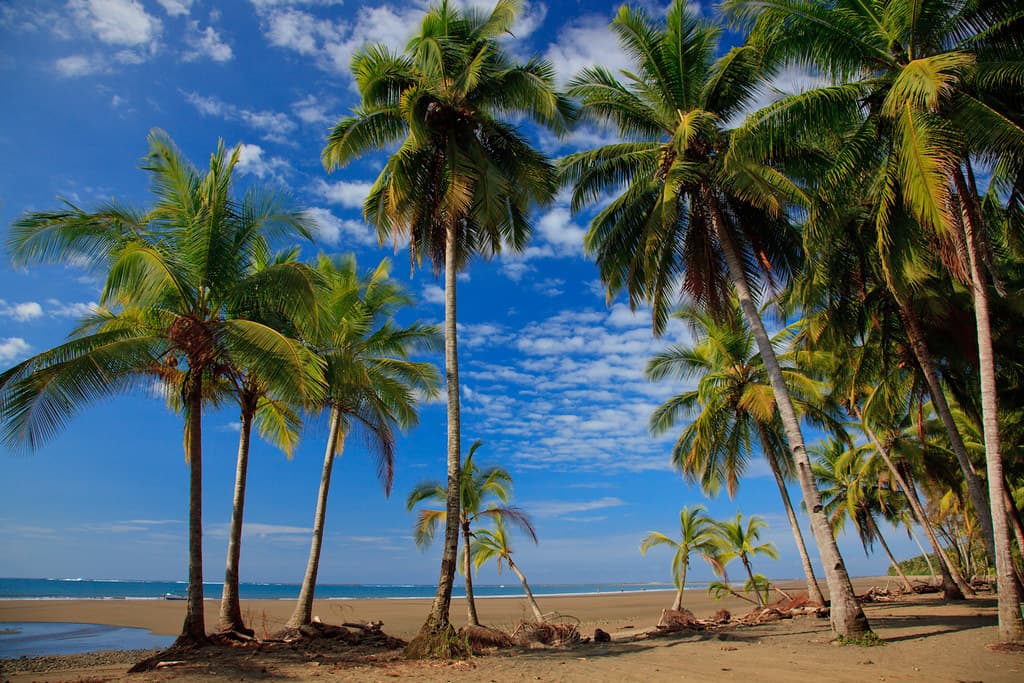
You'll know you've found the right access road when pavement gives way to washboard ruts and overhanging branches scrape your roof. The track spits you onto a beach where dark sand meets aquamarine shorebreak in a collision of color that defies the Pacific's usual muddy palette. Offshore winds groom the swells into A-frames that jack over submerged reef, offering brief windows of perfection before the tide shifts and turns the lineup into a closeout washing machine. This isn't a beach for timid swimmers. Rips run parallel to shore, and the bottom drops quickly beyond the first sandbar. Surfers who know the break wait for the inside bowl section, pulling into barrels that spit salt spray before collapsing onto ankle-deep rock. Between sets, pelicans dive-bomb baitfish pushed up by the reef's contours, and frigatebirds circle overhead, their forked tails scissoring against clouds that build and dissipate all afternoon. Sunset transforms Hermosa into a study in silhouettes: surfers stroking into black waves edged in copper light, fishing boats motoring south toward Uvita, the jungle headlands darkening to solid mass against a sky layered in vermillion and ash. The beach empties fast after the sun dropsβno restaurants or bars mean no reason to linger once the light dies. Drive out the rutted road in darkness, your headlights catching moths and the occasional agouti crossing to forage in the leaf litter.
Places, rentals, tours and events within walking and driving distance of Playa Hermosa de Uvita.
Photos
Playa Hermosa de Uvita is primarily a surf beach known for powerful waves and strong currents, making it more suitable for surfing than swimming. The beach lacks lifeguards, and conditions can be challenging even for experienced swimmers. Rip currents are common, and the surf can be heavy, especially during larger swells. If you choose to swim, stay in shallow water, never go alone, and be aware of changing conditions. Families with children should exercise extreme caution. For safer swimming, consider the more protected beaches in Marino Ballena National Park nearby.
The dry season from December through April provides the best weather with consistent sunshine, though surf conditions vary by swell direction and size. Green season (May to November) offers fewer crowds, lower prices, and dramatic scenery, with morning usually clearer than afternoons. For photography, early morning and late afternoon golden hours showcase the beach's scenic beauty. Surfers should check swell forecasts as conditions change throughout the year. Because it's less crowded than Dominical or central Uvita beaches, you can find solitude even during busier months, especially on weekdays.
Playa Hermosa de Uvita is located between Dominical and Uvita along the Costanera Sur highway. Look for beach access points along this stretch; some are better marked than others. The beach is essentially a long section of coastline, so access can be found at various points, though roads may be unpaved and rough. From Dominical, head south for about 10-15 minutes; from Uvita, head north for similar time. Parking areas exist but are informal. A vehicle provides easiest access, though locals may arrive by bike or on foot from nearby areas.
Accommodations near Playa Hermosa de Uvita include small hotels, eco-lodges, vacation rentals, and surf camps scattered along the coast and in the hills. The area is quieter and less developed than Dominical or Uvita town centers. For dining, options directly at the beach are very limited; most visitors rely on their accommodations or drive to Uvita or Dominical (each about 10-15 minutes) where you'll find restaurants, cafes, sodas, and grocery stores. Some lodges offer meal service. The relative remoteness means planning ahead for provisions is advisable.
Playa Hermosa de Uvita remains relatively hidden because it sits between the popular hubs of Dominical and Uvita, so many visitors gravitate toward those town-center beaches instead. It lacks major development, resort infrastructure, and prominent signage that draws crowds. The powerful surf conditions make it less appealing for casual swimmers and families seeking calm water. Access points are less obvious than at national park beaches. This combination creates a more local, undiscovered feel that attracts surfers and travelers seeking photogenic scenery without the crowds found at neighboring beaches.