
Counting the waves…
Counting the waves…

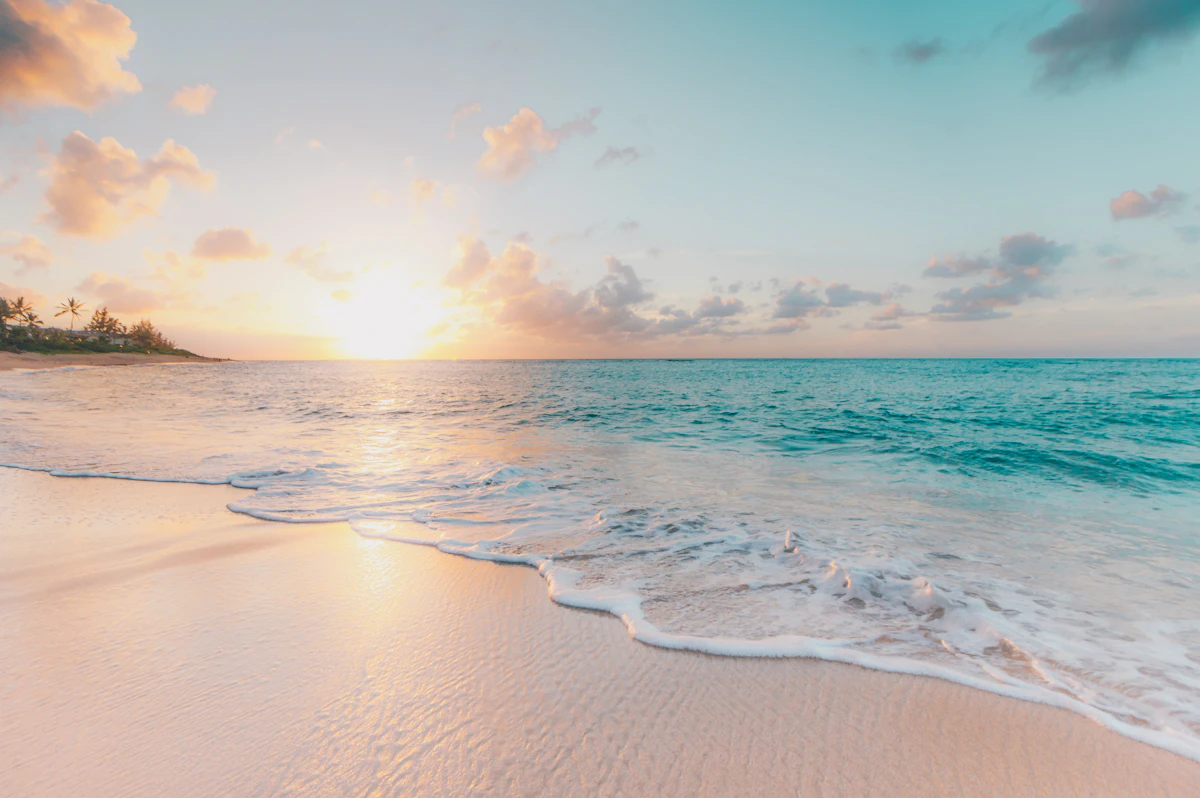
The path from the parking area threads through marram grass and low thickets before opening onto a wide, pale strand that feels more like the edge of Scandinavia than a beach an hour from Copenhagen. Stængehus sits quieter than its eastern neighbor Tisvildeleje proper, its shoreline backed by rolling dunes that shield you from the road and frame the forest canopy beyond. The sand is fine and cool underfoot, the color of wet parchment, and the Baltic here runs shallow and calm—wading out fifty meters, the water barely reaches your thighs. Behind the beach, Tisvilde Hegn unfolds in shadowed corridors of Scots pine and beech, laced with trails that lead to moss-covered troll sculptures and the inland lake Asserbo Plantage. Late-afternoon light slants low across the dunes, gilding the sand in amber and rose, and you'll often find yourself alone save for a few couples walking the tide line or a dog chasing foam. Come in shoulder season—early June or September—and the beach belongs almost entirely to you. There are no kiosks, no umbrellas for rent, no hawkers. Just the wind, the forest, and a coastline that refuses to perform. Bring a thermos of coffee, a blanket, and the willingness to let a Danish beach be exactly what it is: raw, restorative, and utterly unbothered.
Places, rentals, tours and events within walking and driving distance of Stængehus Beach.
Photos
Stængehus Beach is generally safe for swimming, though like most Danish beaches, lifeguards are not always present. The sandy bottom and gradual slope make it suitable for families, but always supervise children closely. Currents can develop along this open coastline, particularly during windy conditions. The beach's location west of Tisvildeleje means it's slightly more sheltered than beaches facing directly north. Water quality is typically excellent, meeting Danish standards. During summer, conditions are usually calm, but always check weather forecasts. The nearby dunes and forest provide natural shelter from wind.
Visit Stængehus Beach between June and August for optimal swimming weather and warmest water temperatures. However, this beach is particularly appealing during May and September when crowds thin but weather remains pleasant for walking and sunbathing. The combination of forest, dunes, and beach makes it attractive year-round for nature enthusiasts. Early mornings and weekdays offer the most solitude. Sunset visits are highly recommended, as the beach's western location provides spectacular evening light. Late spring showcases wildflowers in the surrounding dunes, while autumn offers peaceful beach walks with dramatic skies.
Stængehus Beach is located approximately 60 kilometers northwest of Copenhagen, west of Tisvildeleje town. By car, take Route 16 north, then Route 267 to Tisvildeleje; Stængehus Beach is a few kilometers west along the coast road with parking areas available. From Tisvildeleje center, it's a pleasant 20-30 minute walk or short bike ride westward along the beach path. Public transport involves taking a train to Hillerød, then bus 362 to Tisvildeleje, followed by walking or cycling. The area is well-suited for cycling, with coastal paths connecting beaches.
Tisvildeleje, the nearest town, offers various restaurants, cafés, ice cream shops, and a supermarket for provisions. Dining ranges from casual beachside kiosks to upscale restaurants featuring New Nordic cuisine and fresh seafood. Accommodation options include traditional Danish summer cottages (highly popular, book early), holiday apartments, and a few small hotels and bed-and-breakfasts. Many visitors rent weekly cottages in the residential areas near the beach. Tisvildeleje has a charming town center with bakeries and shops. Some beachfront properties offer stunning views of the dunes and sea.
Stængehus Beach distinguishes itself through its pristine natural setting where beach, dunes, and Tisvilde Hegn forest converge, creating diverse landscapes within walking distance. Unlike more developed sections of coastline, this area maintains a wilder character with protected dune systems and forest trails leading directly from the sand. The beach offers a quieter alternative to central Tisvildeleje while remaining easily accessible. The combination of sunbathing opportunities, forest walks, and relative seclusion makes it particularly appealing for couples and nature lovers. The transition from beach to woodland creates unique scenic variety rare on Zealand's coast.