Counting the waves…
Counting the waves…
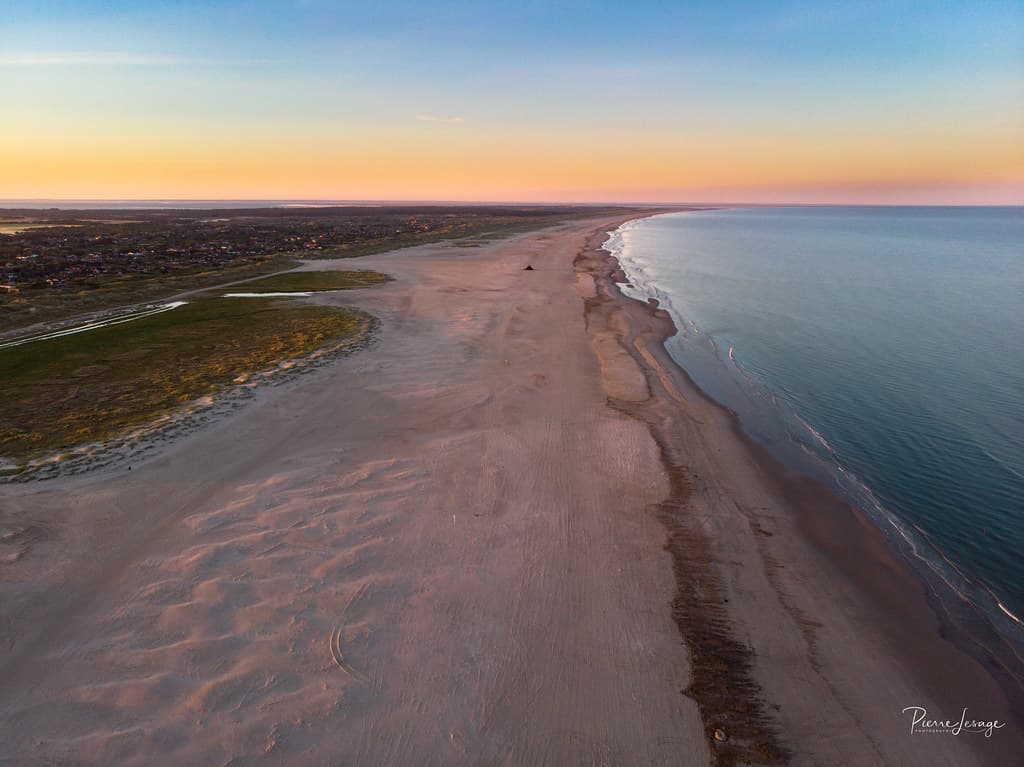
You park near the edge of the plantation—a rare stand of windswept pines planted a century ago to anchor the island's migrating sands—and walk westward through a corridor of rustling grass. The path opens onto a beach so broad that the waterline shimmers like a mirage in the distance. Gulls wheel overhead; the air tastes of salt and resin. This is Fanø's undeveloped flank, a place where commercial beach bars and rental kiosks have no foothold. Instead, you spread your towel on sand the color of pale honey, warmed by the sun even when the breeze off the North Sea makes you pull on an extra layer. When the tide retreats, tidal flats stretch toward the horizon, and you can walk for what feels like miles on firm, wet sand that reflects the sky. Surfers dot the break on windy afternoons, their silhouettes dark against silver water. Families with small children collect shells near the dune line. But the beach absorbs everyone without ever feeling crowded. By late afternoon, when the light turns amber and the plantation casts long shadows across the sand, you'll understand why locals guard this stretch so fiercely—not through secrecy, but through the quiet knowledge that some places reward those who seek less noise.
Places, rentals, tours and events within walking and driving distance of Klitplantage Strand.
Photos
Klitplantage Strand can be suitable for swimming, but North Sea conditions require caution. Currents, waves, and tides can be unpredictable, making it more appropriate for confident swimmers. This beach has limited or no lifeguard presence, so assess conditions carefully before entering the water. The area attracts some surfers, indicating wave action. Always check weather forecasts and tide times. The dune-backed setting provides some wind shelter, but ocean conditions should always be respected, particularly with children or inexperienced swimmers.
Klitplantage Strand is best visited during late spring through early autumn for comfortable weather, though it remains less crowded than commercial beaches year-round. Surfers may prefer autumn and winter when North Sea swells are stronger. Weekdays offer more solitude than weekends. Early morning visits provide the most peaceful atmosphere and often the best light for the scenic dune landscape. Because this section is less commercial, even peak summer months offer relatively uncrowded conditions compared to resort beaches elsewhere on Fanø.
Access Klitplantage Strand by first taking the Esbjerg-Fanø ferry, then traveling by car, bicycle, or bus toward the Fanø Klitplantage area on the island's west coast. The beach is accessible via paths through the dune plantation that gives it its name. Parking areas are available near the plantation. Cycling is popular and practical, with relatively flat terrain making it easy to reach from main villages. The beach sits between the more developed northern areas and quieter southern stretches of Fanø's coastline.
Klitplantage Strand has minimal on-site facilities, reflecting its less-commercial nature. The nearest dining and accommodation options are in Fanø Bad and Rindby, both within easy cycling or driving distance. These villages offer restaurants, cafés, grocery stores, and various lodging from hotels to holiday homes. Because this beach prioritizes natural surroundings over amenities, bring your own refreshments for the day. Many visitors appreciate the quiet, undeveloped character and plan accordingly with packed supplies.
Klitplantage Strand's defining feature is its proximity to the Fanø Klitplantage dune plantation, creating a distinctive landscape where pine-covered dunes meet open sandy beach. This less-commercial section offers more natural scenery and tranquility than resort areas while being suitable for surfing when conditions allow. The combination of forest-backed dunes and west-coast exposure creates a unique setting on the island. It appeals to visitors seeking nature, space, and a more authentic coastal experience without the facilities and crowds of developed beaches.