Counting the waves…
Counting the waves…
A refined fusion of water purity, environmental stability, and communal vibrancy for Blåvand Beach.
View MethodologyAnalyzed via live sensors and environmental data.
Wave height, wind, and atmospheric stability.
Live footfall and crowd balance metrics.
Community reviews and curated sentiment.
“You'll taste salt on your lips before you crest the dune line, where wind-sculpted marram grass gives way to a beach so broad the waterline shimmers like a mirage. Blåvand's famous shore stretches uninterrupted for…”
Limited recent visitor reports — live OBI telemetry is your best guide for current conditions.
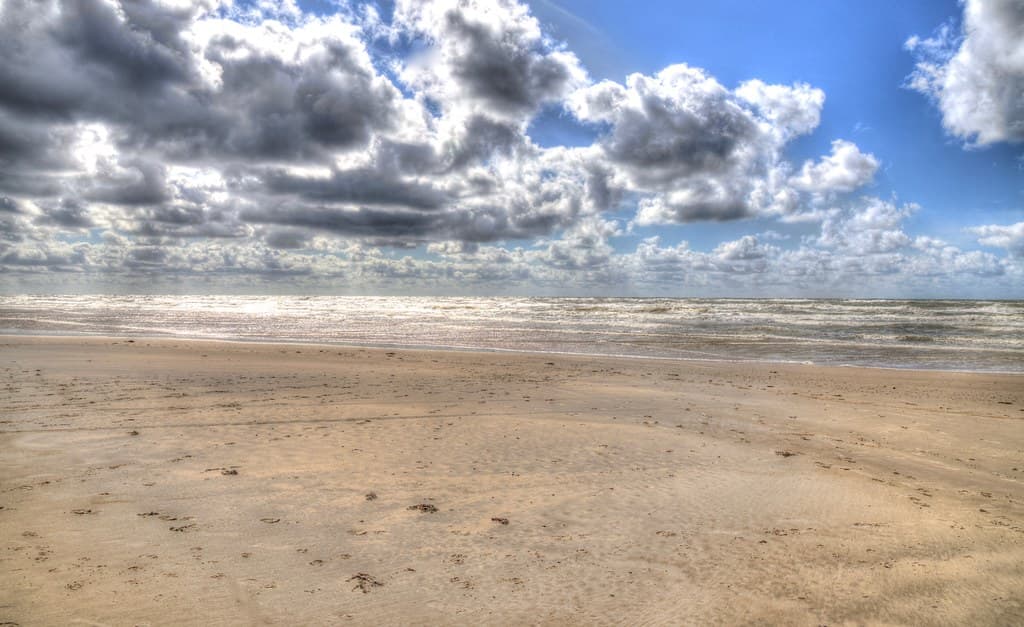
The walk from the car park winds through low dunes stippled with sea buckthorn, their orange berries bright against grey-green foliage. Then the beach opens before you—a vast canvas of blonde sand ribbed by tide, so wide that families pitch windbreaks a hundred metres from the surf and still claim solitude. The North Sea here is temperamental: one afternoon glassy and inviting, the next churning with white horses that pound the shore in rhythmic percussion.
Blåvandshuk lighthouse rises to the north, its 39-metre tower a rust-red punctuation mark against scudding clouds. Built in 1900, it anchors a headland where two seas technically meet, though the water looks uniformly steel-grey most days. Bunkers from World War II peek through the dunes like half-buried secrets, now colonized by graffiti and curious children.
 Credit: Unsplash
aerial view of beach during daytime
 Credit: Unsplash
brown grass on beach shore during daytime
Climb for sunset panoramas
WWII concrete relics in dunes
Bracing waves, shallow sandbars
Prime Visitation
Best Weather
Where it is
Blåvand Beach
Blåvand, South Denmark, Denmark
55.552700°, 8.080600°
Weather
Loading…
Swell
—
Temp
Warm · Restorative
UV Index
Moderate
Wind
—
Tidal State
Last known
Max Sunlight
—
Ideal Shade
—
May - Sep (Peak)
Jan - Dec (Off-season)
Historical data suggests peak visibility and stable sea temperatures occur during the prime visitation window.
Select a category to load nearby places.
Unlock restaurants, luxury stays and curated maritime experiences within 2km
Blåvand Beach requires typical North Sea safety awareness. There are no lifeguards, so swimmers must judge conditions independently. The beach experiences currents, cold water, and variable wave conditions depending on wind and weather. During calm summer days, swimming is more manageable, especially in shallow areas. Strong winds create rougher conditions that can be hazardous. The wide, open beach makes it easy to supervise children, but close supervision near water is essential. Many families enjoy the beach for playing, walking, and exploring rather than swimming. The area is generally family-friendly with good facilities, but ocean swimming demands respect and caution.
The optimal time for Blåvand Beach is June through August when weather is warmest and all tourist facilities operate fully. These months provide the best conditions for beach activities and sightseeing around the famous Blåvandshuk lighthouse. May and September offer pleasant weather with fewer crowds, ideal for walking and photography. The beach is spectacular for sunset viewing year-round, with evening light creating dramatic scenes. Autumn and winter provide moody coastal atmospheres perfect for storm watching and solitary walks, though services are limited and weather requires warm clothing. Spring brings migrating birds and blooming coastal vegetation. Weather can be unpredictable in any season.
Blåvand Beach is located at Denmark's westernmost point, approximately 30 kilometers west of Varde in southern Jutland. The primary access is by car via Route 181 from Varde or Route 475 from Esbjerg. From Esbjerg, it's about 35 kilometers southwest. There's no train service to Blåvand, but buses connect to Varde and Esbjerg, especially during summer. From Copenhagen, expect approximately a 3-hour drive. Multiple parking areas serve the beach and lighthouse area, with fees during peak season. The beach and town are well-signposted. Once there, the compact area is easily explored on foot or by bicycle.
Blåvand offers extensive accommodation including holiday homes, hotels, apartments, and several large camping resorts. As one of Denmark's premier beach destinations, the area caters well to tourists with varied budgets. Restaurants range from casual beach cafes to family restaurants serving Danish and international cuisine, with fresh seafood featured prominently. Several supermarkets provide groceries for self-catering. Ice cream shops and bakeries add to the resort atmosphere. The town center has good dining concentration. Advance booking is crucial during summer peak season and school holidays when demand is highest. The area maintains strong tourist infrastructure while preserving coastal character.
Blåvand Beach ranks among Denmark's most iconic coastal destinations, famous for its location near Blåvandshuk, Denmark's westernmost point. The distinctive red-striped Blåvandshuk lighthouse is one of the country's most photographed landmarks and Instagram-worthy sites. The beach offers stunning North Sea scenery with wide sandy expanses and dramatic dune landscapes. Excellent sunset views draw photographers and romantics year-round. The area combines natural beauty with good tourist facilities and historical military bunkers from World War II. The combination of the famous lighthouse, beautiful beach, and well-developed resort infrastructure makes Blåvand one of Denmark's best-known and most visited west-coast destinations.
Photos