Counting the waves…
Counting the waves…
A refined fusion of water purity, environmental stability, and communal vibrancy for Hvidbjerg Strand.
View MethodologyAnalyzed via live sensors and environmental data.
Wave height, wind, and atmospheric stability.
Live footfall and crowd balance metrics.
Community reviews and curated sentiment.
“You'll hear the rustle of marram grass before you crest the dune path and see the pale expanse stretching toward Germany. The beach curves gently south, sheltered enough that towels stay put and children wade without…”
Limited recent visitor reports — live OBI telemetry is your best guide for current conditions.
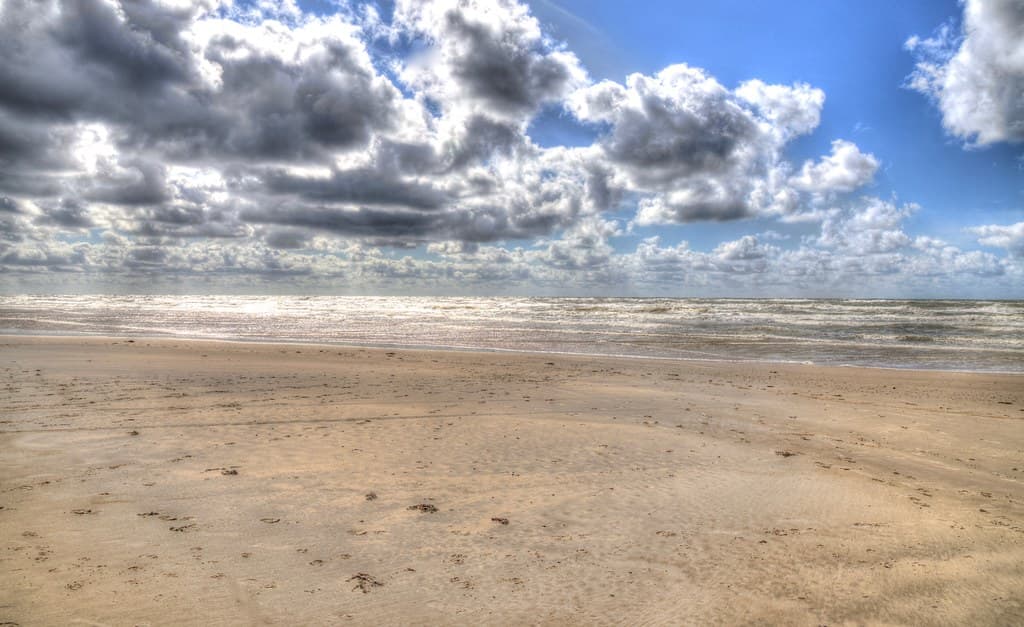
Hvidbjerg Strand unfolds as a low-drama alternative to Blåvand's busier stretches, a place where the sand holds the warmth of the sun long after families have packed their coolers. The beach runs wide at low tide, leaving tide pools that collect small crabs and polished stones, and the dunes behind you rise just high enough to cut the wind without blocking the view. You'll pass holiday cottages with bicycles leaning against wooden fences on your way in, and the scent of grilled pølser drifts from campsites hidden in the pines.
The water here is the North Sea at its most manageable—cold, yes, but the slope is gradual and the waves rarely reach past your knees unless a storm is brewing offshore. Locals spread blankets in the hollow between dunes, using the natural architecture for windbreaks, and you'll notice how the light changes as the afternoon stretches toward evening, turning the wet sand into a mirror that doubles the sky.
 Credit: Unsplash
aerial view of beach during daytime
 Credit: Unsplash
brown grass on beach shore during daytime
Natural windbreaks hold afternoon warmth
Gentle slope suits cautious swimmers
Wet sand mirrors evening clouds
Prime Visitation
Best Weather
Where it is
Hvidbjerg Strand
Blåvand, Southern Denmark Region, Denmark
55.553700°, 8.124500°
Weather
Loading…
Swell
—
Temp
Warm · Restorative
UV Index
Moderate
Wind
—
Tidal State
Last known
Max Sunlight
—
Ideal Shade
—
May - Sep (Peak)
Jan - Dec (Off-season)
Historical data suggests peak visibility and stable sea temperatures occur during the prime visitation window.
Select a category to load nearby places.
Unlock restaurants, luxury stays and curated maritime experiences within 2km
Hvidbjerg Strand has a somewhat sheltered feeling compared to more exposed stretches of Denmark's west coast, but standard North Sea safety precautions apply. The sandy bottom and gradual slope make it family-friendly, though currents and wave conditions can vary with weather and tides. Always check local weather forecasts and wave conditions before swimming. Lifeguard coverage may be limited or seasonal, so supervise children closely. The beach's location in the Blåvand area means it benefits from some natural protection, but respect the sea's power.
Hvidbjerg Strand is best visited during the summer months (June through August) when Denmark's west coast enjoys its warmest and most stable weather. This period offers the longest daylight hours and best conditions for sunbathing and family beach activities. The beach is known for beautiful sunsets, which can be enjoyed throughout the warmer months. Spring and early autumn can also be pleasant for beach walks and nature observation, though swimming may be less comfortable due to cooler water and air temperatures.
Hvidbjerg Strand is located in the Blåvand area of western Jutland, accessible by car from major Danish cities. From Copenhagen, the drive takes approximately 3.5-4 hours via the E20 and Route 12. From Aarhus, expect about 2 hours of driving. The nearest significant town is Varde, located about 20 kilometers east. Public transportation to this area is limited, so having a car is highly recommended. The beach is well-signposted once you're in the Blåvand region, with parking available near beach access points.
The Hvidbjerg Strand area is dominated by holiday homes and campsites, which are the primary accommodation types in this part of the Blåvand coast. These self-catering options are popular with Danish and German families on summer holidays. The nearby Blåvand town offers several restaurants, cafes, and grocery stores for provisions. Varde, a larger town about 20 kilometers away, provides additional dining and shopping options. The area caters to families on longer stays rather than overnight visitors, with facilities geared toward vacation rentals.
Hvidbjerg Strand is noted for its relatively sheltered feeling, which distinguishes it from more exposed beaches in the Blåvand area. The beach offers a quieter, more residential atmosphere compared to the busier central Blåvand beach near the lighthouse. Its proximity to campsites and holiday home communities creates a family-oriented environment perfect for extended stays. The beach provides excellent sunset viewing opportunities typical of Denmark's west-facing coast, while maintaining a less crowded feel than the main tourist beaches in the region.
Photos