Counting the wavesβ¦
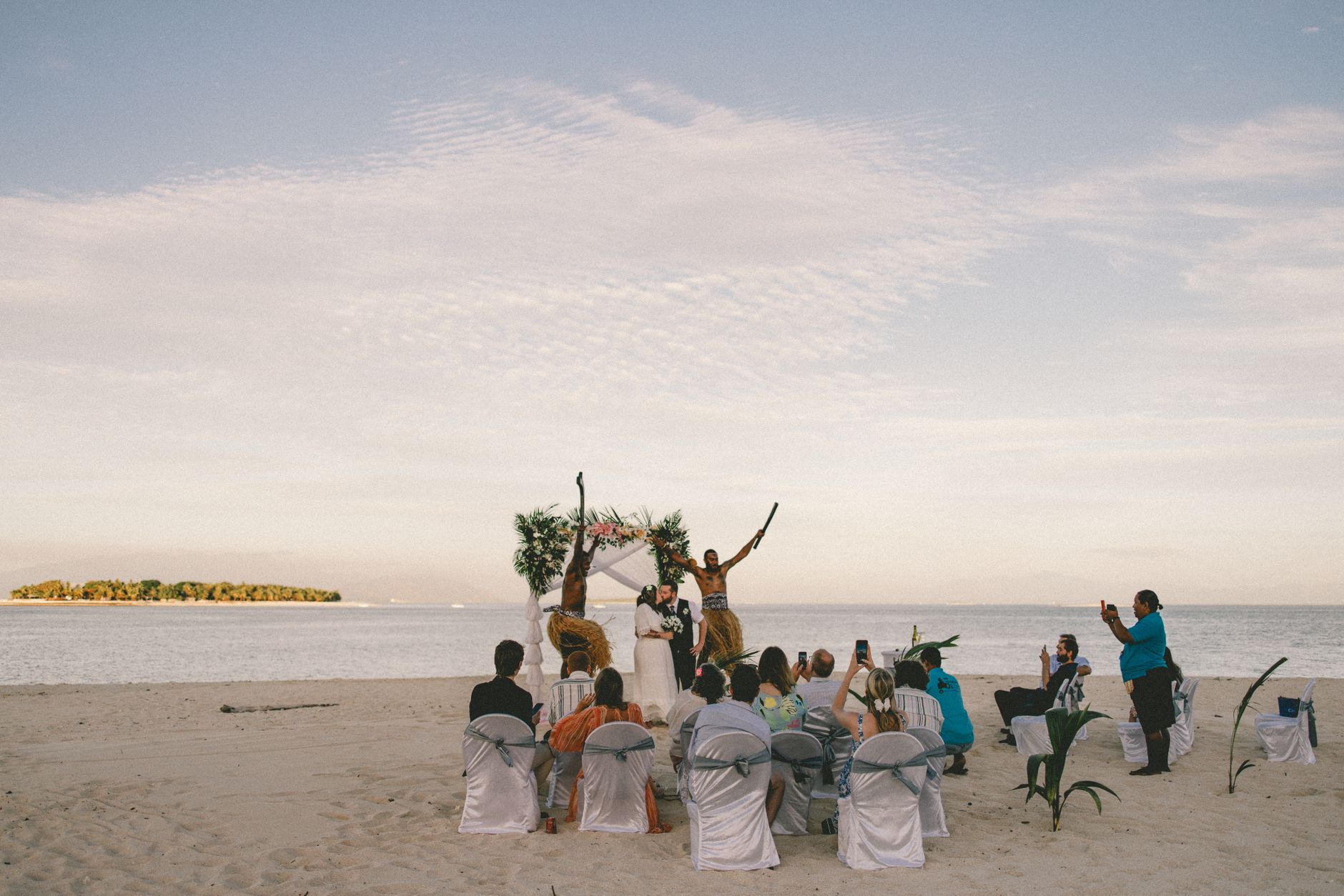
Daviqele Beach curves along the southern exposure of Kadavu, where the island's volcanic spine slopes down to meet the Pacific in a series of black-rock promontories and sand pockets. You arrive on foot, following a path worn smooth by decades of bare feet, past taro patches and breadfruit trees heavy with lumpy green fruit. The sand here is coarse-grained, salted with coral rubble and fragments of volcanic glass that catch the light like chips of obsidian, and it crunches beneath your heels with a satisfying grit. The village of Daviqele sits close enough that you hear the thwack of copra being split, the metallic clang of a pot against a cooking stone, the call-and-response of neighbors conducting business across garden fences. This proximity shapes the beach's characterβit's a working shoreline, where canoes are launched before sunrise and returned before the afternoon heat peaks, where laundry is spread on bushes to dry, where the distinction between public and private space blurs into a communal understanding you're invited to observe but not disrupt. The swimming is best at high tide, when the water covers the exposed reef flat and allows you to wade out to chest depth without navigating coral heads. The view south stretches uninterrupted to the horizon, where the Great Astrolabe Reef lies submerged, visible only as a pale green line where swells begin their final march toward shore. You sit on a driftwood log silvered by salt and sun, and watch the light change as clouds build inland, their shadows racing across the water like schools of enormous fish.
Places, rentals, tours and events within walking and driving distance of Daviqele Beach.
Photos
Daviqele Beach generally provides safe swimming conditions along Kadavu's south coast, though conditions vary with tides and weather. The sandy beach has a gradual entry suitable for families, but always check with locals about current conditions before swimming. Reef shoes protect against coral and sea urchins. No lifeguards are present, so supervise children carefully and avoid swimming alone. Respect local guidance about safe areas and seasonal variations. The village setting means community members can often provide advice about daily conditions.
Daviqele Beach is best visited during Fiji's dry season from May to October when weather is most predictable with calm seas and sunny days. This period offers the most comfortable conditions for beach activities and clearest water. However, Kadavu's south coast can experience different conditions than northern areas. The beach sees minimal tourist traffic year-round, so crowds aren't a concern. Budget travelers can visit anytime, but the wet season from November to April brings occasional heavy rains and rougher seas.
Reaching Daviqele Beach requires first getting to Kadavu Island via domestic flight from Nadi or Suva (45-60 minutes) or ferry service. From the main airport or wharf, you'll need to arrange ground transportation to Daviqele village on the south coast. Roads are basic and may require 4WD vehicles, especially during wet conditions. Coordinate transfers with your accommodation or local village contacts in advance. Some areas might require boat access depending on road conditions and your starting point on the island.
Accommodation at Daviqele Beach centers on village homestays and small guesthouses offering basic but genuine Fijian hospitality. Expect simple rooms with shared facilities and no luxury amenities. Meals are typically included, featuring traditional Fijian cooking with fresh fish, root vegetables like cassava and taro, and tropical fruits. No commercial restaurants or shops exist in the village, so bring necessary supplies from larger towns. Book through Kadavu tour operators or village contacts well in advance to ensure availability.
Daviqele Beach offers authentic village life on Kadavu's south coast, completely removed from resort development and branding. You'll experience genuine Fijian community culture, participating in village customs and daily life rather than packaged tourism experiences. The beach serves local families rather than tourists, providing real cultural immersion. This authentic character appeals to travelers seeking meaningful connections and traditional Fijian experiences. The absence of commercial tourism infrastructure means a more genuine, unfiltered perspective on island life in Fiji.