
Counting the wavesβ¦
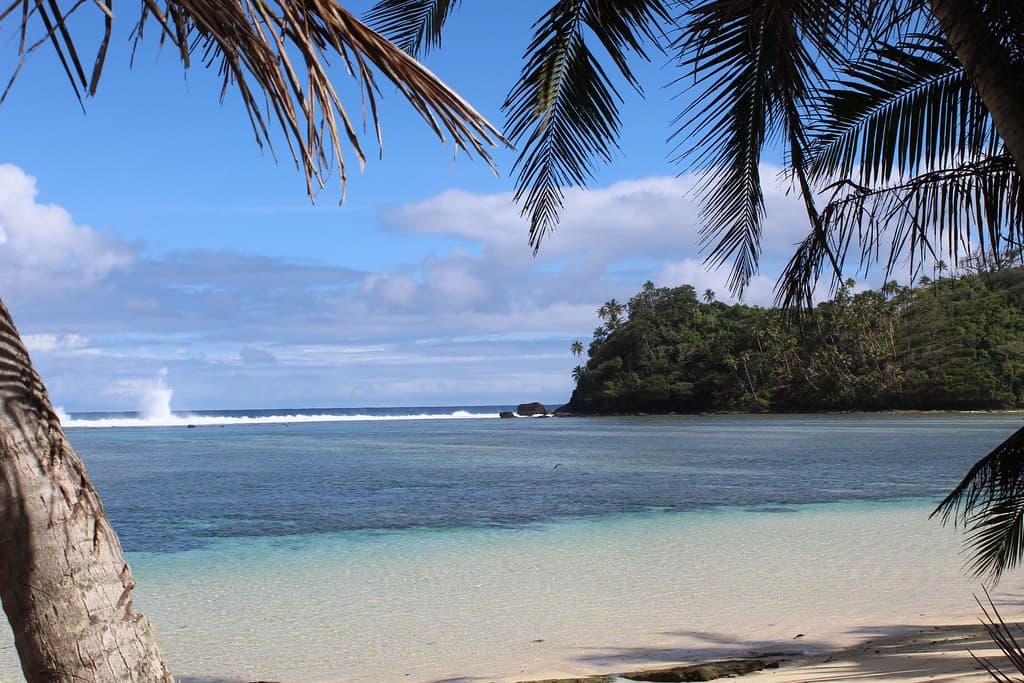
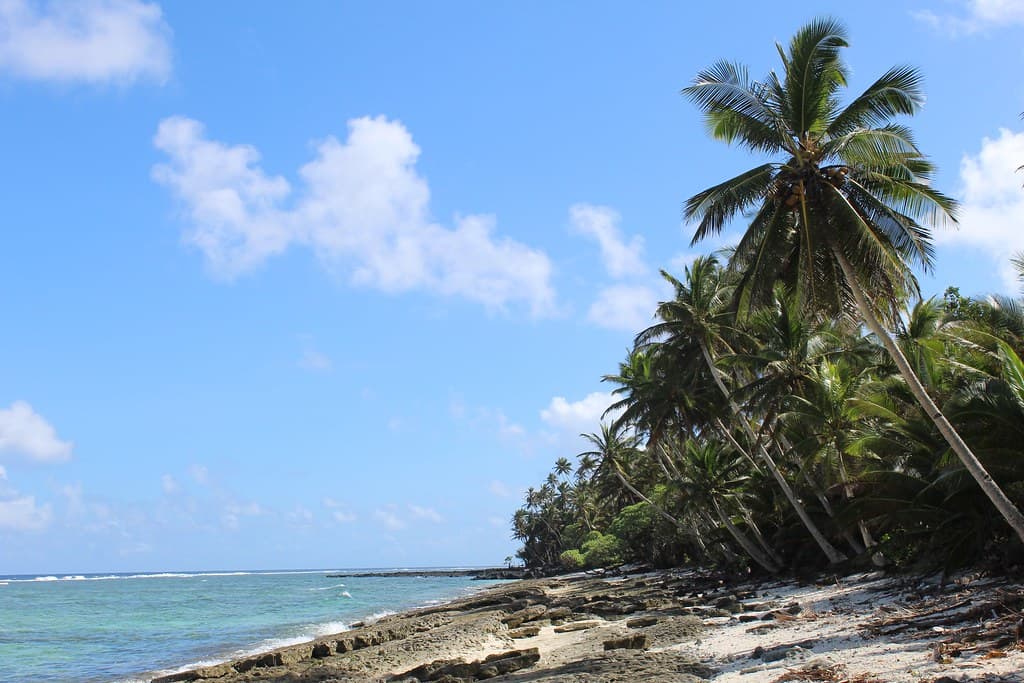
Pepjei Beach occupies a geological fold where ancient lava flows meet persistent southern swells. The bluffs rise steeply on both sides, their faces streaked with mineral deposits and clinging vegetation that somehow roots in vertical cracks. The beach itself runs narrow, disappearing entirely at spring tides when waves push against the cliff base and force you onto the rocks. The sand feels coarser than northern beaches, mixed with volcanic fragments that glitter when sunlight hits the black specks. Driftwood accumulates in impressive piles at the high-tide markβentire tree trunks stripped pale by salt and sun, polished smooth by tumbling waves. Local children use the wood piles as forts and kingdoms, their games continuing traditions older than anyone can date. Swimming requires reading the conditions carefully. The southern exposure means real surf energy, enough to create legitimate shore break on building swells. Rip currents develop along the rocky points, visible as darker channels where suspended sediment shows the water's outward flow. When conditions settle, the water clarity improves dramatically, and you can see boulders on the seabed worn round as dinosaur eggs. The beach empties completely by late afternoon, when shadows from the western bluff swallow the sand and the temperature drops noticeably.
Places, rentals, tours and events within walking and driving distance of Pepjei Beach.
Photos
Swimming safety at Pepjei Beach depends on weather and sea conditions, which can vary throughout the year. As a southern district beach on Rotuma, it may experience different wave patterns than the more sheltered north coast. The sandy beach typically offers gentle entry, but always observe the water before entering and ask locals about current conditions. There are no lifeguards or rescue services on Rotuma's remote beaches, so exercise caution and avoid swimming alone. Check weather forecasts and avoid the water during storms or high surf warnings.
Pepjei Beach naturally experiences minimal crowds year-round due to Rotuma's remote location and limited tourism infrastructure. For the absolute quietest experience, visit during the wet season shoulder months of April-May or November, though be prepared for occasional rain. The dry season from June to September offers better weather but is still uncrowded by typical beach destination standards. Weekdays are quieter than weekends when locals may visit. Rotuma receives very few tourists overall, so Pepjei's hidden southern location virtually guarantees solitude regardless of season.
Getting to Pepjei Beach involves the significant journey to Rotuma itself, followed by local travel to the southern district. Rotuma is accessible only by charter flight or cargo ship from mainland Fiji. Once on the island, Pepjei is located on the southern side, accessible via the island's limited road network by taxi or local transport. Roads may be unpaved in sections, and vehicle availability is limited. The journey from other Rotuma villages typically takes 20-45 minutes depending on conditions. Arrange transportation through your accommodation host in advance.
Pepjei Beach has no commercial restaurants or formal hotels due to its location in a small southern district community. Visitors should arrange homestays with local families, which typically include traditional meals prepared with local ingredients like fresh seafood, taro, cassava, and breadfruit. These arrangements must be made in advance through community contacts or Rotuma tourism coordinators. Bring any specialty food items or supplies from Fiji's main islands, as local stores carry only basics. The homestay experience offers authentic cultural immersion and home-cooked Rotuman cuisine in a family setting.
Pepjei Beach distinguishes itself as one of Rotuma's southern district beaches, offering a different coastal perspective from the more accessible north-coast settlements. Its hidden location means even fewer visitors than other Rotuma beaches, providing exceptional solitude and unspoiled scenery. The southern exposure may offer different views, wave conditions, and sunset angles compared to northern beaches. As a truly off-the-beaten-path destination, Pepjei rewards adventurous travelers seeking authentic remote island experiences away from any tourist infrastructure, with scenic beauty shaped by minimal human impact.