Counting the waves…
Counting the waves…
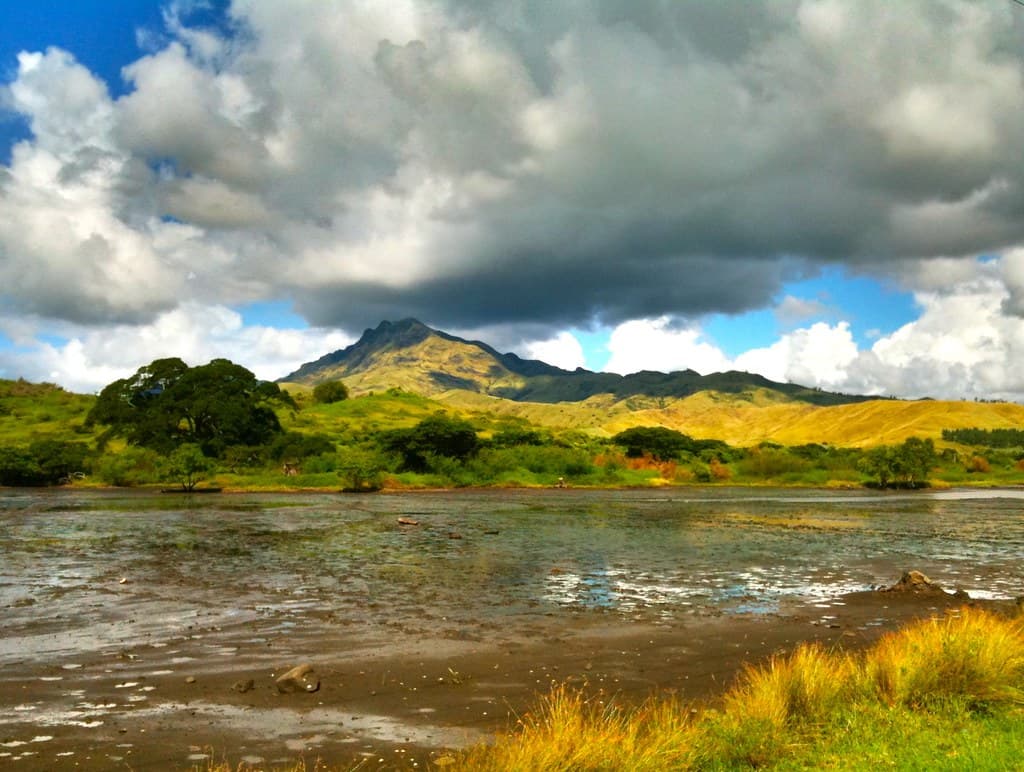
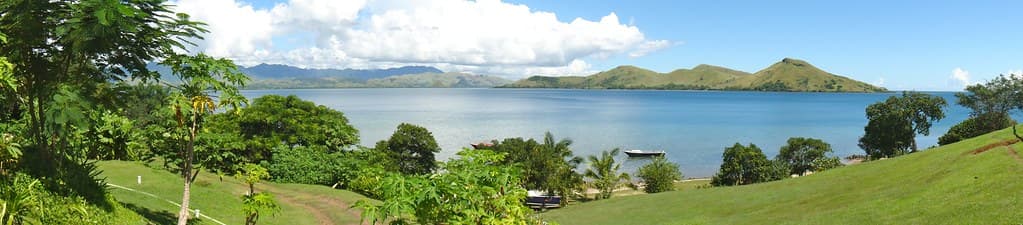
The cane trains rumble somewhere inland as you step onto Dama Beach, where the shore curves gently between two points of weathered lava rock. Coconut palms lean at odd angles, their trunks scarred by decades of cyclones, and the sand shifts from pale beige near the water to darker grains up where the grass begins. Fishing nets dry on wooden frames, their floats bobbing in the breeze. You'll notice the absence first—no resorts, no jet skis, no hawkers selling coconuts. The water slides in with barely a whisper, lapping at your ankles in rhythm with the trade winds. Hermit crabs negotiate the tide line, leaving delicate trails that vanish with each wave. In the late afternoon, the light turns the ocean from dull slate to burnished copper, and the silhouette of Viti Levu's interior mountains sharpens against the sky. Local families arrive on weekends, setting up impromptu picnics under the casuarina trees. Children wade in the shallows while their parents tend to pots of kokoda and cassava. The sunsets here don't announce themselves with fanfare—they simply happen, staining the clouds in shades of rust and lavender before the dark rolls in from the east.
Places, rentals, tours and events within walking and driving distance of Dama Beach.
Photos
Dama Beach is a sandy rural beach generally suitable for swimming, though conditions depend on tides and weather. As a local beach without lifeguards or formal safety services, visitors must assess conditions themselves and exercise caution. The sandy bottom is typically gentle, making it reasonably family-friendly under supervision. Always watch children closely and be mindful of changing tides and currents. Local residents can often provide current advice about conditions. Wearing reef shoes helps protect against occasional coral fragments or rocks. The beach's quiet nature means fewer eyes around in emergencies, so stay vigilant.
Visit Dama Beach during Fiji's dry season, May to October, for optimal weather with sunny days and minimal rain. This period offers the most comfortable conditions for sunbathing and beach activities. The beach is particularly beautiful at sunset, when the western sky lights up with vibrant colors—late afternoon visits are highly recommended. Because it's an understated local beach, crowds are rarely an issue any time of year. Weekdays tend to be quieter than weekends when local families may visit. Early mornings provide cooler temperatures and often the calmest water for swimming.
Dama Beach is located along the north coast of Viti Levu between Tavua and Rakiraki, accessible via the Kings Road that connects these towns. From either Rakiraki or Tavua, drive or take a taxi toward the coastal villages—local knowledge is essential as signage is minimal. The beach is in a rural area, so asking directions from residents is often necessary. Rental cars provide the most flexibility for exploring this remote shoreline. Some local buses travel the Kings Road, but you may need to walk to reach the actual beach. GPS coordinates can help, though roads may not be precisely mapped.
Dama Beach has virtually no tourist infrastructure, being a rural local beach. Accommodations and restaurants are found in Rakiraki or Tavua, the nearest towns on either side, typically requiring a 15-30 minute drive. These towns offer basic guesthouses, small hotels, and local eateries serving Fijian and Indo-Fijian cuisine at budget-friendly prices. For a beach visit, bring all necessary supplies including food, water, and sun protection. Some coastal resorts exist further along the northern coast where visitors might base themselves. Respecting local villages and customs is important when visiting this community area.
Dama Beach exemplifies the understated rural character of Fiji's less-traveled coastline, offering authenticity over tourist development. Its location between two towns rather than adjacent to either gives it a particularly remote, peaceful feel. The beach provides excellent sunset viewing thanks to its coastal orientation, with unobstructed western horizons. It's ideal for travelers seeking to experience traditional Fijian coastal life and enjoy natural beauty without crowds or commercialization. The sugarcane country backdrop and village proximity create a distinctly local atmosphere. It's perfect for those who prioritize solitude and cultural immersion over amenities and activities.