Counting the waves…
Counting the waves…

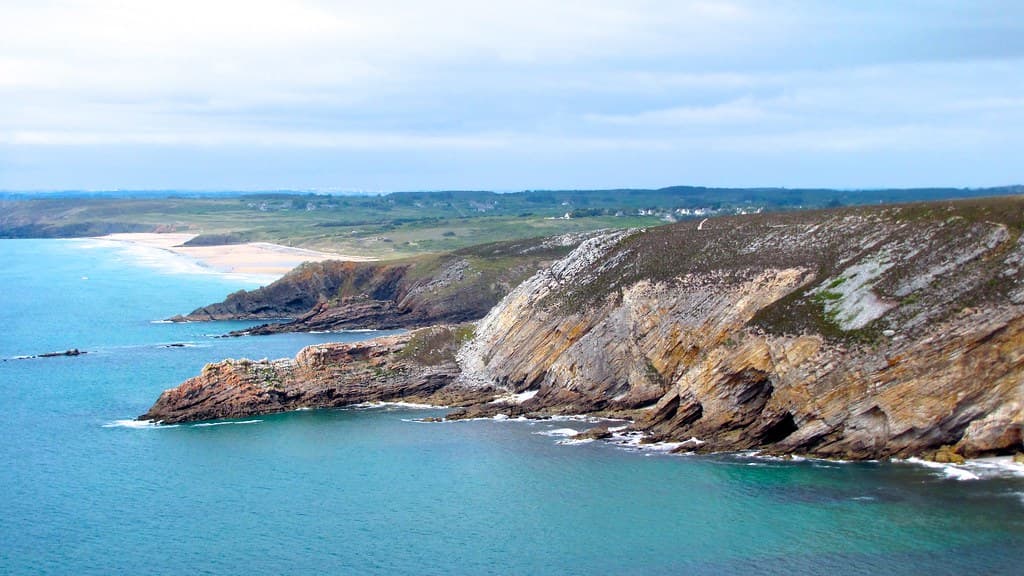
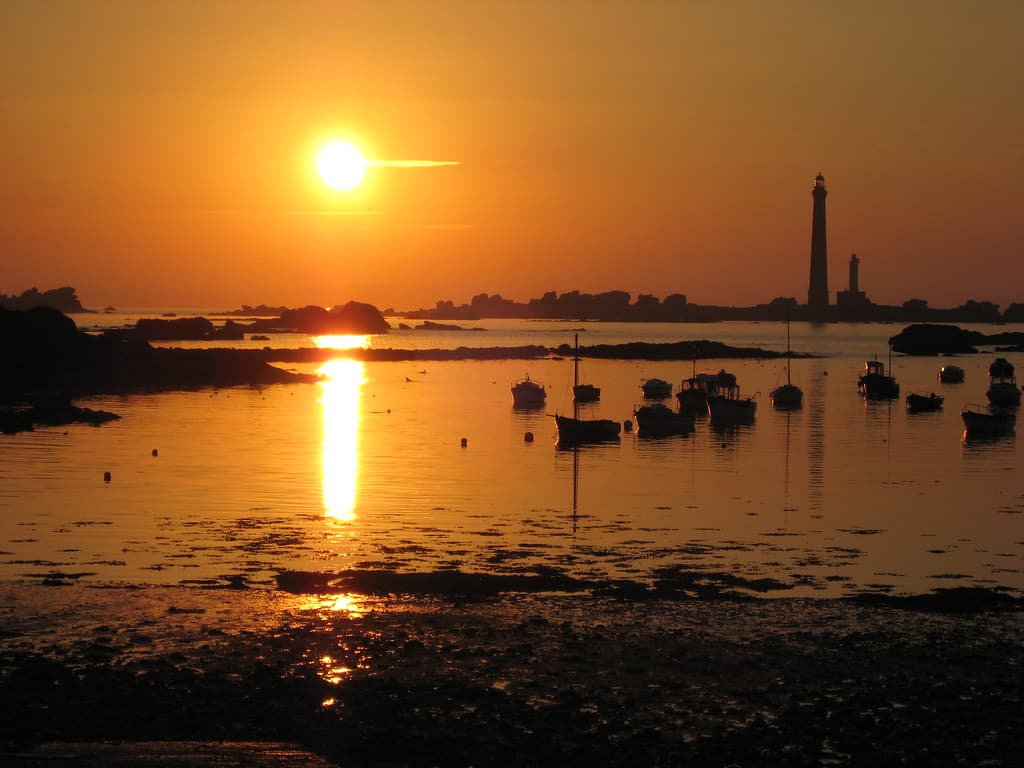
The beach curves in a gentle arc beneath stratified cliffs that blaze copper and ochre when the afternoon sun strikes them. Waves arrive in clean, repeating sets, curling over the sandbar before rushing up the slope in white froth that hisses against pebbles. Behind you, scrub and gorse cling to windswept hillsides; ahead, nothing but open ocean until you hit North America. Families stake out territory near the dunes where the sand stays soft and dry, while surfers paddle out to the break that builds over the outer bar. The beach empties at the northern end into a tumble of boulders, perfect for scrambling when the tide retreats. By late afternoon the sun hangs low over the water, painting the cliffs in gold and casting long shadows across the sand. You feel Brittany's raw edge here—this is not a beach for idle lounging but for walking, surfing, breathing deep. Seaweed lies in dark ribbons at the high-tide line. The wind carries the faint toll of a distant bell buoy. When the sun finally sinks into the Atlantic, the sky erupts in bands of crimson and violet, and you understand why locals guard this spot so fiercely.
Places, rentals, tours and events within walking and driving distance of Plage de Goulien.
Photos
Plage de Goulien experiences strong Atlantic swells and currents, making it more suitable for experienced swimmers and surfers than beginners. The beach is not supervised by lifeguards, so extra caution is necessary. Families with young children should stay close to shore and avoid swimming during high tide or rough conditions. Always check weather forecasts and tide times before visiting. The rocky areas can be slippery, so wear appropriate footwear. If you're unsure about conditions, it's best to enjoy the beach for walking and scenery rather than swimming.
Plage de Goulien can be visited year-round, with each season offering different experiences. Summer (June-August) provides warmest weather and longest days, ideal for families, though it's busiest then. Spring and autumn offer milder temperatures, fewer crowds, and dramatic scenery as storms roll in from the Atlantic. Winter attracts surfers seeking powerful swells and photographers capturing spectacular sunsets over the ocean. For surfing, autumn through spring typically offers the best waves. The west-facing location means stunning sunset views throughout the year, particularly magical during clear evenings.
Plage de Goulien is located on the western Crozon Peninsula, accessible primarily by car. From Crozon town, follow the D308 toward Goulien village, then take local roads leading to the beach. The route involves narrow rural roads typical of coastal Brittany. A small parking area is available near the beach access point, but spaces are limited, especially during summer. Arriving early in the day is recommended during peak season. The final approach may require a short walk down to the beach. Public transport options to this remote location are very limited.
Plage de Goulien is a natural, undeveloped beach with no facilities directly on-site. The small village of Goulien, less than a kilometre away, has very limited services. For restaurants, shops, and accommodations, head to Crozon town (approximately 8 kilometres away), which offers supermarkets, bakeries, restaurants, and various lodging options including hotels and vacation rentals. Camaret-sur-Mer, another nearby town, also provides dining and accommodation choices. Plan ahead by bringing food, water, and supplies, as you won't find beachside vendors or facilities at this remote, scenic location.
Plage de Goulien's west-facing position on the Crozon Peninsula exposes it directly to Atlantic swells, creating consistent and often powerful surf conditions. The beach attracts intermediate to advanced surfers seeking less crowded waves compared to more popular Brittany surf spots. The natural setting, surrounded by dramatic cliffs and rugged coastline, provides a wild, authentic surfing experience. Wave quality varies with tide and swell direction, so checking surf reports beforehand is essential. The remote location and lack of facilities mean it's ideal for surfers seeking adventure and natural beauty alongside quality waves.