Counting the waves…
Counting the waves…
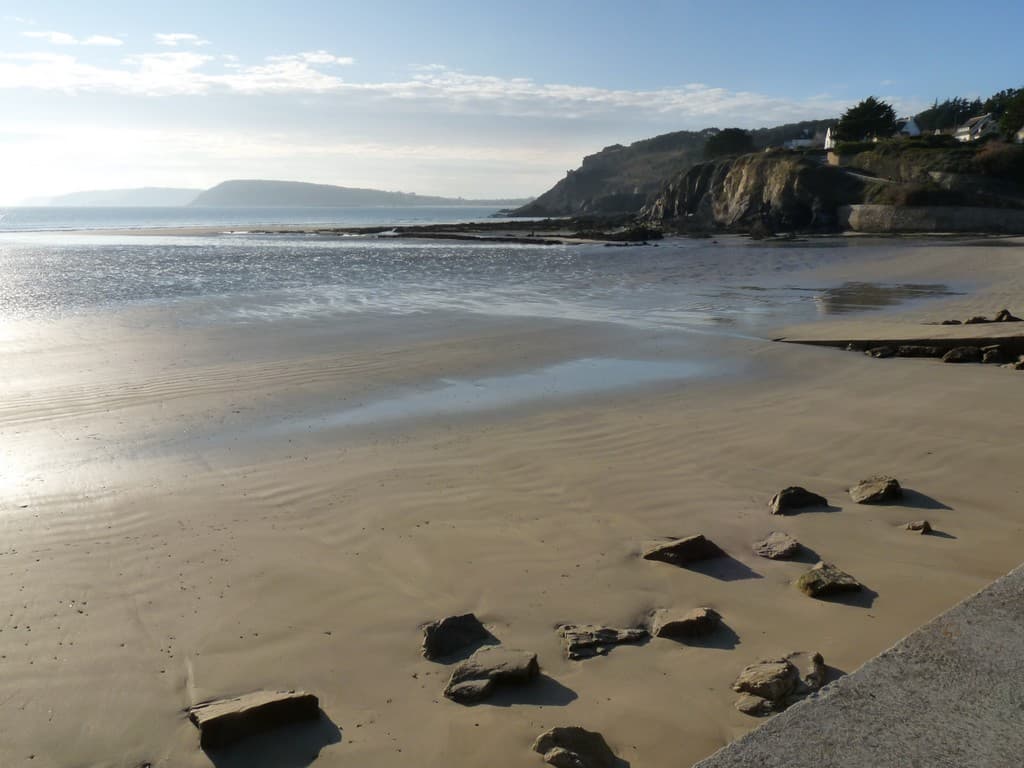
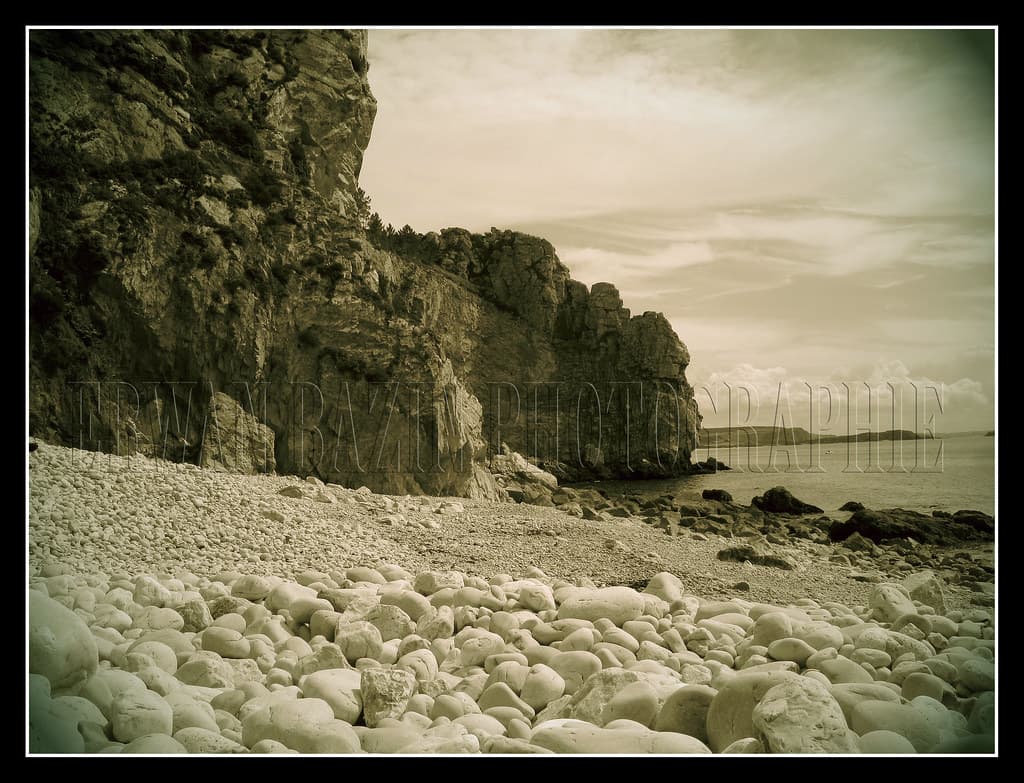
The approach to Plage du Poulmic winds through a corridor of Scots pine and maritime oak, branches filtering the Atlantic light into soft ribbons that dance across the gravel path. When the trees part, you're standing on a generous arc of fine sand—not the blinding white of the Mediterranean, but a warmer, buttery hue that catches the afternoon sun. The Brest Roads stretch east, a natural harbor where naval frigates once anchored and where, today, only the occasional yacht disturbs the glassy surface. At low tide, the beach reveals its true architecture: tide pools fringed with bladderwrack, pink granite boulders smoothed by centuries of salt water, clusters of mussels clinging to the rocks. Children crouch with nets, flipping stones in search of shore crabs. The water here warms faster than the open Atlantic beaches on the peninsula's western flank, making it a summer favorite for families who prefer waist-deep wading to the drama of surf. You'll notice the regulars—the retirees who park their Citroëns beneath the pines and unfold canvas chairs, the mothers who arrive just before the tide turns, beach bags heavy with towels and thermoses of hot chocolate. As evening settles, the westward view ignites: burnt orange bleeding into violet, the silhouette of the peninsula's ragged cliffs framing the moment. No beach bars, no umbrellas for rent—just sand, stone, and the rhythmic whisper of the Roads.
Places, rentals, tours and events within walking and driving distance of Plage du Poulmic.
Photos
Plage du Poulmic is generally considered a family-friendly beach with calm, sheltered waters thanks to its protected position along the Brest Roads. The gentle slope and shallow areas make it suitable for children, though conditions can vary with tides. There are no lifeguards on duty year-round, so supervision is essential. The beach is relatively small and peaceful, making it easier to watch children. Check local weather and tide conditions before swimming, as currents can strengthen during tidal changes. The sandy beach is clean and well-maintained by the commune.
Plage du Poulmic can be enjoyed year-round, with each season offering different appeal. Summer (July-August) brings warmer waters and the best swimming conditions, though it's busier with local families. Spring and autumn offer milder weather, fewer crowds, and pleasant beach walks. The beach is particularly renowned for stunning sunsets over the Brest Roads, making late afternoons ideal for photographers and romantic visitors. Winter visits appeal to those seeking solitude and dramatic coastal scenery. The Brittany coast is known for changeable weather, so pack layers regardless of season.
Plage du Poulmic is located in Lanvéoc, about 20 kilometers southwest of Brest. By car, follow signs to Lanvéoc and then to Poulmic beach. A small parking area is available directly adjacent to the beach, which is free but limited in capacity during peak summer periods. Arriving early in July and August is advisable. Public transportation options are limited; check local bus schedules from Brest or Crozon, though having a car provides the most convenient access to this relatively quiet beach on the Crozon Peninsula.
Plage du Poulmic is a natural, undeveloped beach with minimal on-site amenities. There are no restaurants, cafes, or facilities directly at the beach, so bring your own food, drinks, and beach equipment. Public toilets may be available seasonally. The nearby village of Lanvéoc, approximately 2 kilometers away, has basic shops and a few dining options. For more extensive services, restaurants, and accommodations, head to Crozon (10km) or Roscanvel. This beach suits visitors seeking tranquility and natural beauty rather than commercial beach resort amenities.
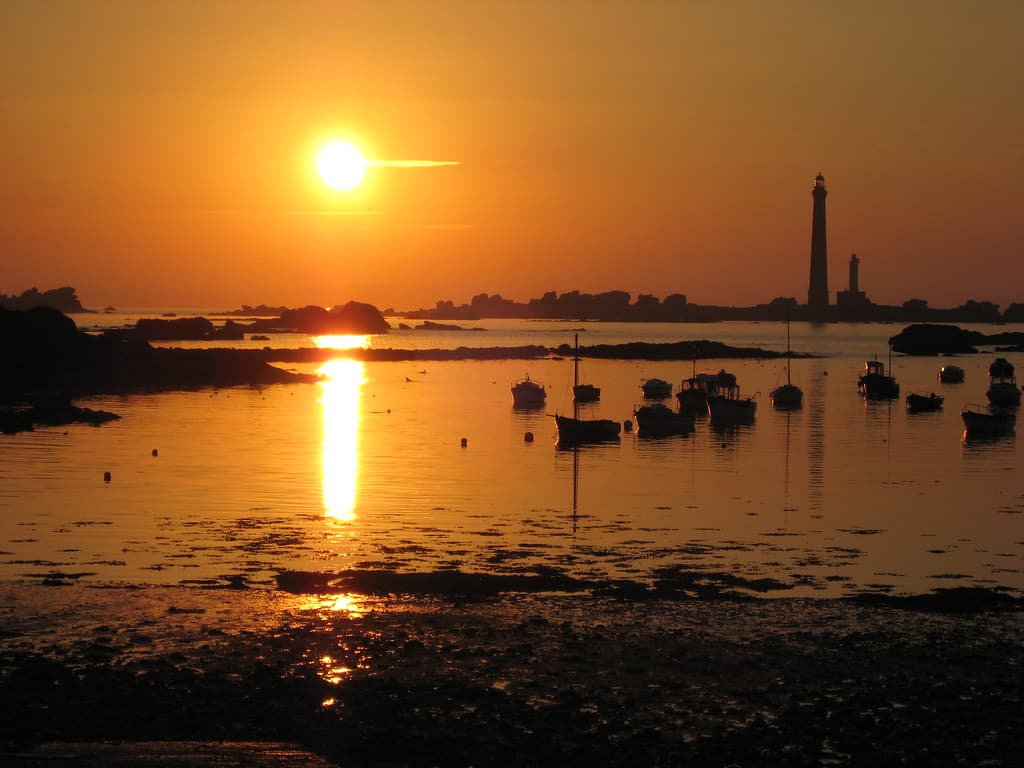
Plage du Poulmic offers exceptional sunset views across the Brest Roads (Rade de Brest), one of the world's most beautiful natural harbours. The beach faces west, providing unobstructed views as the sun sets over the water, often creating spectacular color displays reflecting off the bay. The silhouette of the Crozon Peninsula and distant headlands adds dramatic composition to sunset photographs. The sheltered location means calmer evenings compared to ocean-facing beaches. Many locals and visitors specifically time their beach visits for the golden hour, making it a romantic spot and popular with photographers throughout the year.