
Counting the waves…
Counting the waves…

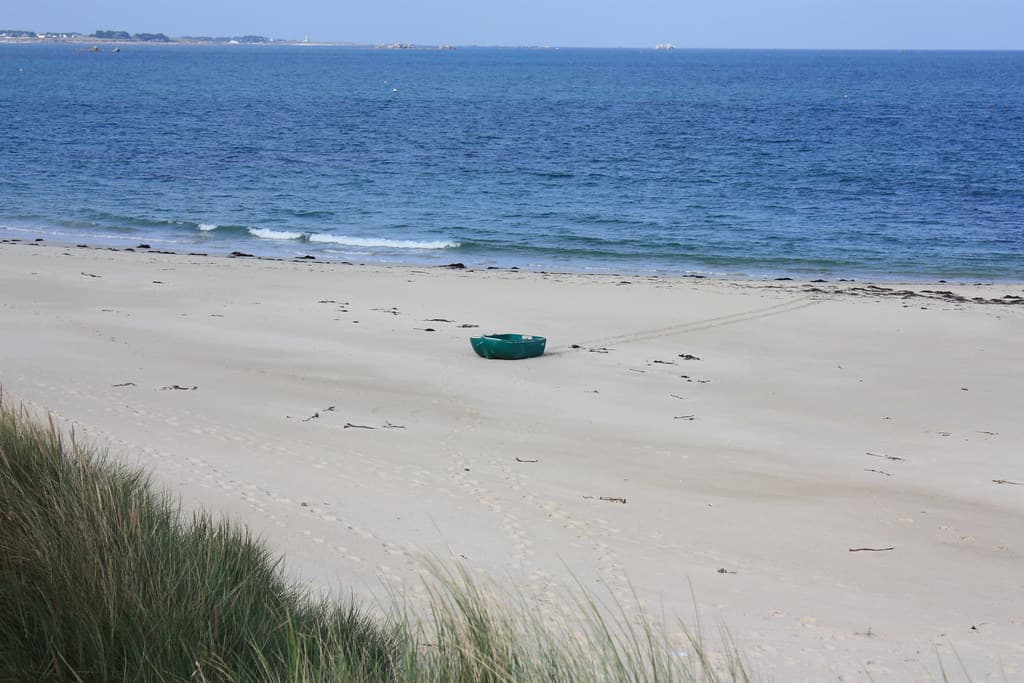
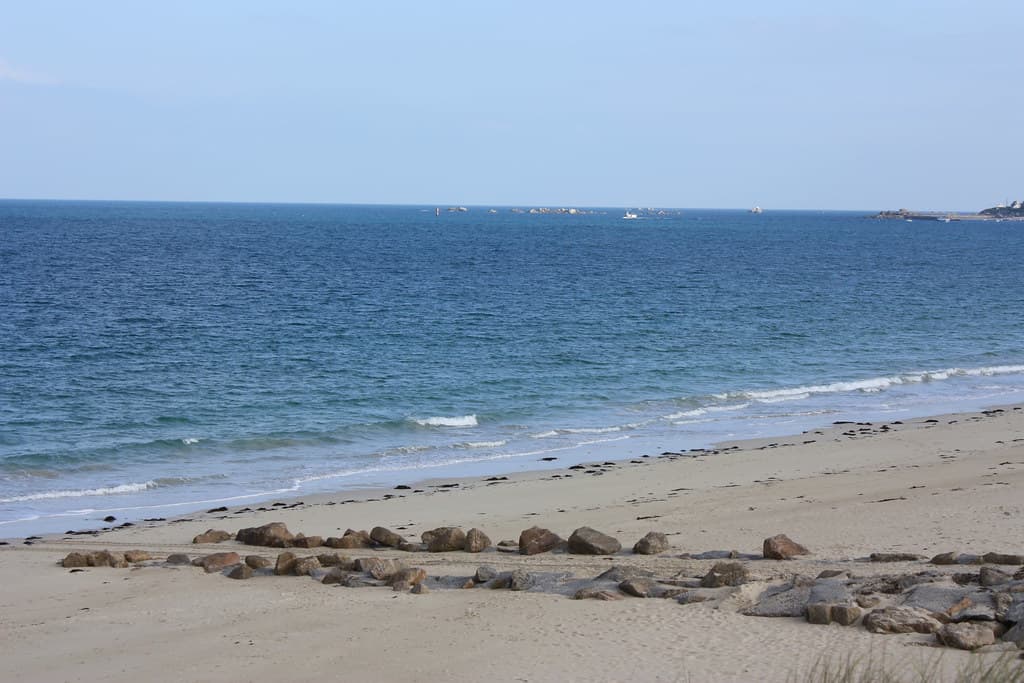
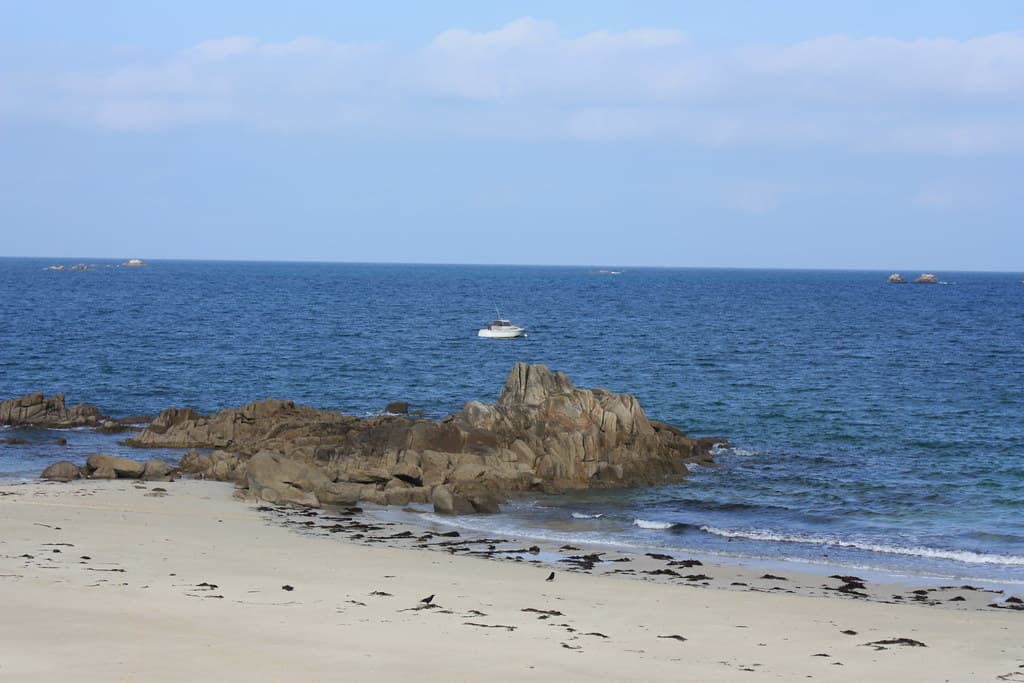
The path through the dunes opens onto a beach that seems to extend forever, its pale sand striped with tidal channels that gleam silver under scudding clouds. You feel the wind immediately—the same Atlantic gusts that have shaped this coastline for millennia, carrying the mineral tang of kelp and the faint sweetness of flowering oyster plants. Behind you, the Massif Dunaire de Keremma rises in undulating waves of sand and scrub, a protected landscape where rare orchids bloom between May and July. Families spread picnics in the shelter of reclaimed fishing boats hauled high on the beach, while kite-surfers harness the reliable westerlies that make this a year-round destination. At low tide, the beach doubles in width, revealing tide pools where shore crabs scuttle and hermit crabs trade shells. Children chase the retreating waterline, their footprints erased within minutes by incoming wavelets. As evening approaches, the light turns amber, casting long shadows across the ribbed sand and illuminating the Île de Batz lighthouse on the northern horizon. Local families arrive with thermoses and blankets, staking out their favorite dune hollows to watch the sun sink into the Atlantic. The wind drops slightly, and you hear the rhythmic percussion of waves meeting shore—a sound that has measured time here long before Plouescat's fishing boats first launched from these sands.
Places, rentals, tours and events within walking and driving distance of Plage de Keremma.
Photos
Plage de Keremma is a natural, unsupervised beach with variable conditions. The Atlantic waters can have strong currents and winds, particularly during high tide or stormy weather. Families should exercise caution and keep children close. The extensive sandy beach and dune system offer plenty of shallow areas for paddling at low tide. Always check local weather forecasts before visiting, avoid swimming alone, and be mindful of changing tides. The beach's remote nature means fewer lifeguards, so swimming is at your own risk.
Plage de Keremma is stunning year-round, with each season offering different appeal. Summer (June-August) brings warmest weather for swimming and sunbathing, though it's busier. Spring and autumn offer milder temperatures, fewer crowds, and excellent conditions for walking the dunes. Winter provides dramatic Atlantic storms and spectacular sunsets, popular with photographers and nature lovers. The beach faces west, making it ideal for sunset viewing any time of year. Low season visits offer peaceful solitude across this vast natural landscape.
Plage de Keremma is located near Plouescat in northwestern Finistère. By car from Brest, take the D788 north toward Lesneven, then follow signs to Plouescat and Keremma. Free parking is available at several access points along the coastal road near the dunes. The beach spans several kilometres, with multiple entry points. Public transport is limited in this rural area, so a car is recommended. From Plouescat town centre, it's roughly 3-4 kilometres to the main beach access points.
The immediate beach area is largely undeveloped, preserving its natural character. The nearby town of Plouescat, about 3 kilometres away, offers restaurants, crêperies, cafés, and grocery shops for picnic supplies. Accommodation options in Plouescat include hotels, vacation rentals, and campgrounds. Several campsites operate seasonally near the coast. For dining directly beachside, bring a picnic as facilities on the beach itself are minimal. The larger town of Lesneven, 20 kilometres south, provides additional dining and lodging options.
The Keremma dune system is one of Brittany's most significant coastal dune complexes, stretching over 3 kilometres and reaching heights of 20 metres. This protected natural area features unique coastal vegetation and serves as an important habitat for rare bird species and specialized plants. The dunes are part of a broader ecological conservation effort, with designated walking paths to prevent erosion. The vast, wild landscape offers dramatic scenery and relative seclusion even in summer, making it feel like an unspoiled corner of the Breton coast.