Counting the waves…
Counting the waves…
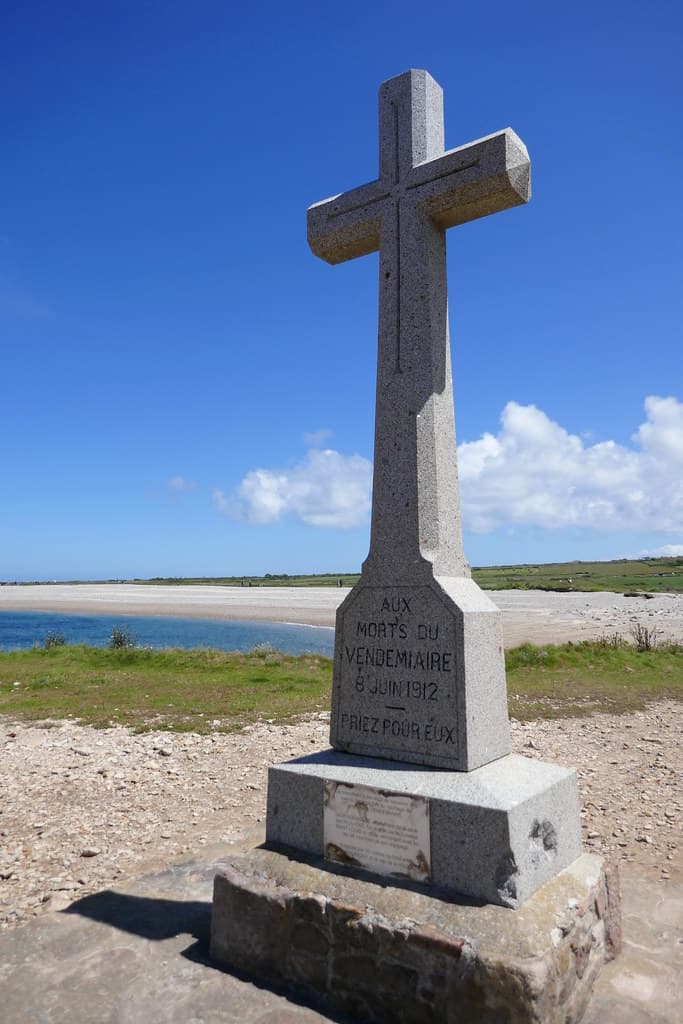
Plage de Porsmeur stretches nearly a mile along Plouescat's northern edge, a ribbon of sand that doubles in width when the tide pulls back. The beach faces northwest into the Manche, and at low water you can walk out past stranded fishing boats, their hulls streaked with rust and barnacles, toward sandbars that vanish twice a day. Marram grass anchors the dunes behind you, bending in the constant maritime wind, and the village sits close enough that you hear church bells at noon. Local families claim the same spots every summer—near the wooden posts that mark the high-tide line, close to the beach cabins painted in fading pastels. You spread your towel and the sand is coarse, mixed with crushed shell, nothing like the Caribbean. Children dig moats that fill and drain with the tidal rhythm. The water temperature hovers around fifteen degrees Celsius in summer, cold enough to make you gasp, warm enough to stay in if you keep moving. Sunset here is a ritual. The sky turns apricot and violet, silhouetting the rocky outcrops to the west, and couples walk the waterline as oystercatchers probe the sand. By July the beach stays light until nearly eleven, and you linger until the first stars appear over the Léon coast, salt drying on your arms, reluctant to leave.
Places, rentals, tours and events within walking and driving distance of Plage de Porsmeur.
Photos
Plage de Porsmeur is generally safe for swimming and popular with families, featuring calm, shallow waters ideal for children. The beach has lifeguard supervision during summer months (typically July-August). However, always check local tide times and weather conditions before swimming, as Brittany's Atlantic coast can experience strong currents and significant tidal changes. The beach offers a gentle slope and sandy bottom, making it accessible for most swimmers. Red/green flags indicate swimming safety daily during peak season. Outside summer, exercise caution and swim at your own risk.
Plage de Porsmeur is enjoyable year-round, though each season offers different experiences. July and August provide warmest weather (18-22°C) with full amenities and lifeguards, but expect larger crowds. June and September offer pleasant temperatures with fewer visitors. Spring and autumn are ideal for scenic walks and dramatic sunsets, though water is chilly. Winter attracts photographers and storm-watchers but requires warm clothing. The beach faces west, making it exceptional for sunset viewing throughout the year. Brittany weather can be unpredictable, so pack layers regardless of season.
Plage de Porsmeur is located in Plouescat town centre, making it easily accessible. By car, take the D10 road through Plouescat and follow signs to 'Plage de Porsmeur.' Free parking is available directly adjacent to the beach, though spaces fill quickly in July-August—arrive before 11am during peak season. The beach is within walking distance from Plouescat town centre (5-10 minutes). If using public transport, regional buses serve Plouescat from Morlaix and Brest, then it's a short walk to the beach.
Plage de Porsmeur benefits from its urban location with amenities within walking distance. The beachfront has public toilets and showers available during summer. Plouescat town centre offers several restaurants, crêperies, bakeries, and a weekly market (Saturday mornings). Beach bars and cafés operate seasonally near the sand. Accommodation options include hotels, vacation rentals, and nearby campsites within 1-2km. A small supermarket in town provides picnic supplies. For more extensive dining and shopping, the larger town of Roscoff is approximately 15km east along the coast.
Plage de Porsmeur experiences dramatic tidal ranges typical of Brittany's north coast, with differences of up to 8-9 metres between high and low tide. At low tide, the beach expands dramatically, revealing vast stretches of sand and rock pools perfect for exploring marine life and collecting shells. The receding water creates striking patterns in the sand, making it popular with photographers. High tide transforms it into a smaller, more intimate beach. Always consult local tide tables before visiting, as the beach appearance changes completely throughout the day, affecting activities and accessibility.