Counting the waves…
Counting the waves…

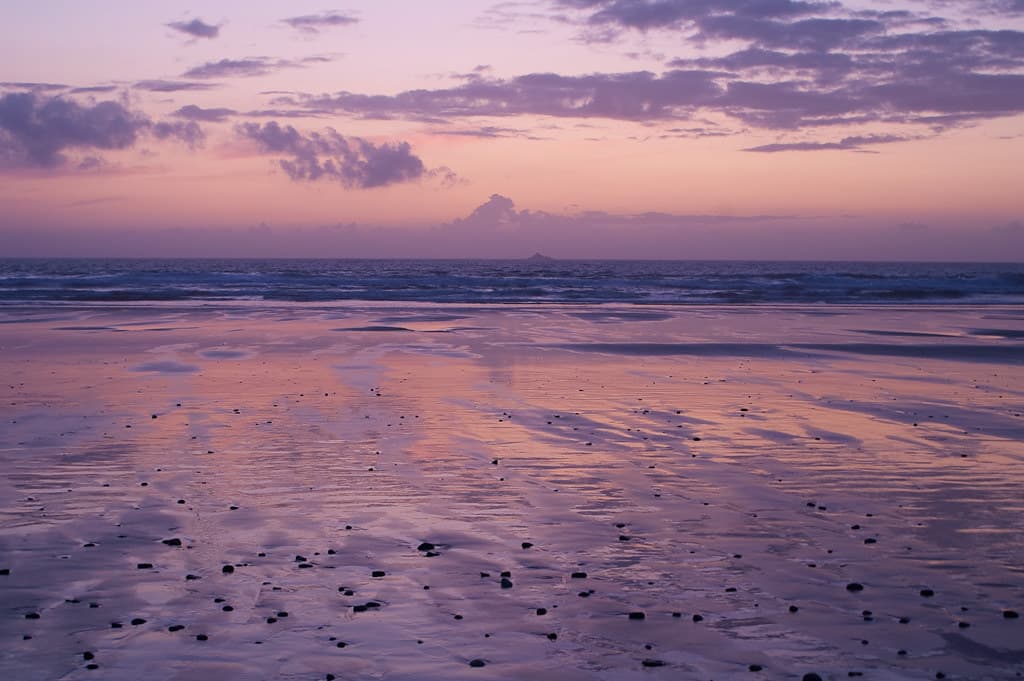
The approach descends through hedgerows of blackthorn and gorse, the lane so tight that wing mirrors fold back against stone walls. At the bottom, a horseshoe cove opens wide, its northern half soft sand giving way to a shingle bank where storm tides have piled smooth stones the size of baguettes. The western headland blocks the prevailing wind just enough that even on blustery September afternoons, you can spread a towel without chasing it across the strand. Waves peel left and right over a sandy bottom, forgiving enough for learners but shapely when a clean swell fills in. Local farmers once harvested kelp here for fertilizer; now wetsuited figures bob in the lineup where ox-carts used to wait. Between sets, you watch cormorants dry their wings on offshore rocks and fishing boats round the point toward Audierne harbor, white hulls bright against the charcoal cliffs. Sunset pulls the whole bay into shades of copper and slate. Families pack up coolers, surfers peel off neoprene in the gravel parking area, and the beach empties except for a few dog-walkers crossing the wet sand. The tide recedes to expose tide pools in the northern rocks, and the lighthouse at Pointe du Raz blinks on in the dusk, twelve kilometers west across open water.
Places, rentals, tours and events within walking and driving distance of Plage du Loc'h.
Photos
Plage du Loc'h is primarily a surf beach with strong Atlantic currents and waves, making it challenging for casual swimmers. The beach is unsupervised, so swim at your own risk and check conditions before entering the water. Strong undertows and rip currents are common, particularly during high tide and windy conditions. The beach is better suited for experienced surfers than families with young children looking to swim. Always respect warning flags if posted, stay close to shore if you're not a confident swimmer, and never swim alone.
Plage du Loc'h can be visited year-round, with each season offering different appeal. Summer (June-August) provides the warmest weather and calmer conditions, ideal for families and beach activities. Spring and autumn offer fewer crowds and consistent surf conditions. Winter attracts serious surfers seeking bigger swells, though weather can be harsh. The beach faces west, making it spectacular for sunset viewing throughout the year. For surfing, autumn and winter typically bring the best waves, while July-August are best for general beach enjoyment and milder Atlantic conditions.
Plage du Loc'h is located near Primelin in the Cap Sizun area of Finistère, approximately 35 kilometers west of Douarnenez. By car, follow the D784 and local signs toward Primelin, then follow beach signage. A small parking area is available near the beach access point, though spaces can be limited during summer peak season and good surf days. The beach requires a short walk down from the parking area. Public transport to this remote Cap Sizun location is very limited, so having your own vehicle is highly recommended for visiting.
Plage du Loc'h is a natural, undeveloped beach with no on-site facilities, restaurants, or shops. The nearby village of Primelin, just a few kilometers away, offers basic services including small shops and occasional seasonal dining options. For more extensive amenities, head to Audierne (about 10 kilometers away) or Douarnenez, which have supermarkets, restaurants, and various accommodation options including hotels and vacation rentals. Many visitors stay in Audierne or surrounding coastal villages and make Plage du Loc'h a day trip. Bring your own food, water, and beach supplies.
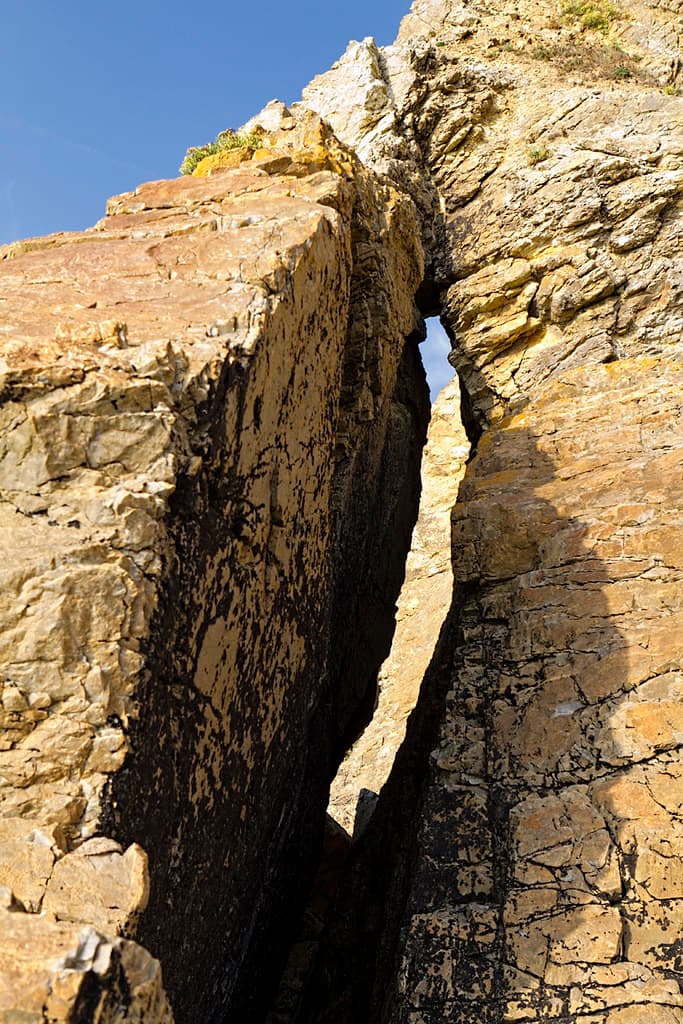
Plage du Loc'h is renowned as one of Cap Sizun's premier natural surf spots, offering powerful, consistent Atlantic swells due to its west-facing orientation. The beach features both beach breaks and reef breaks depending on tide and swell conditions, attracting experienced surfers seeking challenging waves. Its remote location means fewer crowds compared to more popular Brittany surf beaches. The dramatic coastal scenery, with rugged cliffs flanking the beach, adds to the experience. However, the strong currents and rocky areas make it more suitable for intermediate to advanced surfers rather than beginners.