Counting the waves…
Counting the waves…
A refined fusion of water purity, environmental stability, and communal vibrancy for Plage du Portel.
View MethodologyAnalyzed via live sensors and environmental data.
Wave height, wind, and atmospheric stability.
Live footfall and crowd balance metrics.
Community reviews and curated sentiment.
“You'll smell the diesel and brine before you see the trawlers tied to Le Portel's sea wall, their nets drying in the salt wind. This is the Côte d'Opale stripped of pretense—a real harbor town where families spread…”
Higher weekend density may affect water purity and crowd scores temporarily.
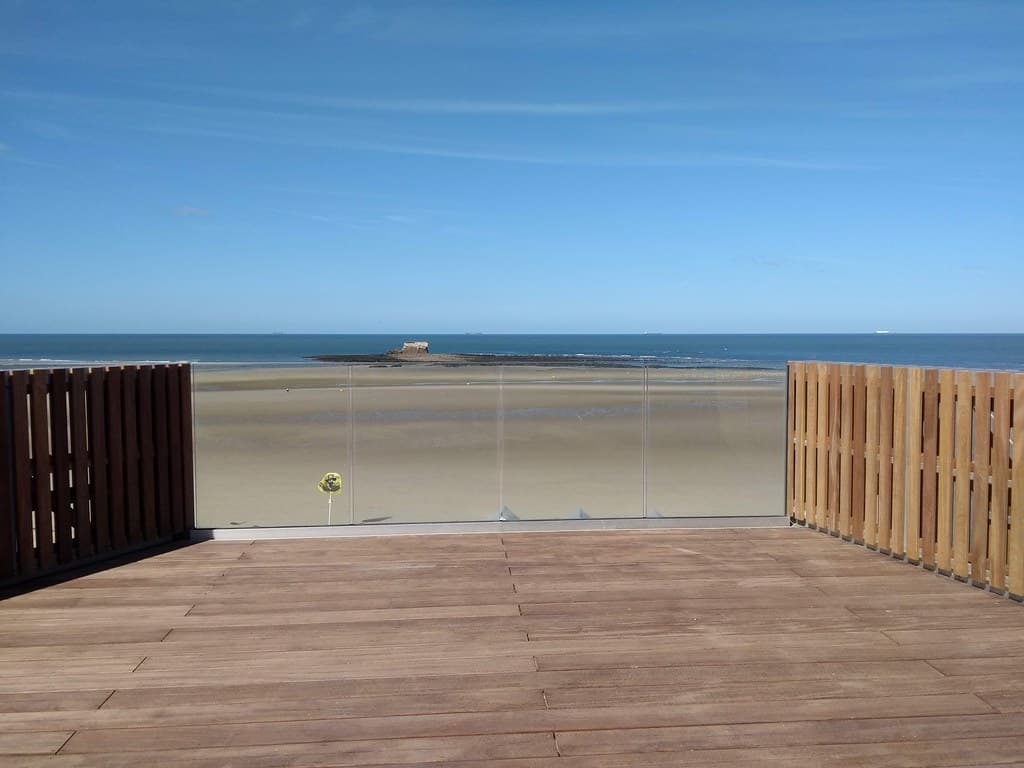
Le Portel doesn't bother with boardwalks or beach clubs. The town tumbles directly onto a wide pebble apron backed by the weathered pastel facades of fishermen's cottages and a modest promenade where locals walk terriers at dusk. To your south, Fort de l'Heurt clings to its limestone promontory, a Vauban sentinel that's guarded this slice of the Channel since the 1800s. The stones underfoot are surprisingly smooth—millennia of tidal grinding have rendered them almost oval, warm to the touch by midday, cool again as the sun drops behind Boulogne's silhouette to the north.
The beach widens dramatically at low tide, revealing rockpools stippled with mussels and barnacles that draw children with plastic buckets. Fishing boats nose into the small harbor at the southern end, their crews unloading crates of sole and mackerel that show up in the brasseries along Rue de la Mer within hours. The water stays brisk year-round—locals in neoprene booties wade in July without hesitation—but families come anyway, spreading windbreaks against the onshore breeze and picnicking on baguettes from the bakery two streets back.
 Credit: Unsplash
man wearing red shirt sitting on seashore
 Credit: Unsplash
a row of sheds
Ramparts frame dramatic cliff views
Morning catch sold dockside daily
Mussels and crabs between stones
Where it is
Plage du Portel
Le Portel, Pas-de-Calais, France
50.706200°, 1.575100°
Weather
Loading…
Swell
—
Temp
Warm · Restorative
UV Index
Moderate
Wind
—
Tidal State
Last known
Max Sunlight
—
Ideal Shade
—
May - Sep (Peak)
Jan - Dec (Off-season)
Historical data suggests peak visibility and stable sea temperatures occur during the prime visitation window.
Select a category to load nearby places.
Unlock restaurants, luxury stays and curated maritime experiences within 2km
Plage du Portel is generally safe for swimming during calm weather, with lifeguard supervision during summer months (typically July-August). The beach faces the English Channel, so conditions can vary significantly with tides and weather. Strong currents and waves are common, especially during high tide and windy periods. Always check the flag system before entering the water: green for safe, orange for caution, and red for no swimming. The beach slopes gently, making it suitable for families during calm conditions, but supervision of children is essential given the Channel's unpredictable nature.
Plage du Portel is accessible year-round, with each season offering different experiences. Summer (June-September) brings the warmest weather, averaging 18-22°C, ideal for swimming and sunbathing, though it can be busy with locals. Spring and autumn offer pleasant temperatures (12-18°C) with fewer crowds, perfect for coastal walks. Winter is quieter and cooler (5-10°C) but excellent for dramatic seascapes and storm-watching. The beach is particularly stunning at sunset throughout the year. Being on the northern French coast, expect some rain and wind regardless of season, so pack layers.
Plage du Portel is easily accessible from Boulogne-sur-Mer, located just 3km south. By car, follow the D940 coastal road with clear signage to Le Portel. Free and paid parking areas are available along Boulevard Sainte-Beuve and near the beachfront, though spaces fill quickly on summer weekends. By public transport, take bus line 3 from Boulogne-sur-Mer's train station toward Le Portel-Plage; the journey takes approximately 15 minutes. The beach is also reachable by bicycle via coastal paths, and on foot along the scenic clifftop walk from Boulogne.
Le Portel offers authentic French coastal dining and accommodation options. The beachfront promenade features several casual restaurants and cafes serving fresh seafood, moules-frites, and regional specialties, with many offering sea views. You'll find traditional brasseries, creperies, and local bakeries within walking distance of the beach. Accommodation ranges from small hotels and guesthouses to vacation rentals, generally more affordable than nearby Boulogne-sur-Mer. Beach amenities include public toilets and seasonal beach huts. The town maintains a genuine working-port atmosphere rather than a resort feel, appealing to those seeking authentic French coastal life.
Fort de l'Heurt, the historic 19th-century fortress visible offshore from Plage du Portel, is one of the beach's most distinctive features. The fort sits on a rocky outcrop accessible on foot during very low tides via a natural causeway, but this requires careful timing and awareness of tide schedules—the return window is limited and tides come in quickly. The fort itself is not open to the public, but walking near it offers excellent photo opportunities and a unique perspective. Check local tide tables before attempting the walk, and never venture out if weather conditions are poor or you're uncertain about tide timings.
Photos