Counting the waves…
Counting the waves…
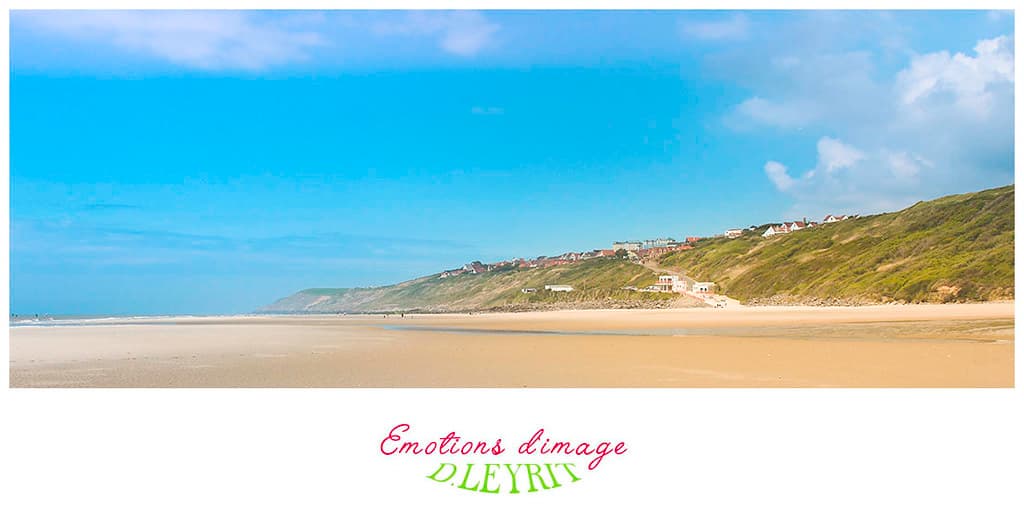
The beach cabins at Équihen aren't the pastel changing rooms you see down the coast—they're actual dwellings, some more than a century old, built by fishermen who wanted to sleep as close to their boats as the tide would allow. You'll walk past gardens planted in driftwood boxes, laundry snapping in the salt wind, and shutters painted in fading blues and greens. The beach itself stretches wide at low tide, exposing ribbed sandbars that pool with seawater and reflect the sky. When the wind picks up—and it will—you'll understand why kites fill the air above the promenade. The offshore breeze is steady, the sand hard-packed enough for sand-yachting when conditions align. Locals bring their dogs here at dusk, letting them chase gulls along the waterline while the sun drops behind the cliffs to the south. You won't find beach clubs or jet-ski rentals; instead, there's a simplicity to the rhythm here, dictated by tide tables and weather forecasts. The village behind the dunes is small, a handful of streets with a bakery, a seafood stall, and a restaurant or two serving moules-frites. But the beach is the point. It faces west into the Channel, unobstructed, with nothing between you and the horizon but cargo ships passing in the distance and the occasional sail. Come for the light, stay for the quiet.
Places, rentals, tours and events within walking and driving distance of Plage d'Équihen.
Photos
Plage d'Équihen is generally safe for swimming during calm weather, but the Opal Coast experiences strong tides and currents typical of the English Channel. Always check tide times and local warnings before entering the water. Supervised swimming areas are marked during summer months. The beach has a mix of sand and pebbles, with rocky areas exposed at low tide. It's advisable to wear water shoes and stay within designated zones. Families with children should remain especially vigilant, as water depth can change quickly with tidal movements.
Plage d'Équihen offers year-round appeal depending on your preferences. Summer (July-August) brings warmer weather around 18-22°C, ideal for swimming and beach activities, though it can be breezy. Spring and autumn provide quieter visits with dramatic skies perfect for photography and coastal walks. Winter attracts storm watchers and those seeking solitude. The beach faces west, making it exceptional for sunset viewing throughout the year. For the best combination of mild weather and fewer crowds, visit May-June or September when temperatures remain pleasant.
Plage d'Équihen is located 5km south of Boulogne-sur-Mer in Pas-de-Calais. By car, take the D940 coastal road and follow signs to Équihen-Plage; free parking is available near the beach access points along Avenue de la Plage and surrounding streets. The nearest train station is Boulogne-Ville, approximately 15 minutes away by car or taxi. Local buses connect Boulogne to Équihen-Plage during summer months. Parking is usually easy to find except on peak summer weekends. The village is small and walkable once parked.
Équihen-Plage offers several seafood restaurants and crêperies within walking distance of the beach, many specializing in fresh local fish. The village has small grocery shops for picnic supplies. Accommodation includes vacation rentals, chambres d'hôtes (B&Bs), and a few small hotels, providing a quieter alternative to nearby Boulogne-sur-Mer. For more dining variety and shopping, Boulogne is just 10 minutes away. The beachfront has seasonal cafés open during warmer months. Book accommodation in advance for summer visits, as this intimate destination has limited lodging capacity.
Plage d'Équihen is famous for its historic upturned boat houses (cabanes de pêcheurs), traditional fishermen's dwellings created from old wooden fishing boats cut in half and turned upside down. Dating back over a century, these unique structures were originally practical housing for fishing families. Several restored examples still line the beach and village, serving as distinctive landmarks and photo opportunities. This architectural heritage makes Équihen-Plage culturally significant along the Opal Coast. Some are private residences, while others can be admired from public paths during coastal walks.