Counting the waves…
Counting the waves…
A refined fusion of water purity, environmental stability, and communal vibrancy for Plage d'Écault.
View MethodologyAnalyzed via live sensors and environmental data.
Wave height, wind, and atmospheric stability.
Live footfall and crowd balance metrics.
Community reviews and curated sentiment.
“You park beside a wartime blockhouse, cross a footbridge over marram-fringed dunes, and suddenly the beach opens wide—empty sand ribbed by tides, gulls riding crosswinds, and a horizon unbroken except for distant…”
Limited recent visitor reports — live OBI telemetry is your best guide for current conditions.
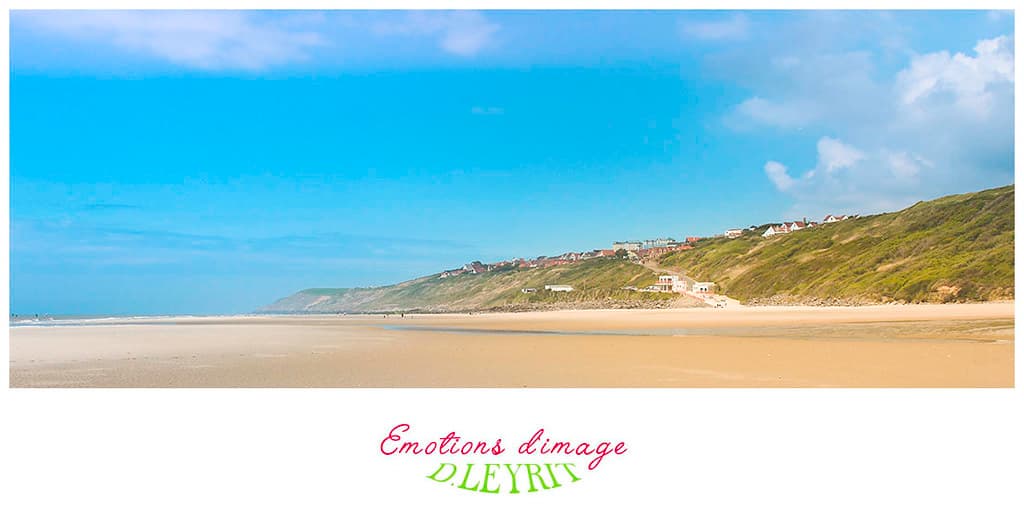
Écault doesn't announce itself. The D940 winds through Saint-Étienne-au-Mont's farmland, past a small parking area where concrete remnants of the Atlantic Wall stand silent against the sky. A wooden walkway threads through dunes thick with sea buckthorn and couch grass, their rustling the only soundtrack until you crest the ridge and the beach unfurls—broad, tawny, and almost always yours.
The sand here is firm and darkens where the tide retreats twice daily, leaving shallow lagoons that mirror clouds racing in from England. Families come for space their children can disappear into safely; runners leave long trails of footprints; dogs unleashed become joyful blurs against the surf. At low tide, the beach stretches so wide you lose perspective, the North Sea reduced to a silver thread on the horizon. Come evening, the westward slant of the coast catches the last light, turning wet sand copper and silhouetting the wind turbines offshore.
 Credit: Unsplash
man wearing red shirt sitting on seashore
 Credit: Unsplash
a row of sheds
Protected paths through marram grass
WWII concrete against North Sea
Low-tide flats stretch 200 meters
Where it is
Plage d'Écault
Saint-Étienne-au-Mont, Pas-de-Calais, France
50.657000°, 1.553500°
Weather
Loading…
Swell
—
Temp
Warm · Restorative
UV Index
Moderate
Wind
—
Tidal State
Last known
Max Sunlight
—
Ideal Shade
—
May - Sep (Peak)
Jan - Dec (Off-season)
Historical data suggests peak visibility and stable sea temperatures occur during the prime visitation window.
Select a category to load nearby places.
Unlock restaurants, luxury stays and curated maritime experiences within 2km
Plage d'Écault is part of the Opal Coast, where swimming conditions vary significantly with tides and weather. The beach is unguarded, so swimmers should exercise caution and check tide times before entering the water. Strong currents and sudden drop-offs can occur, particularly during high tide. The beach is more suitable for paddling and beach walks than serious swimming. Always supervise children closely near the water's edge, and avoid swimming during rough seas or when red flags are displayed at nearby supervised beaches.
Plage d'Écault is accessible year-round, with each season offering distinct appeal. Summer (June-August) brings warmer weather, though the northern French coast remains cooler than Mediterranean beaches. Spring and autumn offer fewer crowds and dramatic coastal scenery, ideal for walks among the dunes. Winter visits can be atmospheric but expect strong winds. The beach faces west, making it excellent for sunset viewing throughout the year. Low tide reveals the widest stretches of sand, perfect for beach combing and exploring tidal pools.
Plage d'Écault is located in Saint-Étienne-au-Mont, approximately 5 kilometers north of Boulogne-sur-Mer. By car, follow the D940 coastal road and look for signposted beach access points. Free parking is available near the beach access paths, though spaces can fill quickly during summer weekends. The beach is not directly served by public transport, but buses run to Saint-Étienne-au-Mont village, requiring a 15-20 minute walk to the shore. The access involves walking through protected dunes on marked paths.
Plage d'Écault is relatively undeveloped, with limited facilities directly on the beach itself. The nearby village of Saint-Étienne-au-Mont offers some cafés and small shops within a short drive. For wider dining and accommodation options, Boulogne-sur-Mer (5km south) provides hotels, restaurants, and supermarkets. Many visitors bring picnics to enjoy on the beach. A few vacation rentals and guesthouses are available in the immediate area, offering quieter alternatives to staying in Boulogne-sur-Mer. Plan to bring essentials as beach amenities are minimal.
Yes, Plage d'Écault is dog-friendly year-round, making it popular with local dog walkers. Unlike many French beaches that restrict dogs during summer months, this beach typically allows dogs without seasonal limitations, though regulations can change so verify locally. The expansive dunes and long sandy stretches provide excellent space for dogs to exercise off-lead, though owners should respect wildlife protection areas within the dunes. Remember to bring waste bags and keep dogs under control near nesting birds during spring breeding season.
Photos